
Luke
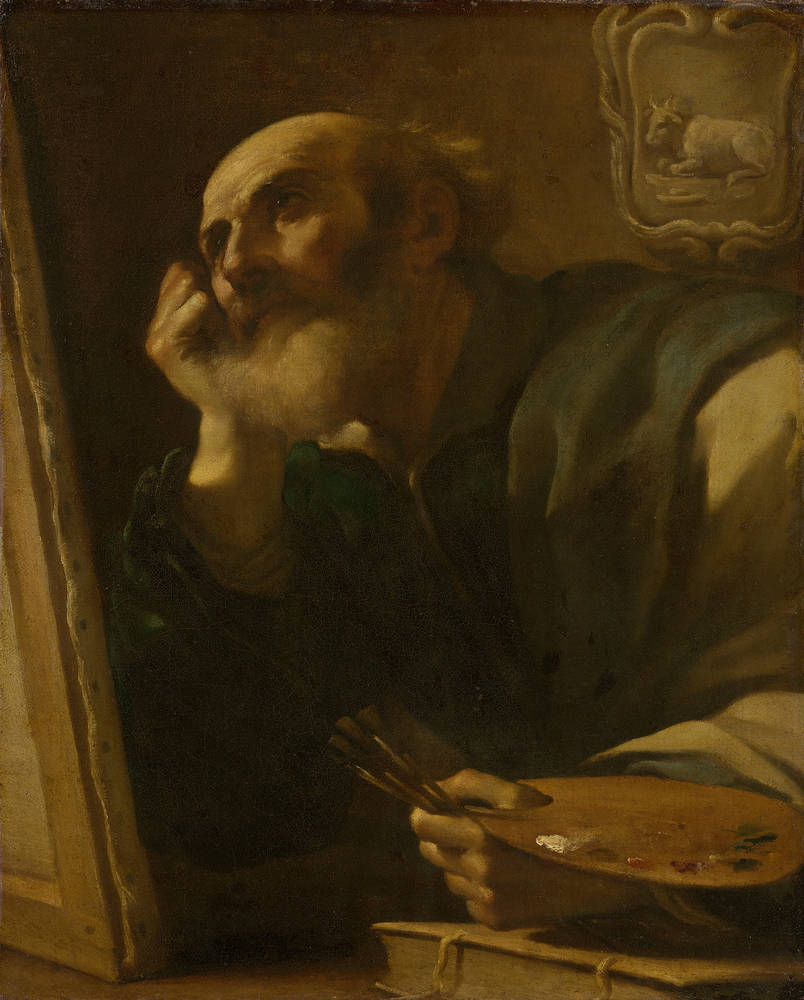
He wrote more of the New Testament than anyone – Luke and Acts together outweigh even Paul’s letters – yet he never once names himself. His presence is a pronoun: at Troas the narrative of Acts quietly shifts from “they” to “we” (Acts 16:10), and the “we” passages track him sailing to Philippi, rejoining Paul years later, shipwrecked on Malta, and walking into Rome. Paul supplies the identity the historian withheld: “Luke the beloved physician greets you” (Colossians 4:14) – a Gentile, by the grouping of that greeting list, making him very likely the Bible’s only non-Jewish author.
His preface is the ancient world’s finest statement of sacred method: “having followed all things closely for some time past, to write an orderly account… that you may have certainty” (Luke 1:1-4). The two years Paul spent imprisoned at Caesarea gave Luke the historian his field season in the land of eyewitnesses – and his Gospel is correspondingly rich in what only close listening recovers: Mary’s songs, the shepherds, Zacchaeus, the Emmaus road, and more women, meals, and prayers than any other evangelist. His special love is the outsider welcomed: Samaritans, tax collectors, the poor, the prodigal.
The last word on him belongs to his friend, writing from the final prison with the ink running low: “Luke alone is with me” (2 Timothy 4:11). The careful historian stayed for the ending, and then, tradition says, kept writing until old age. Every Christmas reading and half the parables the world knows by heart arrive through his pen.
In the New Testament
- The “we” passages (Acts 16:10-17; 20:5-21:18; 27:1-28:16)
- The beloved physician and fellow worker (Colossians 4:14; Philemon 24)
- “Luke alone is with me” (2 Timothy 4:11)
- His books: the Gospel of Luke; the Acts of the Apostles
Key Locations
- Troas The Aegean port where Paul saw the Macedonian vision -- and where Eutychus fell from the window.
- Philippi The Roman colony in Macedonia -- Lydia, the jailer, the midnight hymns, and Paul's most joyful letter.
- Caesarea Maritima Herod's harbor city, Rome's capital in Judea -- home of Cornelius, Philip, and Paul's two-year imprisonment.
- Malta The island where the shipwreck survivors wintered, the viper failed, and the sick were healed.
- Rome The capital of the empire -- Paul's destination, his prison, and the "Babylon" from which Peter wrote.