
Philippi
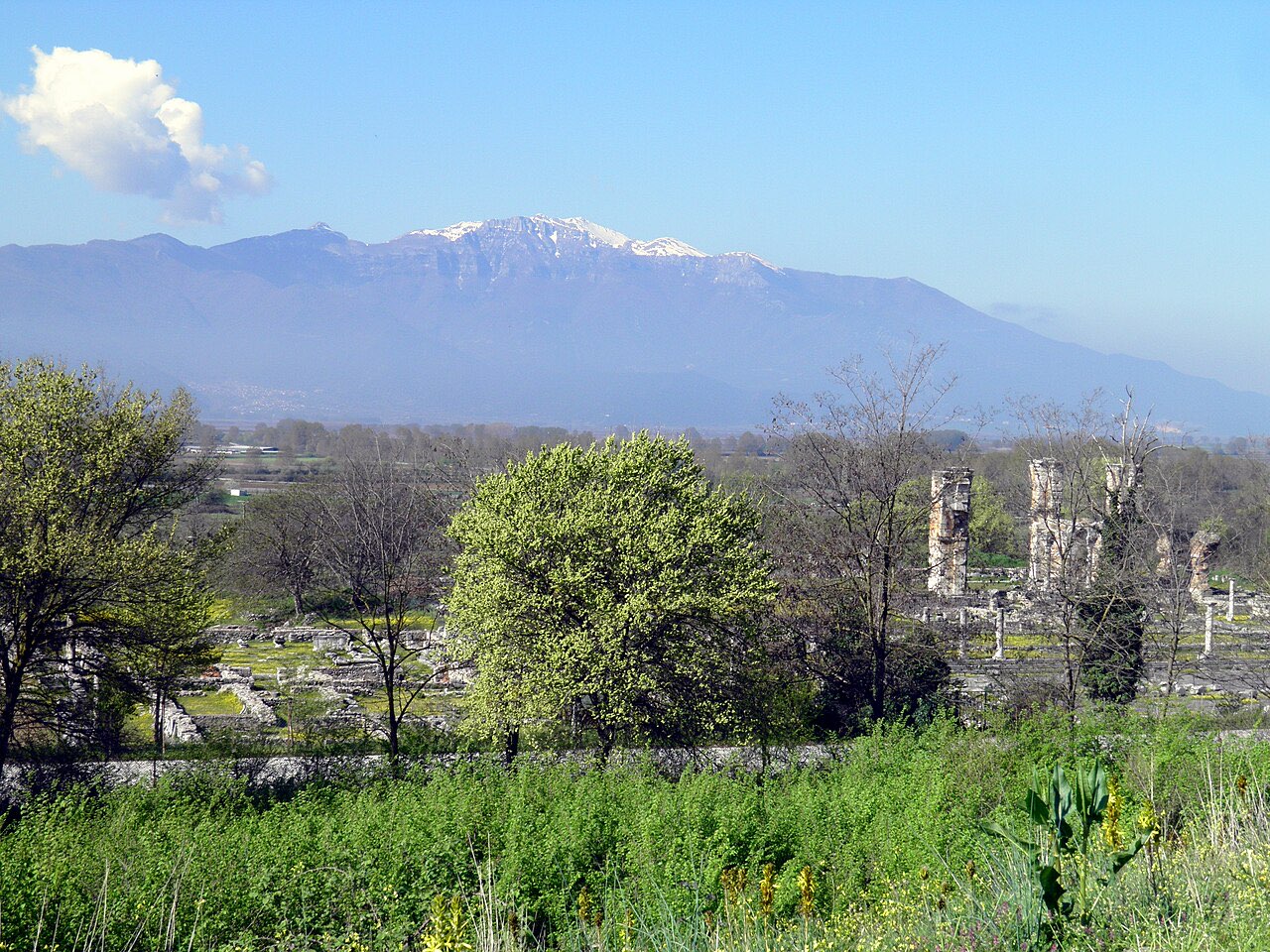
Philippi was Rome in miniature: a colony of army veterans on the Via Egnatia, proud of its Latin ways and its citizenship – Luke calls it “a leading city of the district of Macedonia” (Acts 16:12). Here the gospel first took root on European soil, and its first three converts could not have been more different: Lydia, a wealthy dealer in purple cloth whose heart the Lord opened at a riverside prayer meeting; a slave girl freed from a spirit of divination; and a Roman jailer.
The jailer’s story carries the chapter (Acts 16:16-40). Beaten and fastened in the stocks, Paul and Silas prayed and sang hymns at midnight “and the prisoners were listening” – until the earthquake, the flung-open doors, and the question every evangelist dreams of: “Sirs, what must I do to be saved?” “Believe in the Lord Jesus, and you will be saved, you and your household.” The magistrates who had beaten Roman citizens without trial got a memorable lesson in due process the next morning.
The church born that night became Paul’s favorite: his partners “from the first day,” the only congregation he let support him financially (Philippians 1:5; 4:15-16). He wrote to them from prison the most joyful letter in the New Testament – “Rejoice in the Lord always” – with its great hymn of Christ, who emptied himself and was exalted (Philippians 2:5-11), addressed to a colony of citizens who needed reminding that “our citizenship is in heaven” (Philippians 3:20).
In the New Testament
- Lydia, the slave girl, and the jailer (Acts 16:11-40)
- Paul revisits Macedonia (Acts 20:1-6)
- The letter to the Philippians
- Their partnership in giving (Philippians 4:15-18; 2 Corinthians 8:1-5)