
Malta
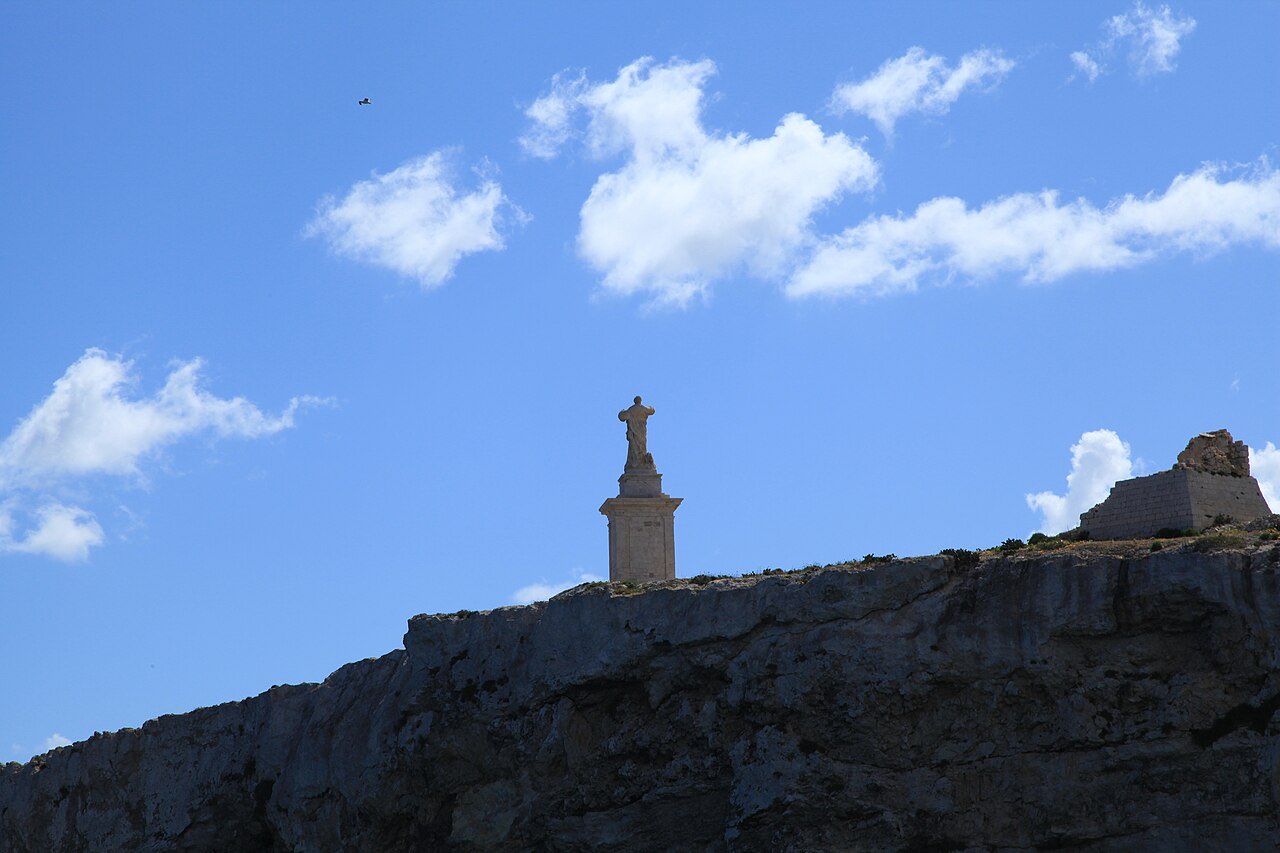
“After we were brought safely through, we then learned that the island was called Malta” (Acts 28:1). Two hundred seventy-six soaked survivors crawled ashore on the small island south of Sicily – Melita to the ancients – and met “unusual kindness”: the islanders kindled a fire in the rain and took the castaways in.
Malta gave Luke two of his most vivid vignettes. A viper, driven out by the fire’s heat, fastened on Paul’s hand; the islanders waited for him to swell up and die, concluded he must be a murderer pursued by Justice, then – when nothing happened – swung to the opposite verdict and “said that he was a god” (Acts 28:3-6). And Publius, the island’s chief official, hosted the party while Paul healed his fever-stricken father, after which “the rest of the people on the island who had diseases also came and were cured” (Acts 28:7-10). Three months of winter hospitality ended with the survivors honored and supplied for the final leg to Rome aboard an Alexandrian ship with the Twin Gods for a figurehead.
Malta has counted itself Christian ever since, tracing its faith to that shipwreck; St. Paul’s Bay and its statue-crowned islet keep the traditional landfall.
In the New Testament
- Shipwrecked on Malta; the viper (Acts 28:1-6)
- Publius’ father healed; the island’s sick cured (Acts 28:7-10)
- Three months’ winter, then on to Rome (Acts 28:11-14)