
Caesarea Maritima
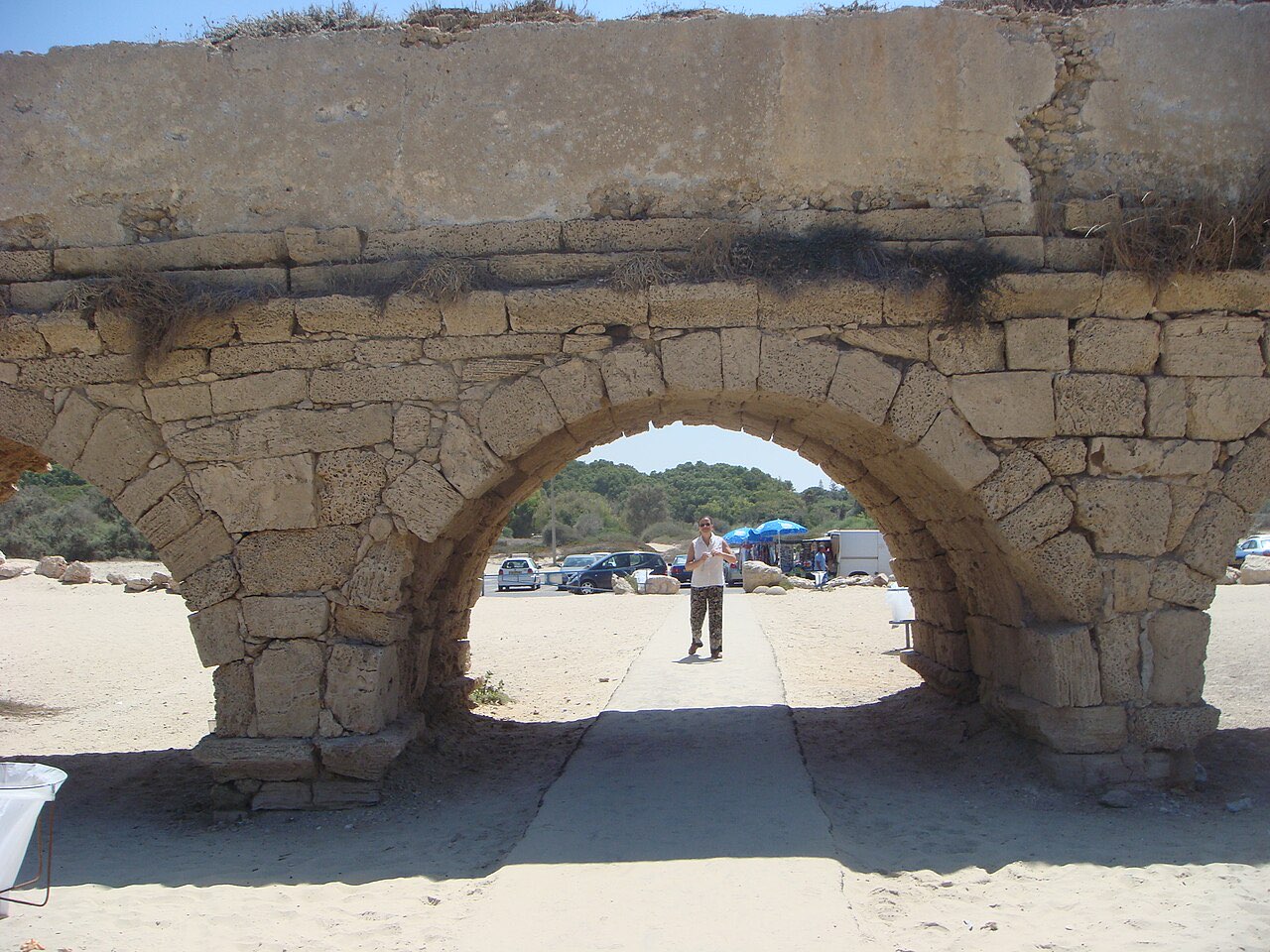
Caesarea Maritima was Herod the Great’s showpiece: a deep-water harbor built from nothing with hydraulic concrete, a temple to Rome and Augustus overlooking it, a theater, a hippodrome, an aqueduct – a thoroughly Roman city on the Judean coast, named for the emperor. After Judea became a province it was the governors’ capital; Pilate lived here, and a stone bearing his name was found in its theater.
Acts keeps returning to Caesarea. Philip the evangelist settled here with his four prophesying daughters (Acts 8:40; 21:8-9). Here the centurion Cornelius prayed, and Peter – summoned from Joppa after his rooftop vision – preached to a Gentile household on whom the Spirit fell while he was still talking: “the Pentecost of the Gentile world” (Acts 10). Herod Agrippa I was struck down in its theater for accepting worship (Acts 12:19-23). And Paul knew the city from both sides of the law: sailing in and out on his journeys, then imprisoned two years in Herod’s praetorium, making his defense before Felix, Festus, and King Agrippa – “Almost thou persuadest me to be a Christian” – before sailing from this harbor in chains for Rome (Acts 23-26; 27:1-2).
The excavated theater, hippodrome, and harbor front make Caesarea one of Israel’s richest archaeological parks.
In the New Testament
- Philip settles in Caesarea (Acts 8:40; 21:8-9)
- Cornelius and Peter: the gospel to the Gentiles (Acts 10-11)
- The death of Herod Agrippa (Acts 12:19-23)
- Paul’s imprisonment and defenses (Acts 23:23-26:32)