
Troas
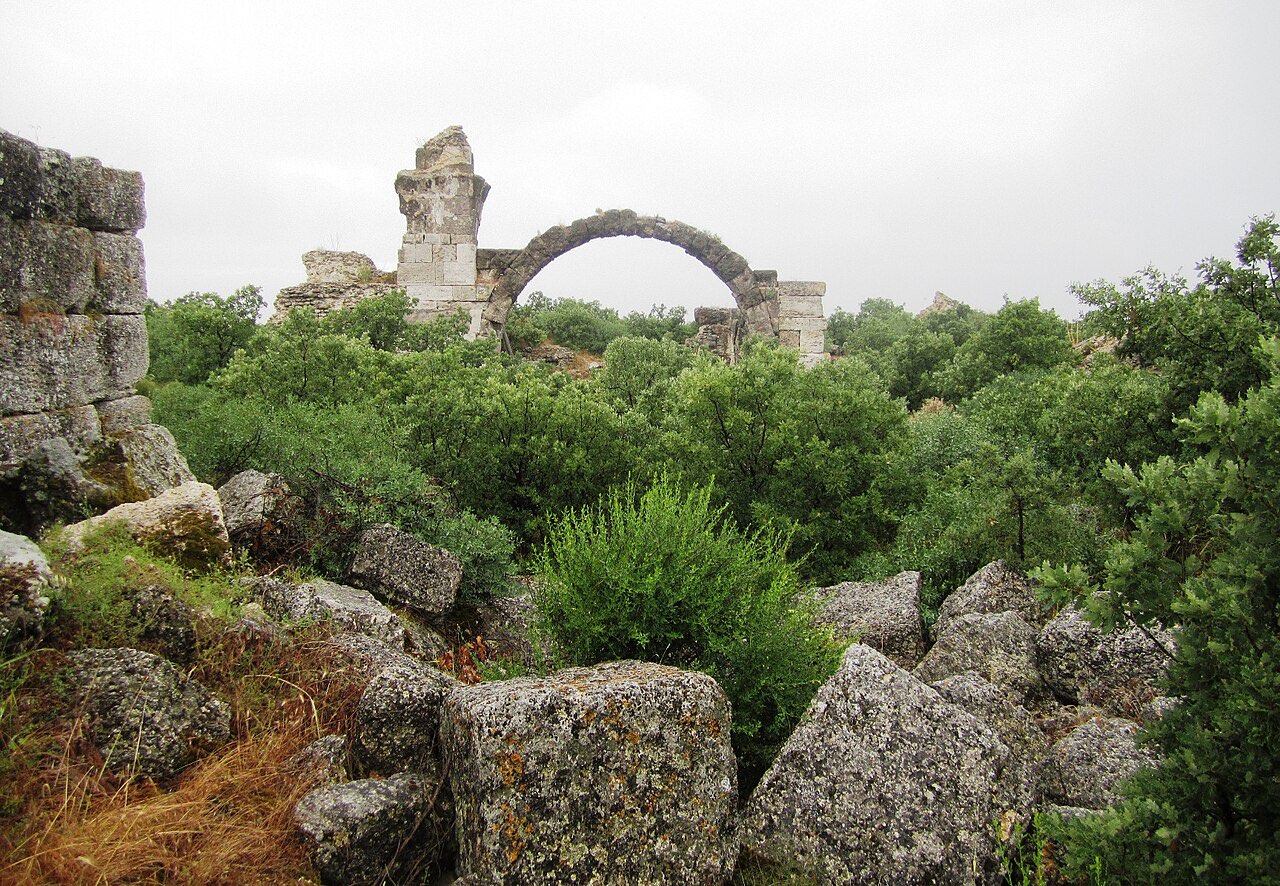
Alexandria Troas was a major Roman port on the Aegean, a few miles south of legendary Troy, and the natural jumping-off point from Asia to Europe. Paul arrived there on the second journey almost by elimination – “forbidden by the Holy Spirit to speak the word in Asia,” prevented from entering Bithynia – and at Troas, with the sea in front of him, the guidance finally turned positive: a vision in the night of a man of Macedonia, standing and pleading, “Come over to Macedonia and help us” (Acts 16:6-10). At Troas the “we” passages begin – Luke evidently joined the team here – and from its harbor the gospel sailed for Europe.
Paul came back on the third journey and found “a door opened for me in the Lord” (2 Corinthians 2:12), though anxiety for Titus drove him on. His last recorded visit gave the church one of its most human scenes: a packed upper room, lamps burning, Paul talking past midnight, and young Eutychus sinking into sleep on the windowsill – a three-story fall, taken up dead, and restored alive, after which they broke bread and Paul talked until dawn (Acts 20:6-12). And it was at Troas that Paul left the cloak and the parchments he asked Timothy to bring in his final letter (2 Timothy 4:13).
In the New Testament
- The Macedonian vision (Acts 16:8-11)
- An open door at Troas (2 Corinthians 2:12-13)
- Eutychus raised during the all-night meeting (Acts 20:6-12)
- The cloak and the books left with Carpus (2 Timothy 4:13)