
Week 29 Discussion Guide: Paul in Ephesus
Opening
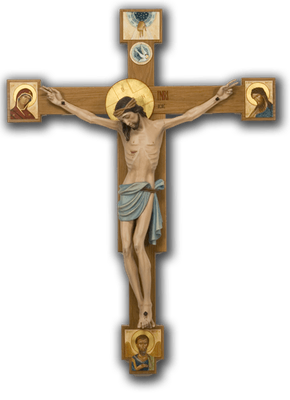
Begin by reading 1 Corinthians 1:18 together: “For the word of the cross is folly to those who are perishing, but to us who are being saved it is the power of God.” What does this verse mean to you personally? Has there been a time when the cross felt like “foolishness” to you, or when you experienced it as “the power of God”?
Review Questions
Acts 19
- Paul encounters disciples in Ephesus who knew only the baptism of John. What does this episode tell us about how the gospel spread unevenly in the ancient world? Are there modern parallels to having genuine but incomplete faith?
- The sons of Sceva tried to use Jesus’ name as a magical formula and were violently overpowered. What is the difference between invoking the name of Jesus in faith and using it as a technique? How might this distinction apply to our prayer life?
- The burning of the magical scrolls cost the Ephesian converts 50,000 pieces of silver. What “scrolls” might God be asking modern believers to burn – practices, habits, or beliefs that are incompatible with following Jesus?
- Demetrius’s opposition to Paul was economically motivated but religiously framed. Where do you see economic interests masquerading as religious conviction in today’s world?
1 Corinthians 1-4
- The Corinthians divided along the lines of their favorite teachers. Paul says this reveals that they are “merely human.” What would it look like for a church to evaluate its leaders by the standard of the cross rather than by the world’s criteria of success?
- Paul says he deliberately chose not to use “lofty speech or wisdom” in Corinth, “so that your faith might not rest in the wisdom of men but in the power of God.” Does this mean Christians should avoid intellectual rigor or persuasive communication? What is Paul actually opposing?
- Paul distinguishes between the “natural person” and the “spiritual person,” saying spiritual things are “spiritually discerned.” How does this shape the way we share our faith with skeptics? Should we expect them to understand before they believe, or believe before they understand?
- Paul says the Corinthians are “God’s temple” and that dividing the church is tantamount to destroying it. How seriously do you take church unity? Is it something worth sacrificing personal preferences for?
- In chapter 4, Paul describes the apostles as “fools for Christ” – hungry, homeless, reviled, and considered “the scum of the world.” How does this image of apostleship compare with popular models of Christian leadership today?
- “What do you have that you did not receive?” How does this question address the root of the Corinthian problem? How does it address the root of our own tendency toward spiritual pride?
Going Deeper
- Paul wrote 1 Corinthians from Ephesus, a city steeped in magic and the occult. He wrote it to Corinth, a city defined by social stratification and rhetorical competition. How does understanding these two environments deepen your reading of the letter?
- The “theology of the cross” that Paul develops in 1 Corinthians 1-4 has been called the most important theological contribution in Christian history. In your own words, what is the theology of the cross, and why is it so revolutionary?
- Paul says the quality of every minister’s work will be tested “by fire” on the Day of the Lord. How should this future reality affect the way churches build their programs, train their leaders, and measure their “success”?
Closing Prayer
Pray together for:
- Deliverance from every form of spiritual manipulation and counterfeit spirituality
- Unity in the church, rooted in the cross rather than in personality, preference, or politics
- The courage to embrace “foolishness” in the eyes of the world for the sake of the gospel
- Spiritual maturity that moves beyond milk to solid food – from factionalism to genuine love
- Leaders who embody the cross-shaped pattern of servanthood Paul describes: faithful stewards, not celebrity brands
Discussion
Comments are powered by GitHub Discussions. To post, sign in with your GitHub account using the link below the reaction icons.