
The Twelve Apostles
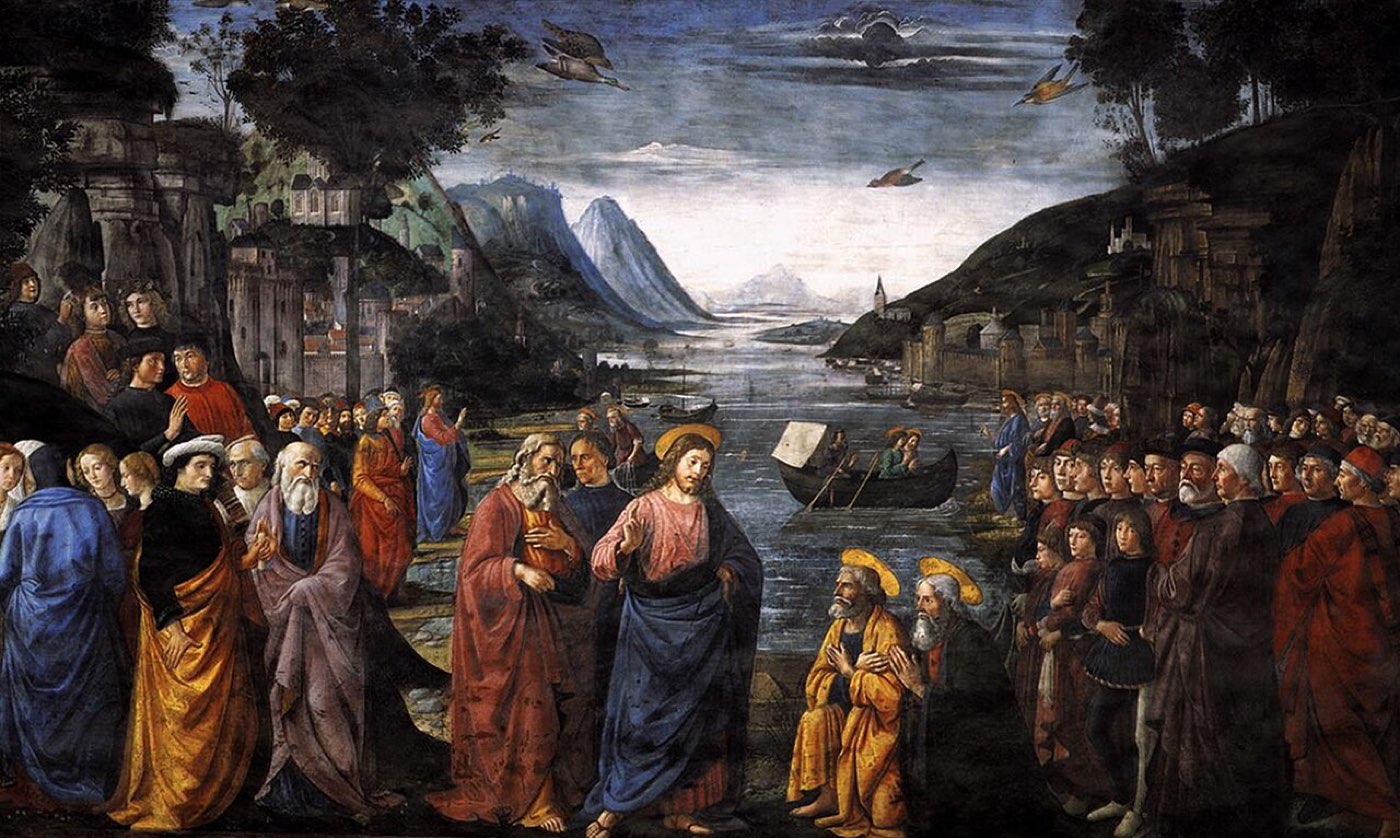
After a night of prayer on the mountain, Jesus “called his disciples and chose from them twelve, whom he named apostles” (Luke 6:12-16) – the number itself a claim, echoing the twelve tribes: a new Israel gathering around a new center. Mark states their job description in order: “that they might be with him, and he might send them out to preach” (Mark 3:14). First with him; then sent.
The roster is gloriously unpromising: four fishermen (Peter, Andrew, James, John), a tax collector who had worked for Rome (Matthew) seated beside a Zealot who had sworn to fight it (Simon), a skeptic (Thomas), a schemer (Judas Iscariot), and men like Philip, Bartholomew/Nathanael, Thaddaeus, and James son of Alphaeus about whom we know little beyond their faithfulness. They argued about rank, missed the point of parables, fled at the arrest – and, restored and Spirit-filled (Matthias replacing Judas, Acts 1), became the foundation stones of the church, their names written on the walls of the new Jerusalem (Ephesians 2:20; Revelation 21:14).
A wider circle of seventy-two was also sent ahead of Jesus with the same message and authority (Luke 10:1-20) – the Twelve were the pattern, never the limit.
In the New Testament
- The appointing of the Twelve (Mark 3:13-19; Luke 6:12-16)
- Their first mission (Matthew 10; Mark 6:7-13)
- The sending of the seventy-two (Luke 10:1-20)
- Failure, flight, and restoration (Mark 14:50; John 20-21; Acts 1-2)
Key Locations
- Galilee The northern hill region where Jesus grew up, based his ministry, and did most of his teaching.
- Capernaum The fishing town on the lake's north shore that became Jesus' adopted home base.
- The Sea of Galilee The freshwater lake at the heart of Jesus' ministry, ringed by fishing towns and sudden storms.
- Jerusalem The holy city -- David's capital, the temple's home, the stage of the crucifixion, resurrection, and Pentecost.
- The Upper Room The large furnished room in Jerusalem where the Last Supper was eaten and the disciples waited for Pentecost.