
The Upper Room
For the most important meal in history, Jesus arranged the venue in advance and in secret: follow a man carrying a water jar, and he will show you “a large upper room furnished and ready” (Mark 14:12-16). The secrecy had a purpose – Judas could not report a location he did not know until they arrived, so nothing could interrupt the supper.
In that borrowed room Jesus washed his disciples’ feet, identified his betrayer, gave the new commandment, and over bread and cup instituted the meal his people have kept ever since: “This is my body… this cup is the new covenant in my blood” (Luke 22:14-23; John 13-14). John devotes five chapters to what was said around that table, ending in the High Priestly Prayer of John 17.
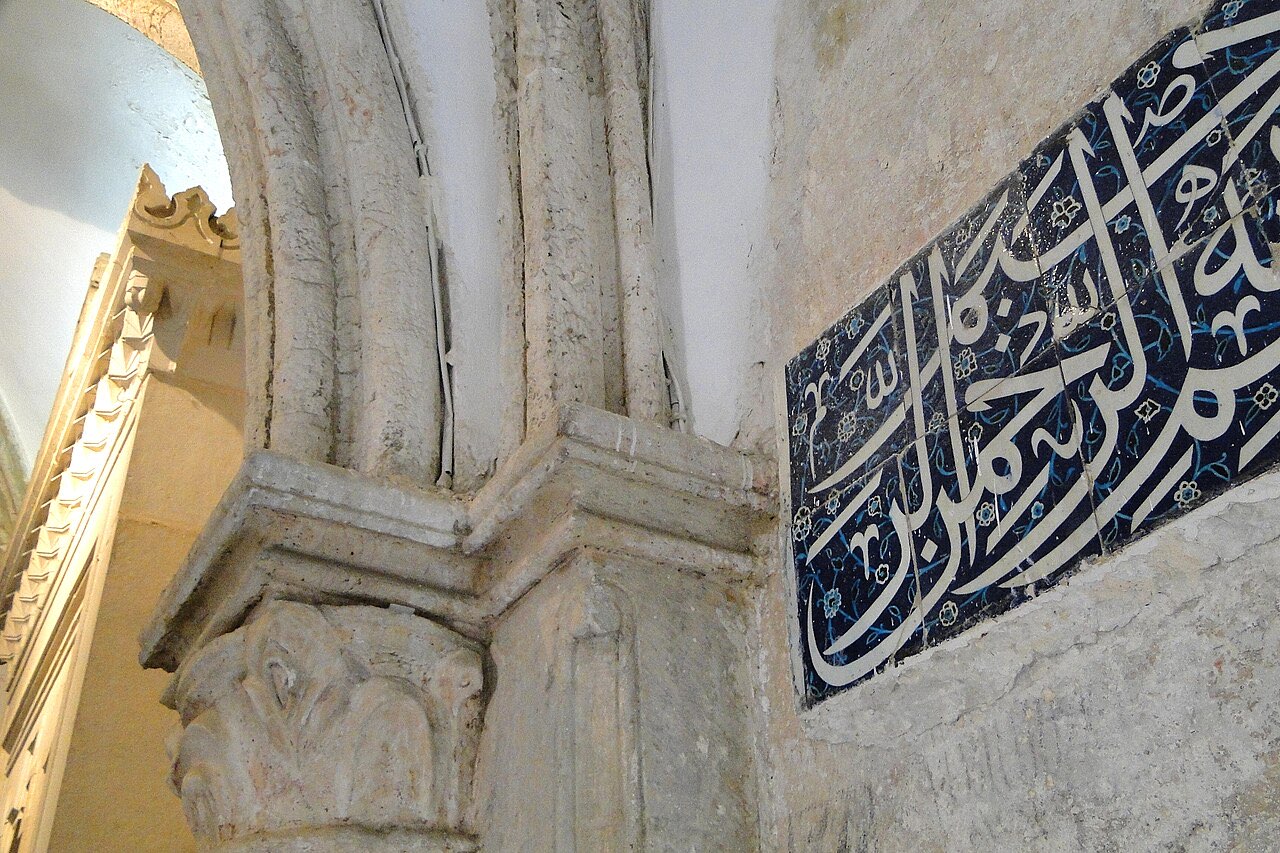
The room’s service did not end that night. The risen Jesus appeared to the gathered disciples behind its locked doors (John 20:19-29), and an upper room – very likely the same one – housed the hundred and twenty who prayed and waited until the Spirit fell at Pentecost (Acts 1:12-14). Tradition places it on Mount Zion, where the Crusader-built Cenacle (“dining room”) now stands above the site the earliest believers venerated.
In the New Testament
- The Last Supper (Mark 14:12-26; Luke 22:7-38; John 13-17)
- Resurrection appearances behind locked doors (John 20:19-29)
- The waiting church before Pentecost (Acts 1:12-14; 2:1)