
The Sea of Galilee
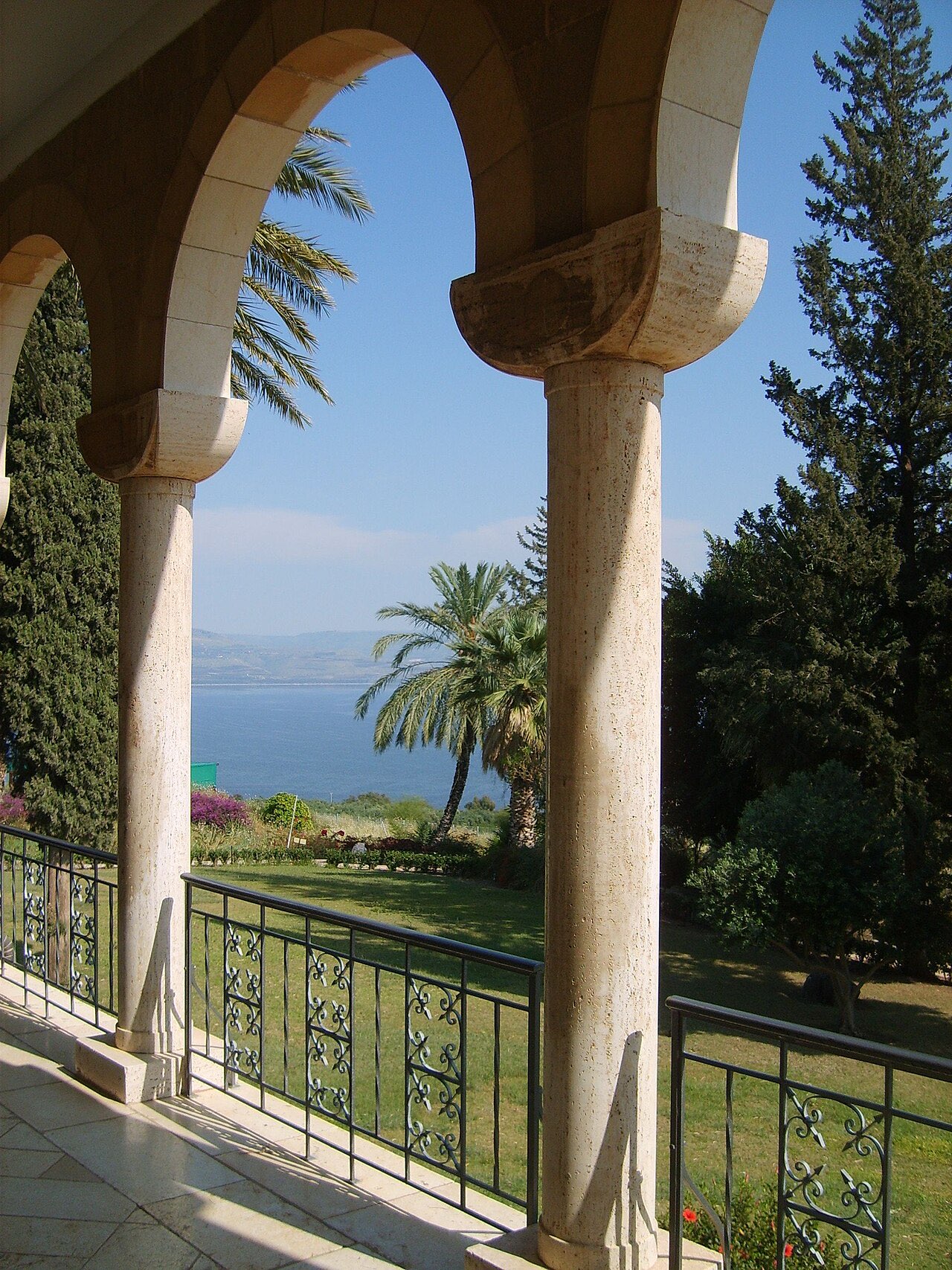
The “sea” is really a freshwater lake, about thirteen miles long and eight miles wide, lying nearly seven hundred feet below sea level in the Jordan rift. Scripture calls it by several names – Chinnereth in the Old Testament, Gennesaret, the Sea of Tiberias – and its surrounding hills funnel cold air down onto the warm surface without warning, whipping up the sudden violent storms the Gospels describe.
In the first century its shoreline was a working economy: a ring of fishing towns (Capernaum, Bethsaida, Magdala), boatyards, salting houses, and the international highway to Damascus passing along its northwest shore. Jesus made this busy lake district, not Jerusalem, the base of his ministry – fulfilling Isaiah’s word that light would dawn in “Galilee of the Gentiles” (Isaiah 9:1-2; Matthew 4:12-16).
Around and on this water the Gospel story unfolds: fishermen called from their nets, sermons preached from a boat pushed off shore, a storm stilled with a word, five thousand fed on the hillside, and Jesus walking on the waves. After the resurrection, the risen Lord cooked breakfast on its beach and restored Peter beside it (John 21).
In the New Testament
- The calling of the fishermen (Matthew 4:18-22; Luke 5:1-11)
- Teaching the crowds from a boat (Mark 4:1; Luke 5:3)
- The stilling of the storm (Mark 4:35-41)
- Walking on the water (Matthew 14:22-33; John 6:16-21)
- Breakfast on the shore and Peter’s restoration (John 21)