
Galilee
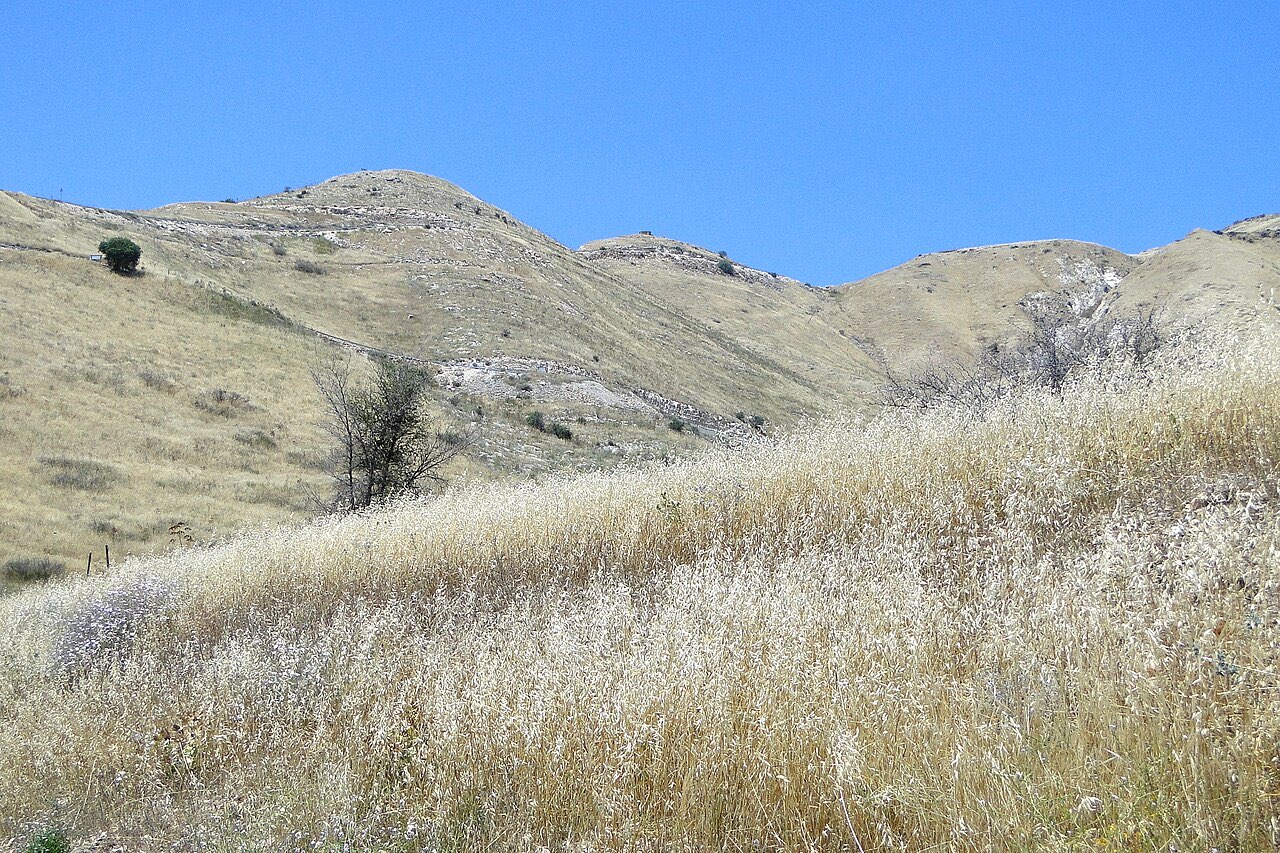
Galilee is the fertile hill country in the north of the land – roughly fifty miles from Jerusalem’s religious establishment, crossed by international trade routes, ringed by Gentile cities, and looked down on by the sophisticated south. “Galilee of the Gentiles,” Isaiah called it, promising that on this borderland people walking in darkness would see a great light (Isaiah 9:1-2).
That is exactly where the light chose to shine. Jesus grew up in Galilean Nazareth, made Capernaum his base, called Galilean fishermen as his first disciples, and did the bulk of his teaching and miracles in this one small region – most of it within a day’s walk of the lake. The Gospels name its towns like a local map: Nazareth, Capernaum, Cana, Nain, Chorazin, Bethsaida, Magdala. When the religious leaders sneered, “no prophet arises from Galilee” (John 7:52), they were not just wrong about the past; they were missing what God was doing in the present.
After the resurrection the angel’s message sent the disciples back north: “he is going before you to Galilee; there you will see him” (Mark 16:7). The risen Christ gave the Great Commission on a Galilean mountain (Matthew 28:16-20).
In the New Testament
- Jesus’ Galilean ministry fulfills Isaiah 9 (Matthew 4:12-17)
- Tours of teaching, preaching, and healing through the towns of Galilee (Matthew 4:23-25; Mark 6:6)
- The Twelve and the Seventy-Two sent out through the region (Matthew 10; Luke 10:1-12)
- The risen Christ meets his disciples in Galilee (Matthew 28:16-20; John 21)