
Julius the Centurion
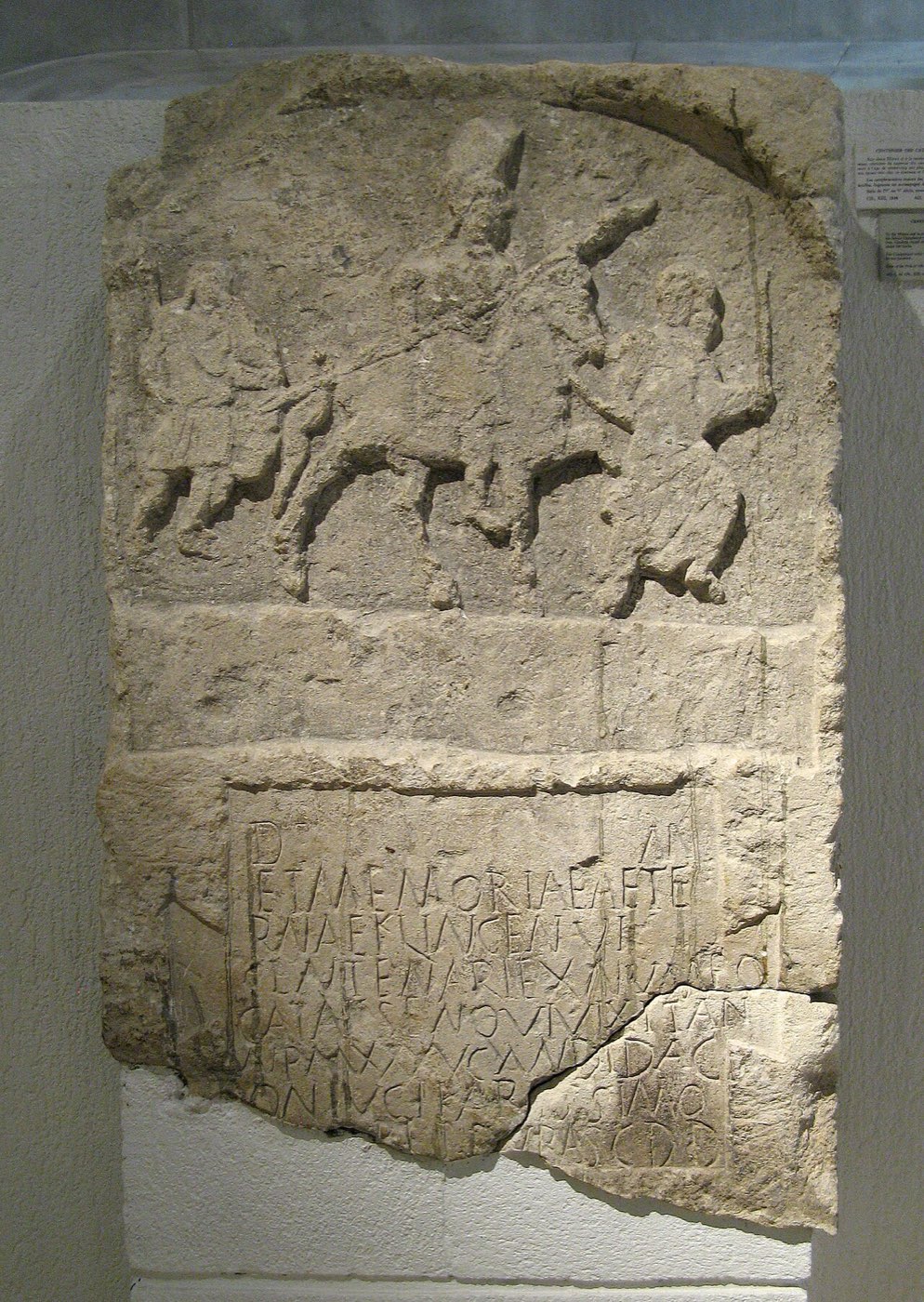
Luke names him with a soldier’s precision: “Julius, a centurion of the Augustan Cohort,” detailed to deliver Paul and other prisoners to Rome (Acts 27:1). From the first port his decency shows: at Sidon he “treated Paul kindly and gave him leave to go to his friends and be cared for” – remarkable latitude for a man responsible with his life for his prisoners.
The voyage tested him. At Fair Havens he sided with the pilot and shipowner against his prisoner’s warning – a defensible call that cost them all a northeaster and fourteen days of terror. To his credit, the professional recalibrated: as the ship broke up off Malta, when the soldiers proposed the standard procedure of killing the prisoners lest any escape, “the centurion, wishing to save Paul, kept them from carrying out their plan” (Acts 27:42-43). Every life on board – two hundred seventy-six – came through, exactly as Paul’s angel had promised; humanly, they came through because one centurion had decided his strange prisoner was worth protecting.
Julius is the last of the New Testament’s honorable centurions – after Capernaum’s believer, the confessor at the cross, and Cornelius – a line of Roman officers whom the Gospels and Acts treat with consistent respect. He delivered his prisoner to Rome; the prisoner’s message would eventually outlast the army.
In the New Testament
- Kindness at Sidon; the fateful call at Fair Havens (Acts 27:1-12)
- Saving the prisoners at the wreck (Acts 27:39-44)
Key Locations
- Caesarea Maritima Herod's harbor city, Rome's capital in Judea -- home of Cornelius, Philip, and Paul's two-year imprisonment.
- The Mediterranean Sea The Great Sea -- highway of the missionary journeys, and the stage of Paul's storm and shipwreck.
- Malta The island where the shipwreck survivors wintered, the viper failed, and the sick were healed.
- Rome The capital of the empire -- Paul's destination, his prison, and the "Babylon" from which Peter wrote.