
The Mediterranean Sea
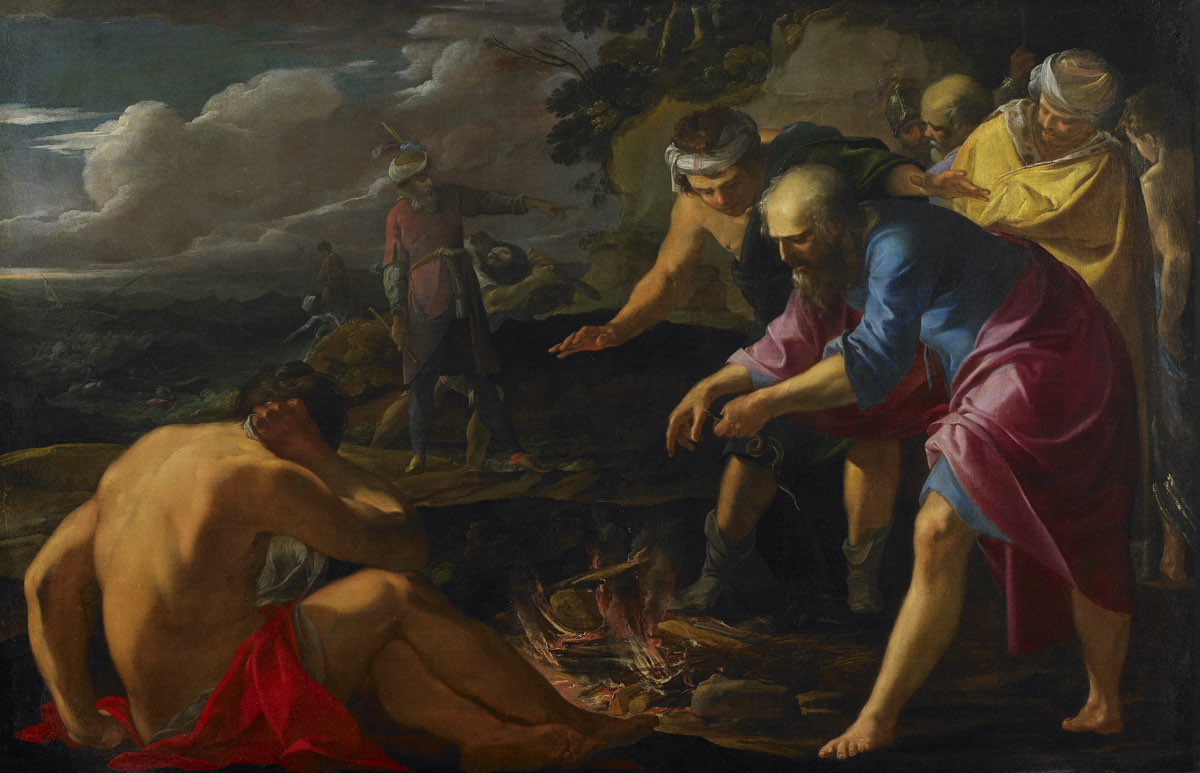
Scripture calls it the Great Sea (Numbers 34:6); Rome, with an empire wrapped entirely around it, called it mare nostrum – “our sea.” Its shipping lanes were the arteries of the New Testament mission: grain freighters and coasting vessels carried Paul on every journey, and his letters crossed it in the luggage of friends. He knew its dark side too, long before Acts 27 – “three times I have been shipwrecked; a night and a day I was adrift at sea” (2 Corinthians 11:25).
The prisoner voyage to Rome (Acts 27-28) is antiquity’s most detailed surviving sea narrative, written by an eyewitness. Luke logs it all: the coasting run to Myra, the grain ship bound for Italy, the slow beat past Cnidus and under Crete to Fair Havens, the fateful decision to sail on despite Paul’s warning, and then the northeaster – fourteen days driven across the open sea, cargo jettisoned, hope abandoned, until the angel’s word: “Do not be afraid, Paul… God has granted you all those who sail with you.” Soundings at midnight, the run for the beach, and all two hundred seventy-six souls brought safe through the surf to Malta, exactly as promised.
The sea in Scripture is chaos under God’s leash – and this voyage is its New Testament proof text: the deep did its worst, and the word of God arrived in Rome on schedule.
In the New Testament
- Sailing on every missionary journey (Acts 13:4; 16:11; 18:18; 20:6, 13-16; 21:1-8)
- Earlier shipwrecks (2 Corinthians 11:25-26)
- The storm and shipwreck of the Rome voyage (Acts 27)
- Safe ashore on Malta, then on to Rome (Acts 28:1-16)