
Titus
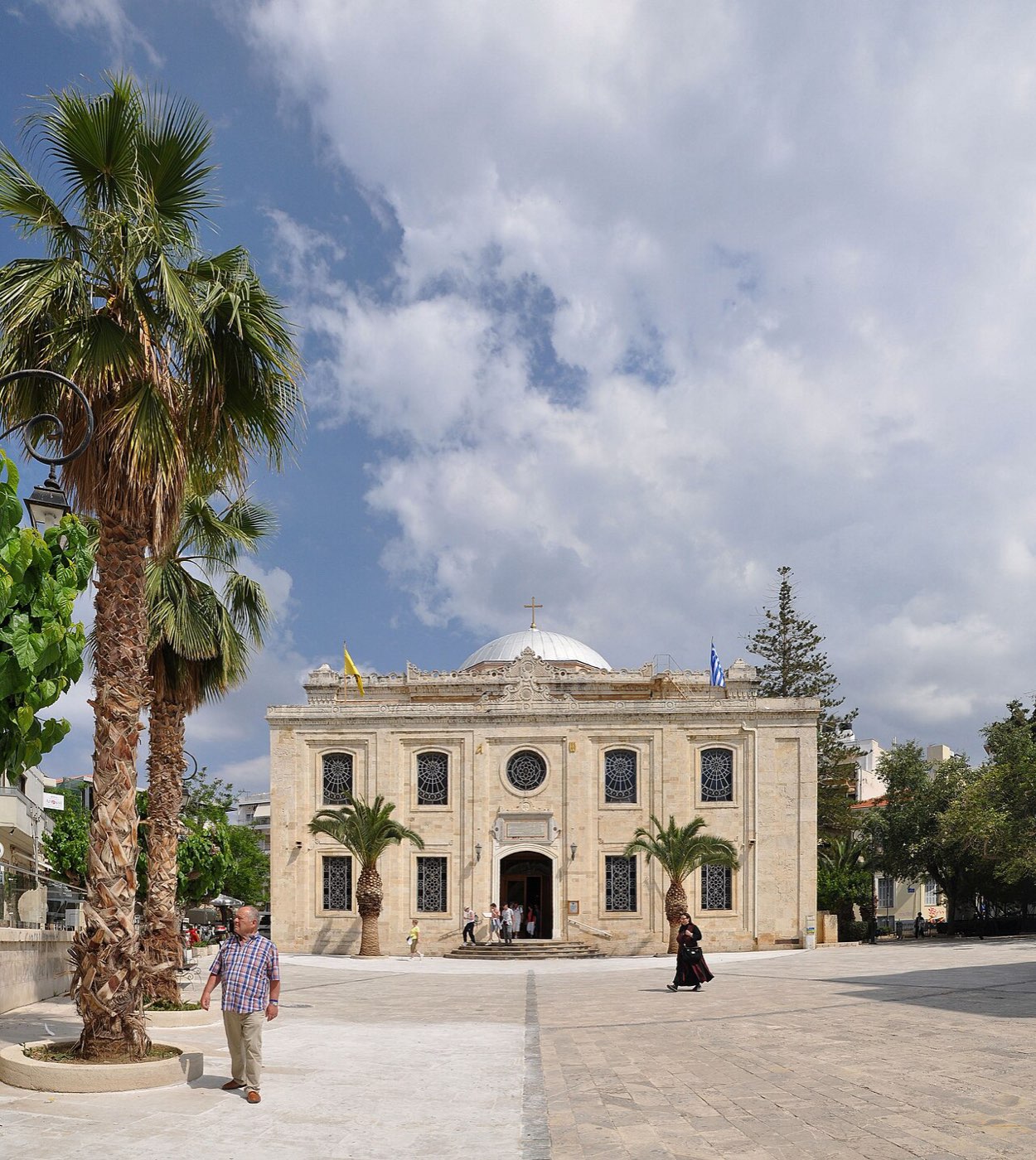
Curiously, Acts never mentions him; we know Titus entirely from Paul’s letters, where he emerges as the man for impossible errands. A Greek convert – “my true child in a common faith” – he was Exhibit A at the Jerusalem showdown over Gentile freedom: Paul brought him along precisely as a test, “and even Titus… was not forced to be circumcised” (Galatians 2:1-3). The principle Paul defended abstractly, Titus embodied in person.
Corinth proved his temperament. When the church there turned on Paul, it was Titus who carried the “severe letter” into the storm and brought back the news of repentance that flooded 2 Corinthians with relief: “God, who comforts the downcast, comforted us by the coming of Titus” (2 Corinthians 7:5-7). Paul then sent him straight back to finish the delicate task of the Jerusalem collection, with a testimonial any minister would frame: “As for Titus, he is my partner and fellow worker for your benefit” (2 Corinthians 8:16-23).
His last assignment was his hardest: left on Crete “to put what remained into order, and appoint elders in every town” (Titus 1:5) among a people whose own poet called them liars, beasts, and gluttons. The letter Paul sent him there is a manual of sound doctrine producing sound lives – “the grace of God has appeared… training us to renounce ungodliness” (Titus 2:11-12). Tradition made him Crete’s first bishop, and the island keeps his name to this day.
In the New Testament
- The Jerusalem test case (Galatians 2:1-5)
- Peacemaker and collector at Corinth (2 Corinthians 2:12-13; 7:5-16; 8:6, 16-24)
- The Crete assignment and the letter to Titus (Titus 1:4-5)
- Final mention: to Dalmatia (2 Timothy 4:10)
Key Locations
- Corinth The rich, rough port on the isthmus where Paul stayed eighteen months and wrote his hardest pastoral letters.
- Macedonia The northern Greek province -- Philippi, Thessalonica, Berea -- famous for generosity out of poverty.
- Crete The great island of Fair Havens and the storm -- and of Titus' hard assignment.