
Macedonia
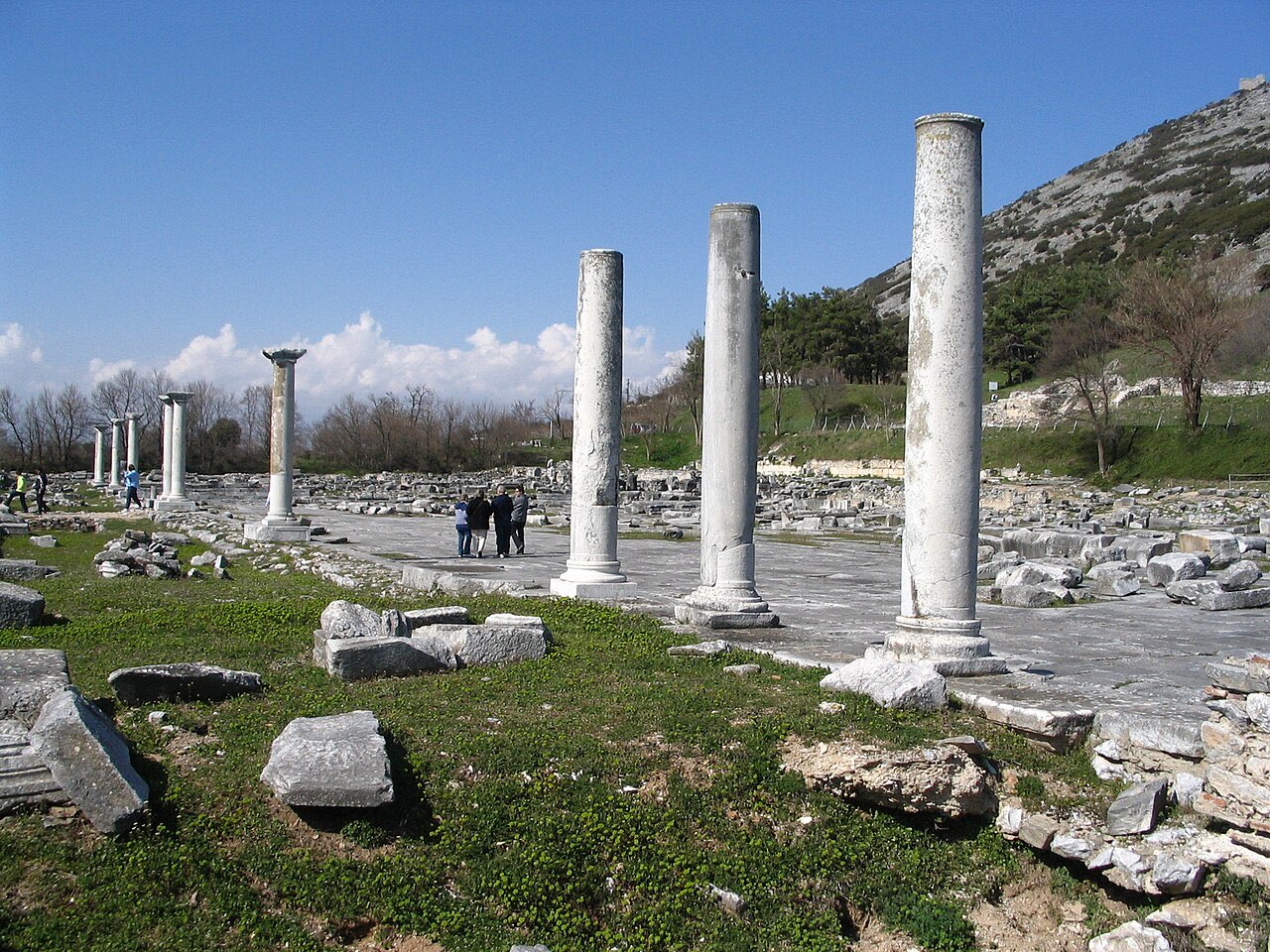
Macedonia was Alexander the Great’s homeland, tamed into a Roman province crossed end to end by the Via Egnatia, Rome’s highway to the East. In Acts it is the answer to a dream: the man of Macedonia pleading “come over and help us” (Acts 16:9), which drew Paul across the Aegean and planted the gospel’s first European churches – Philippi, Thessalonica, and Berea – in one battered, triumphant tour (Acts 16-17).
Paul kept coming back, in person and on paper (Acts 19:21; 20:1-6; 2 Corinthians 2:13; 7:5). Writing to Corinth about the Jerusalem collection, he held up “the churches of Macedonia” as the standard: “in a severe test of affliction, their abundance of joy and their extreme poverty have overflowed in a wealth of generosity… they gave themselves first to the Lord” (2 Corinthians 8:1-5). Wealthy Corinth was being coached by poor Macedonia.
Five of Paul’s letters touch this province – Philippians and the two Thessalonian letters written to it, and 1 Timothy written from it (1 Timothy 1:3) – and its sons Aristarchus, Secundus, Sopater, and Gaius traveled in his crew (Acts 19:29; 20:4). For a region evangelized under beatings and riots, Macedonia became shorthand for the joy that poverty cannot touch.
In the New Testament
- “Come over to Macedonia” (Acts 16:6-12)
- The founding tour: Philippi, Thessalonica, Berea (Acts 16-17)
- Later visits (Acts 20:1-6; 2 Corinthians 7:5)
- The Macedonian example of giving (2 Corinthians 8:1-5; Philippians 4:15)