
Crete
Crete is the long mountainous island that closes the Aegean’s southern edge – home of the ancient Minoans, famous in the Greek world for archers, sailors, and a reputation for lying so proverbial that “to Cretize” meant to deceive. Cretan Jews heard Peter preach at Pentecost (Acts 2:11), so the island’s first believers may predate any apostle’s visit.
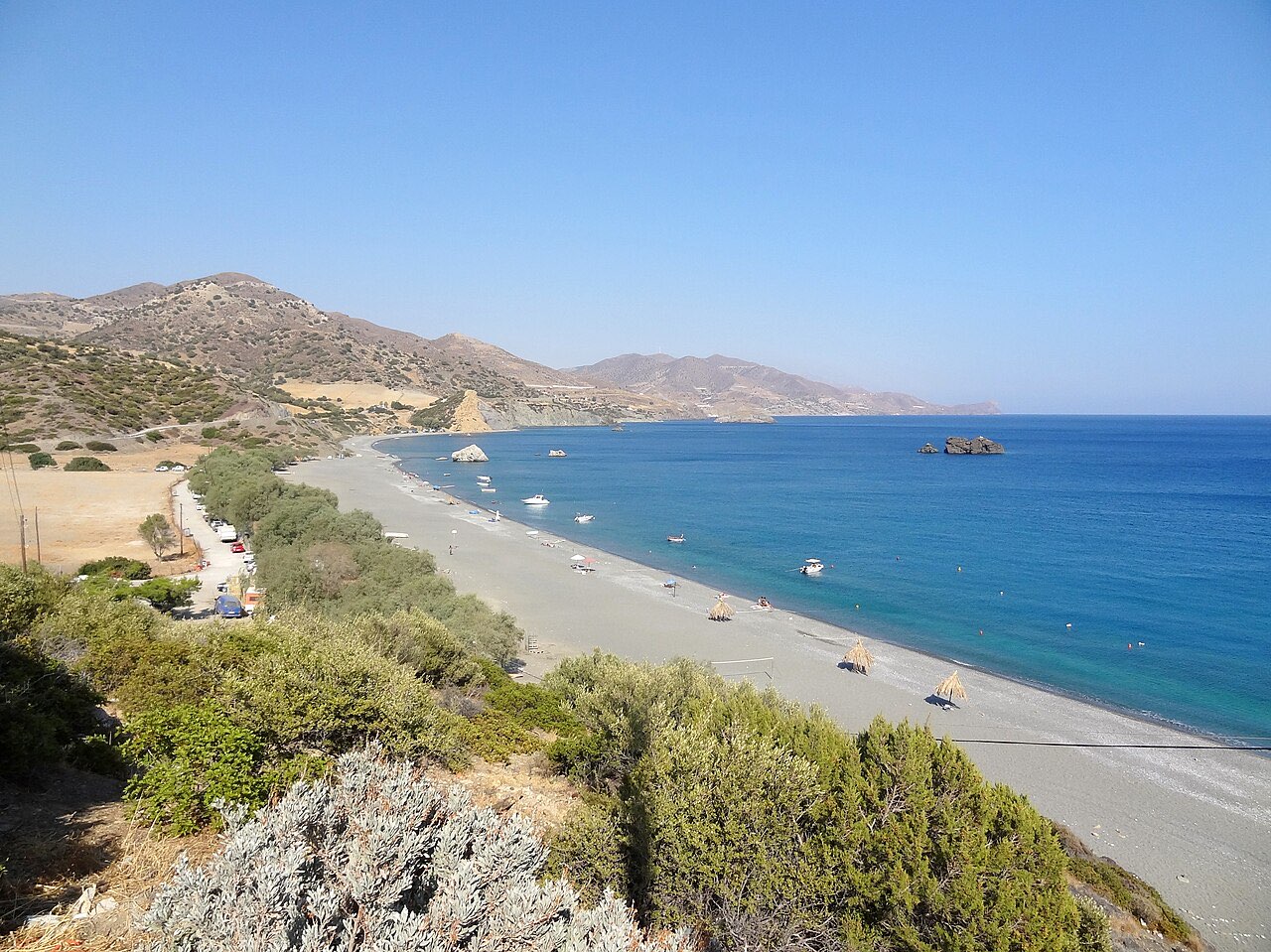
Acts brings Paul there as a prisoner. His ship crept along the southern coast to Fair Havens, near the city of Lasea – too exposed, the sailors judged, for wintering. Paul warned that sailing on would cost cargo, ship, and lives; the centurion listened to the captain instead, a gentle south wind tempted them out, “but soon a tempestuous wind, called the northeaster, struck down from the land” (Acts 27:8-15). The gravel crescent of Kali Limenes still answers to its ancient name.
Later, a free Paul evangelized Crete properly and left Titus behind “to put what remained into order, and appoint elders in every town” (Titus 1:5). The letter to Titus is a field manual for planting sound churches in cynical soil – quoting Crete’s own poet about its people, then answering the island’s famous lie problem at the root: the hope of eternal life promised by “God, who never lies” (Titus 1:2, 12-13).
In the New Testament
- Cretans at Pentecost (Acts 2:11)
- Fair Havens and the fateful decision (Acts 27:7-15)
- Titus’ assignment on Crete (Titus 1:5-16)