
Priscilla and Aquila
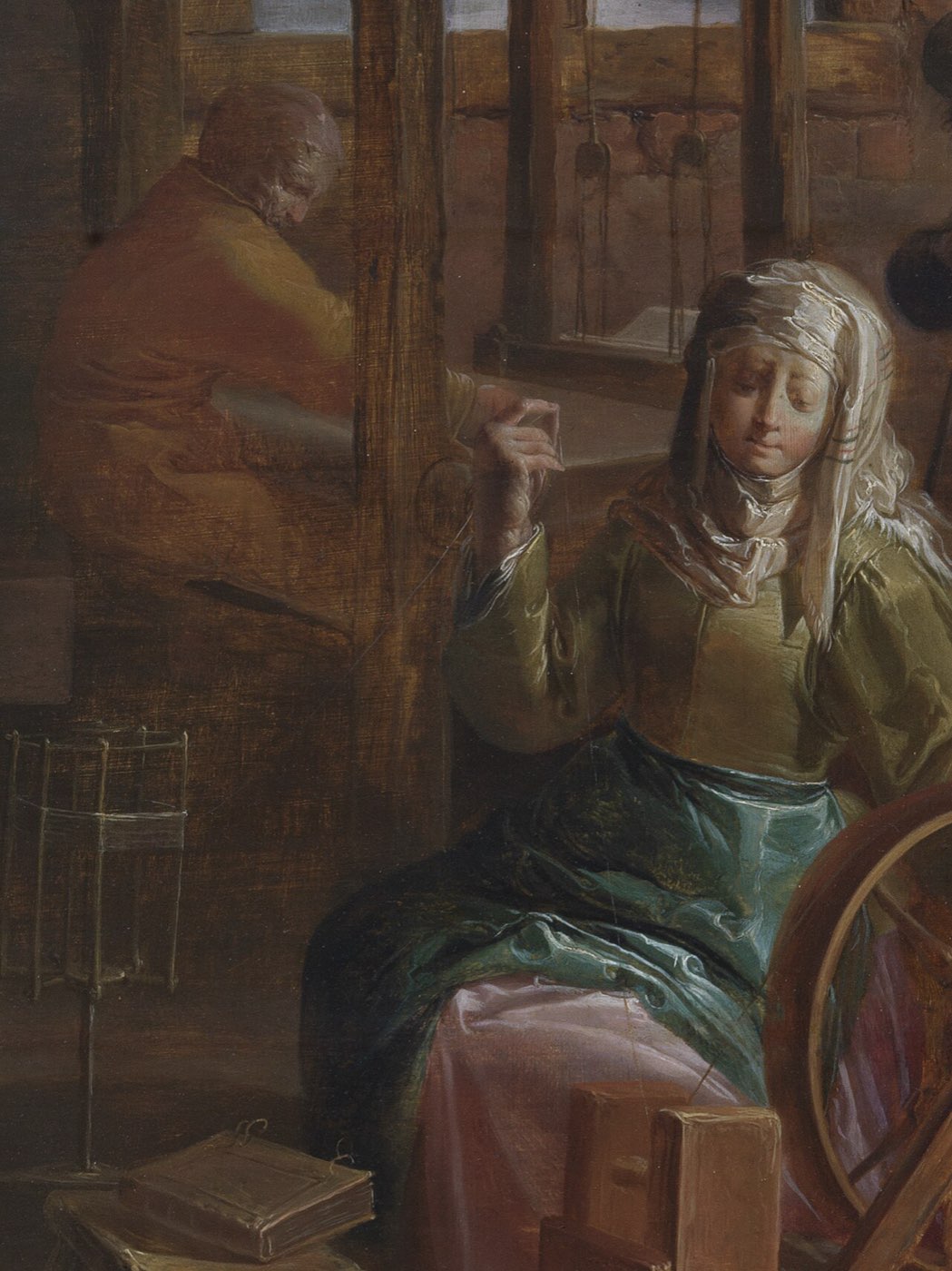
They were refugees when Paul met them: Aquila, a Jew of Pontus, and his wife Priscilla, newly expelled from Rome by Claudius’ edict against the Jews. In Corinth the three discovered they shared a trade – tentmakers, workers in leather and cloth – and a workshop partnership became the New Testament’s model marriage of hospitality and mission (Acts 18:1-3). They moved with Paul to Ephesus and stayed to hold the ground.
Their most famous act was a private one, and a masterclass in correction. Apollos, brilliant and bold but knowing “only the baptism of John,” preached in the synagogue; the couple did not heckle or write him off – “they took him aside and explained to him the way of God more accurately” (Acts 18:24-26). The next generation’s greatest preacher was finished in their living room. Notably, Priscilla is named first in most references – unusual in ancient writing, and a quiet testimony to her stature as a teacher.
Everywhere they lived, a congregation met in their house – Ephesus, then Rome again (1 Corinthians 16:19; Romans 16:3-5) – and Paul’s greeting to them carries the mission’s debt: “my fellow workers in Christ Jesus, who risked their necks for my life, to whom not only I give thanks but all the churches of the Gentiles as well.” Scripture never records what that risk was; the churches all knew.
In the New Testament
- Tentmakers with Paul at Corinth (Acts 18:1-3, 18-19)
- Teaching Apollos (Acts 18:24-28)
- House churches and risked necks (Romans 16:3-5; 1 Corinthians 16:19; 2 Timothy 4:19)
Key Locations
- Rome The capital of the empire -- Paul's destination, his prison, and the "Babylon" from which Peter wrote.
- Corinth The rich, rough port on the isthmus where Paul stayed eighteen months and wrote his hardest pastoral letters.
- Ephesus The great city of Asia -- Artemis' temple, Paul's three-year ministry, and the first church of Revelation.