
Ephesus
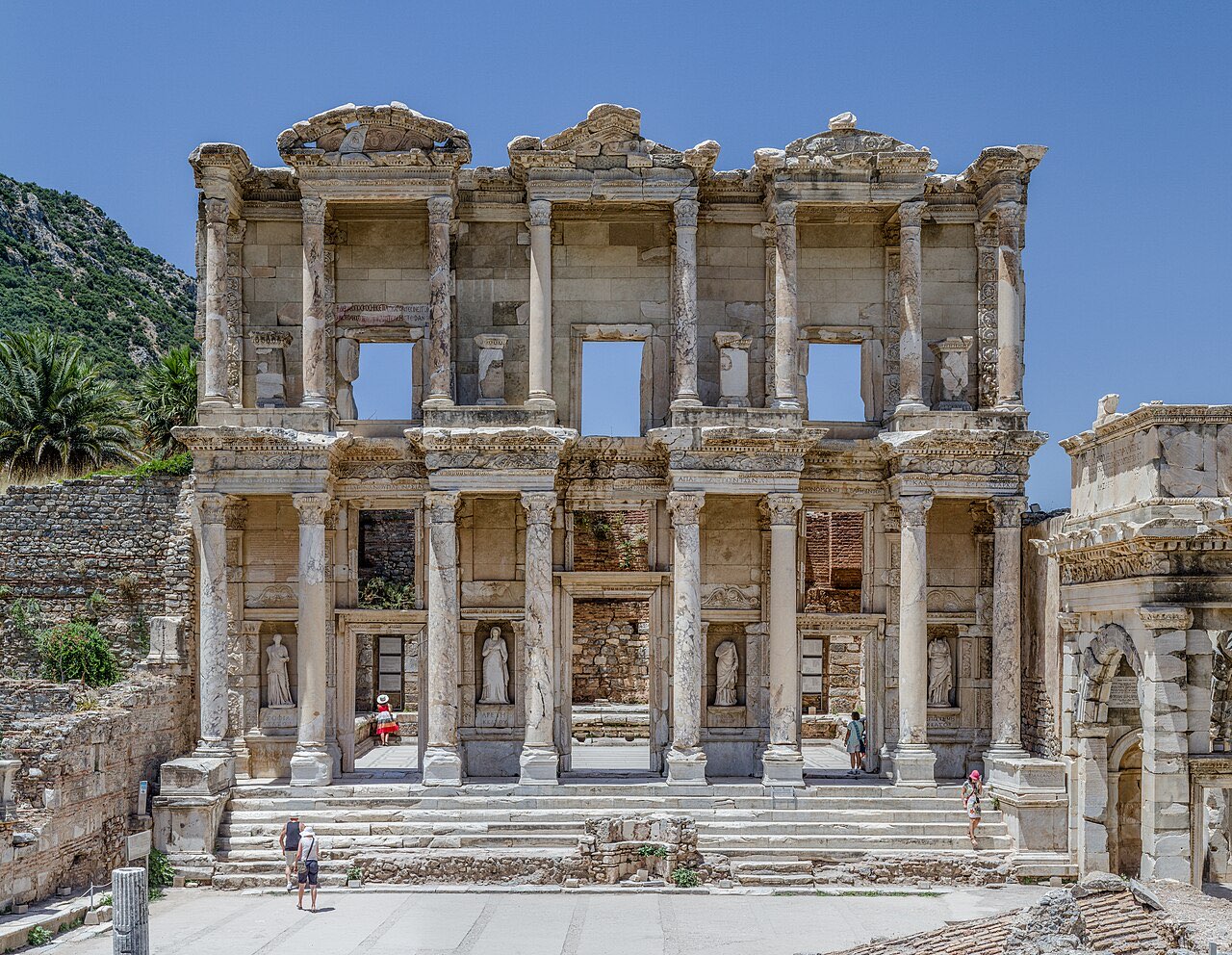
Ephesus was the metropolis of the province of Asia – a harbor city of perhaps a quarter million, banking center, pilgrim destination, and keeper of the Temple of Artemis, one of the Seven Wonders of the ancient world. Magic flourished beside the goddess; so did commerce in her silver shrines. It was the strategic heart of western Asia Minor, and Paul gave it more time than any other city.
For three years (Acts 20:31) he made Ephesus his base: three months in the synagogue, then two years of daily lectures in the hall of Tyrannus, “so that all the residents of Asia heard the word of the Lord” (Acts 19:8-10) – the season in which the churches of the Lycus valley and, likely, the seven churches of Revelation were planted. God worked extraordinary miracles; failed exorcists were humiliated; and converts burned fifty thousand silver pieces’ worth of magic books in public (Acts 19:11-20). The backlash was economic: Demetrius the silversmith, seeing the shrine business collapse, packed the great theater with a crowd chanting “Great is Artemis of the Ephesians!” for two hours (Acts 19:23-41).
Paul’s farewell to the Ephesian elders at Miletus is his most personal recorded speech (Acts 20:17-38). The letter to the Ephesians lifts the city’s church into the heavens – chosen, made alive, seated with Christ, armed against the powers. Timothy pastored here (1 Timothy 1:3); John’s tradition settled here; and the risen Christ addressed Ephesus first among the seven churches, praising its endurance and grieving its abandoned first love (Revelation 2:1-7).
In the New Testament
- The three-year ministry, the magic books, the riot (Acts 19)
- Farewell to the Ephesian elders (Acts 20:17-38)
- The letters: Ephesians; 1-2 Timothy addressed to Timothy at Ephesus
- First of the seven churches (Revelation 2:1-7)