
Moses
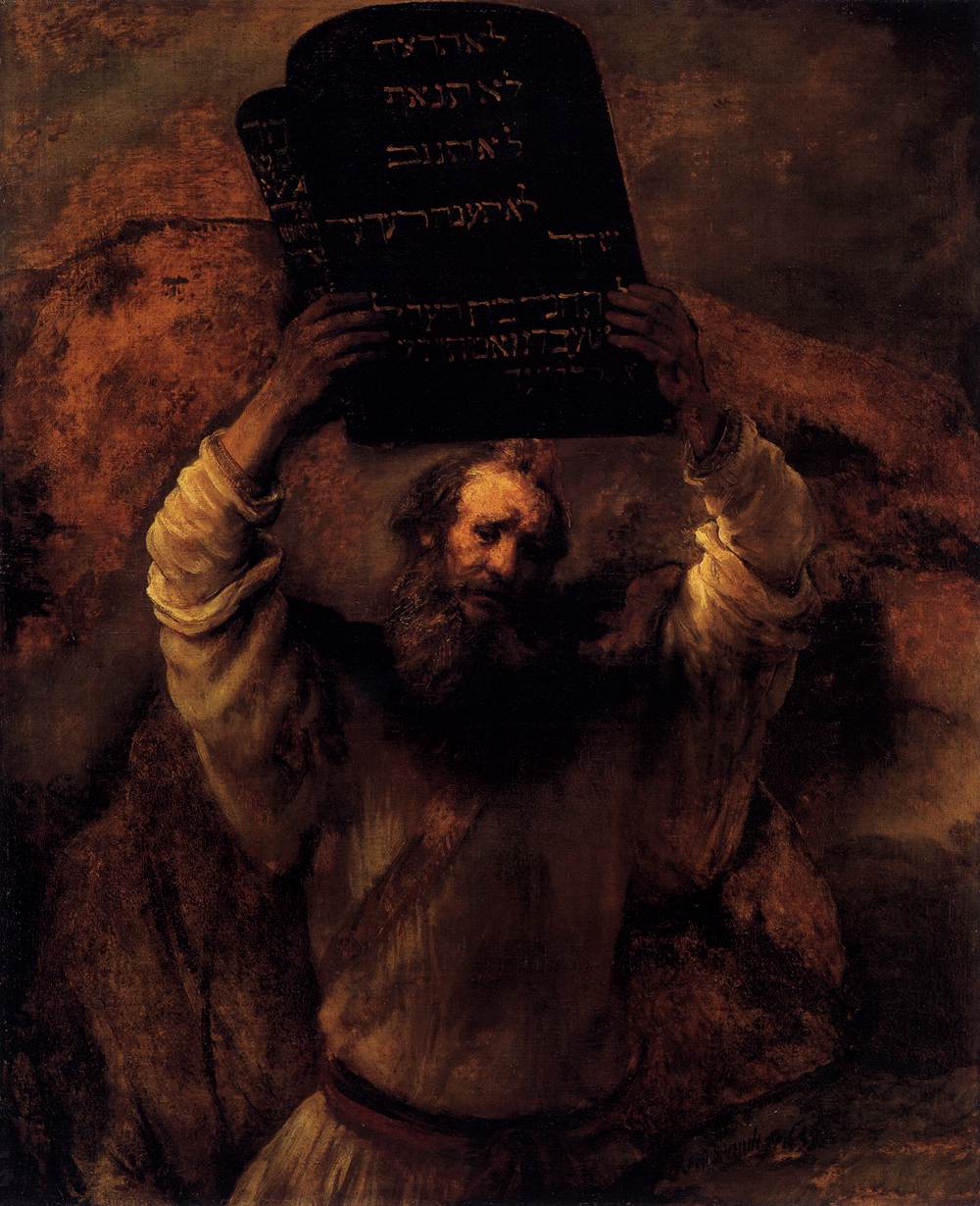
The New Testament names Moses about eighty times – more than any other Old Testament figure – because you cannot explain Jesus without him. Moses was Israel’s founding deliverer: drawn from the Nile, schooled in Pharaoh’s house, exiled to the desert, and sent back at eighty to face the empire with a staff and a Name. Through him came the exodus, the covenant at Sinai, the law, the tabernacle – the entire architecture the New Testament reads Christ against.
The Gospels frame Jesus as the prophet Moses himself promised (“The LORD your God will raise up for you a prophet like me,” Deuteronomy 18:15): rescued from a slaughtering king, called out of Egypt, tested forty days in the wilderness answering every temptation from Moses’ book, giving the law’s fulfillment from a mountain. At the Transfiguration Moses stood beside Elijah, talking with Jesus about the “exodus” he would accomplish at Jerusalem (Luke 9:30-31) – the lawgiver conferring with the Deliverer his whole life had prefigured.
The epistles draw the ranking with reverence: Moses “was faithful in all God’s house as a servant… but Christ is faithful over God’s house as a son” (Hebrews 3:1-6); the law came through Moses, “grace and truth came through Jesus Christ” (John 1:17); the fading glory on Moses’ veiled face gives way to unveiled beholding (2 Corinthians 3). Hebrews adds his own faith to the honor roll – choosing “the reproach of Christ” over Egypt’s treasures (Hebrews 11:24-26). His brother Aaron, first of the priests, belongs to the same story Hebrews retells: every priesthood of that line pointed past itself to a greater mediator.
In the New Testament
- The prophet like Moses (Deuteronomy 18:15; Acts 3:22; 7:20-44)
- At the Transfiguration (Luke 9:28-36)
- Servant and Son (John 1:17; Hebrews 3:1-6)
- The veil and the glory (2 Corinthians 3:7-18)
- Moses’ faith (Hebrews 11:23-29)
Key Locations
- Egypt The land of refuge where the holy family fled from Herod, fulfilling "Out of Egypt I called my son."
- Mount Sinai The mountain of the law and the wilderness around it -- the covenant the New Testament reads Christ against.
- The Mount of Transfiguration The high mountain where Jesus was transfigured before Peter, James, and John.