
The Mount of Transfiguration
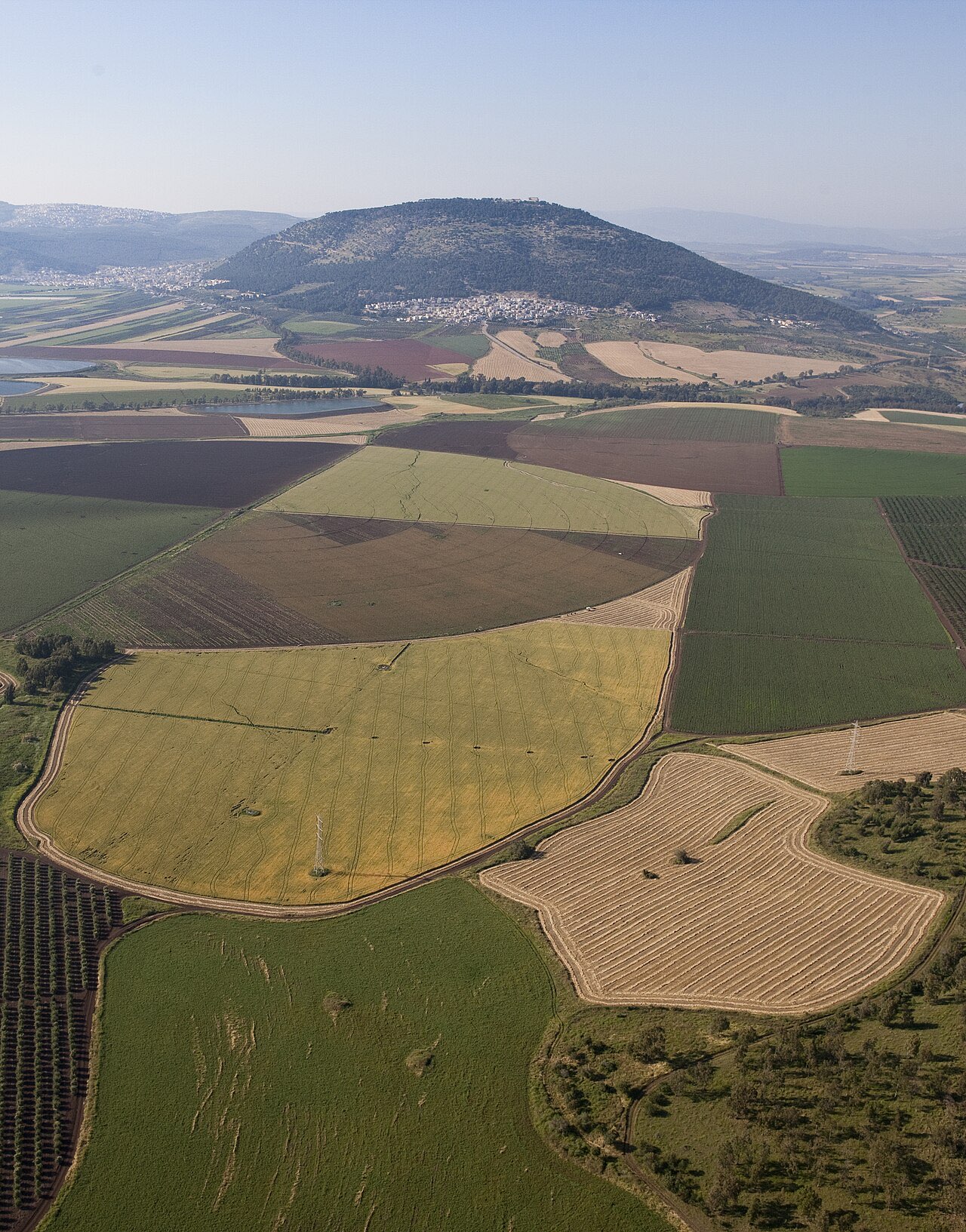
Six days after Peter’s confession, Jesus took Peter, James, and John “up a high mountain by themselves,” and there he was transfigured: his face shining like the sun, his clothes dazzling white, Moses and Elijah talking with him, and the Father’s voice from the cloud – “This is my beloved Son… listen to him” (Matthew 17:1-8). The Law and the Prophets stood beside him and then withdrew, and the disciples “saw no one but Jesus only.”
The Gospels never name the mountain. Tradition since the early centuries has honored Mount Tabor, the striking dome that rises alone from the Jezreel Valley – a natural “high mountain apart,” crowned today by the Basilica of the Transfiguration. Many modern scholars prefer Mount Hermon, far to the north near Caesarea Philippi, where the previous scene takes place. The uncertainty changes nothing about the event; Peter himself anchored his testimony not to a map reference but to what he saw and heard: “we were with him on the holy mountain” (2 Peter 1:16-18).
Tabor carries older memories too: Barak mustered Israel’s tribes on this mountain before the battle against Sisera (Judges 4).
In the New Testament
- The Transfiguration (Matthew 17:1-8; Mark 9:2-8; Luke 9:28-36)
- The healing of the demonized boy at the mountain’s foot (Mark 9:14-29)
- Peter’s eyewitness memory of “the holy mountain” (2 Peter 1:16-18)