
Egypt
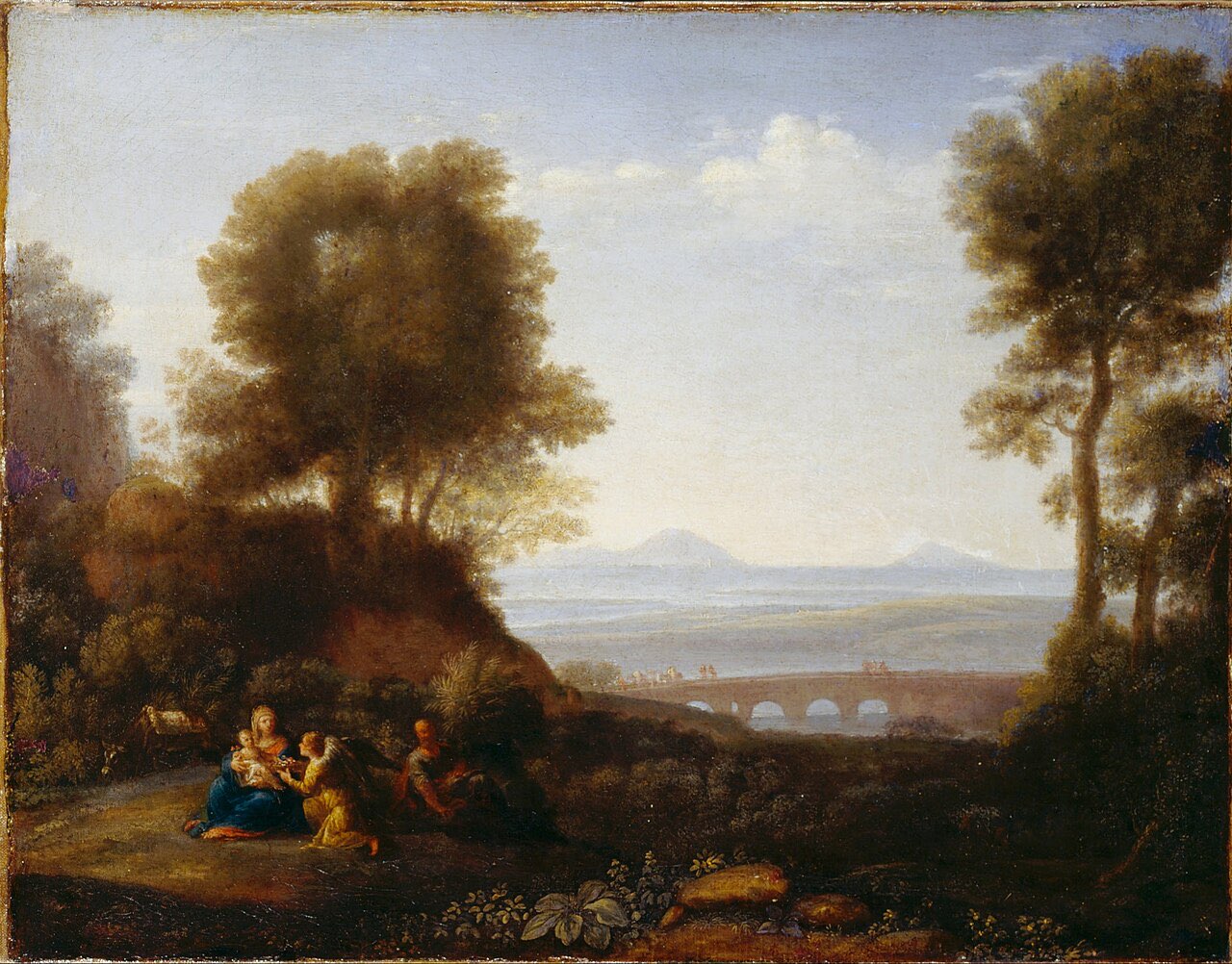
Warned in a dream that Herod meant to destroy the child, Joseph took Mary and Jesus by night and fled to Egypt, staying until Herod’s death (Matthew 2:13-15). The journey was not as strange as it may sound. Egypt lay outside Herod’s jurisdiction, a few days’ travel down the coastal road, and it had sheltered refugees from Israel for centuries – Jeroboam fled there from Solomon, Uriah the prophet from Jehoiakim, and by the first century Alexandria held one of the largest Jewish communities in the world.
Matthew sees far more than a convenient hiding place. He quotes Hosea 11:1 – “Out of Egypt I called my son” – words that originally described Israel’s exodus. Jesus is retracing his people’s story: down into Egypt, out through the water, into the wilderness, up onto a mountain to teach. Where Israel the “son” failed, this Son will be faithful.
Scripture records nothing about the family’s time in Egypt; the destination and duration are left blank. Coptic Christian tradition, by contrast, treasures a detailed itinerary of stops along the Nile. The painting above is likewise imagination rather than record – a European landscape standing in for a road no one photographed.
In the New Testament
- The flight into Egypt (Matthew 2:13-15)
- The return to Israel and settlement in Nazareth after Herod’s death (Matthew 2:19-23)
- Stephen retells Israel’s own Egypt story (Acts 7:9-36)