
Zechariah
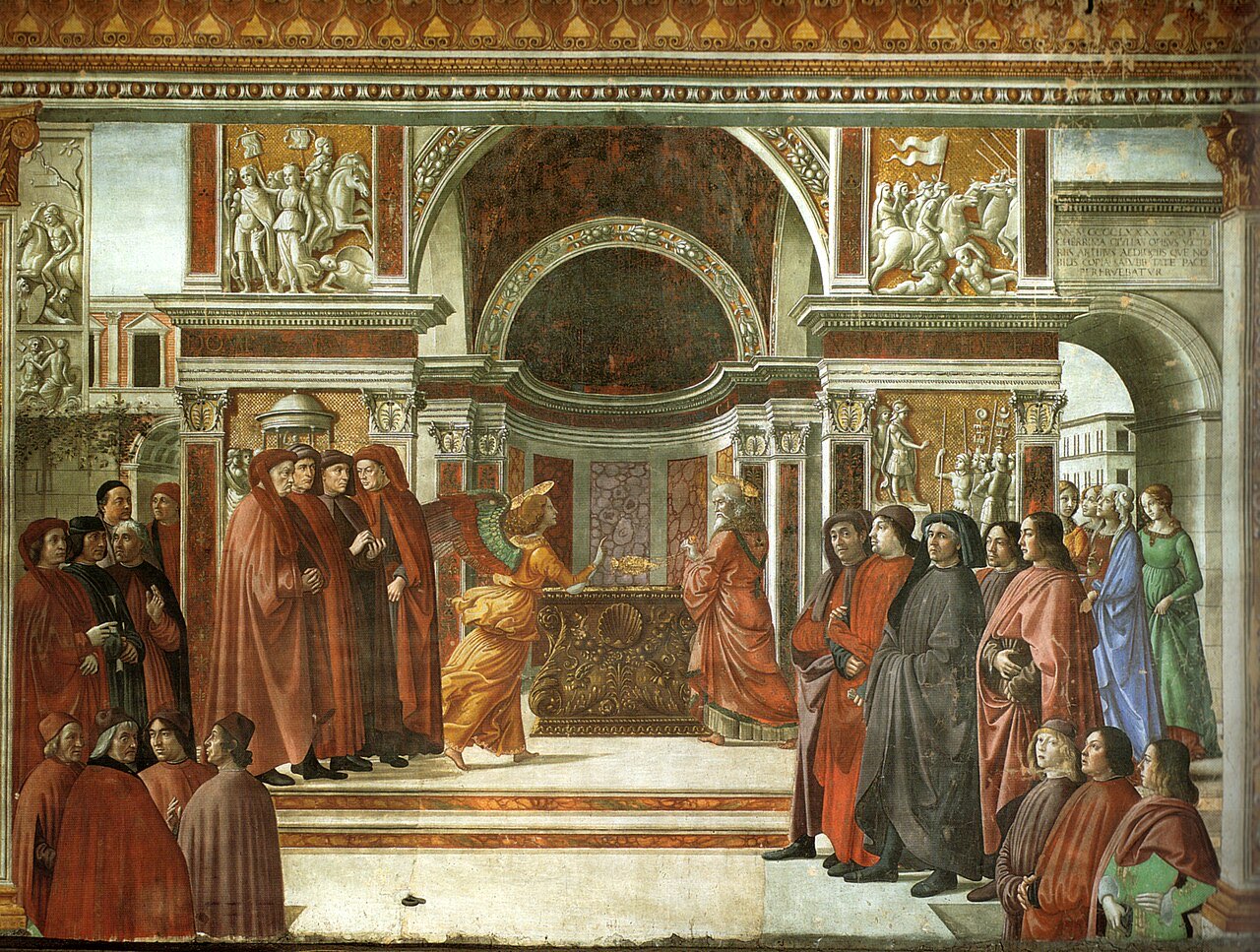
Zechariah was an ordinary priest of the division of Abijah – one of thousands – and the lot that sent him into the temple to burn incense was the honor of a lifetime, for many priests a once-ever event. On that day of all days, Gabriel stood at the right side of the altar with news the old man and his barren wife had stopped praying for years before: “your prayer has been heard, and your wife Elizabeth will bear you a son, and you shall call his name John” (Luke 1:13).
Zechariah asked for proof, and got a sign with teeth in it: nine months of silence, “because you did not believe my words.” Luke lets us watch the priest emerge unable to pronounce the blessing, gesturing to a bewildered congregation. The silence broke at the baby’s naming, when Zechariah wrote “His name is John” against every family expectation – “and immediately his mouth was opened and his tongue loosed, and he spoke, blessing God” (Luke 1:57-66).
What came out of nine months of enforced listening is the Benedictus (Luke 1:67-79), one of Scripture’s great hymns: covenant remembered, David’s horn of salvation raised, and a father’s tender turn to the infant in the room – “And you, child, will be called the prophet of the Most High” – ending on the sunrise from on high that visits those who sit in darkness.
In the New Testament
- The announcement at the altar of incense (Luke 1:5-23)
- The naming of John and the loosed tongue (Luke 1:57-66)
- The Benedictus (Luke 1:67-80)
Key Locations
- The Temple in Jerusalem The center of Israel's worship, rebuilt on a massive scale by Herod the Great.
- The Hill Country of Judea The terraced hills west of Jerusalem where Mary visited Elizabeth and the Magnificat was sung.