
Gaius, Diotrephes, and Demetrius
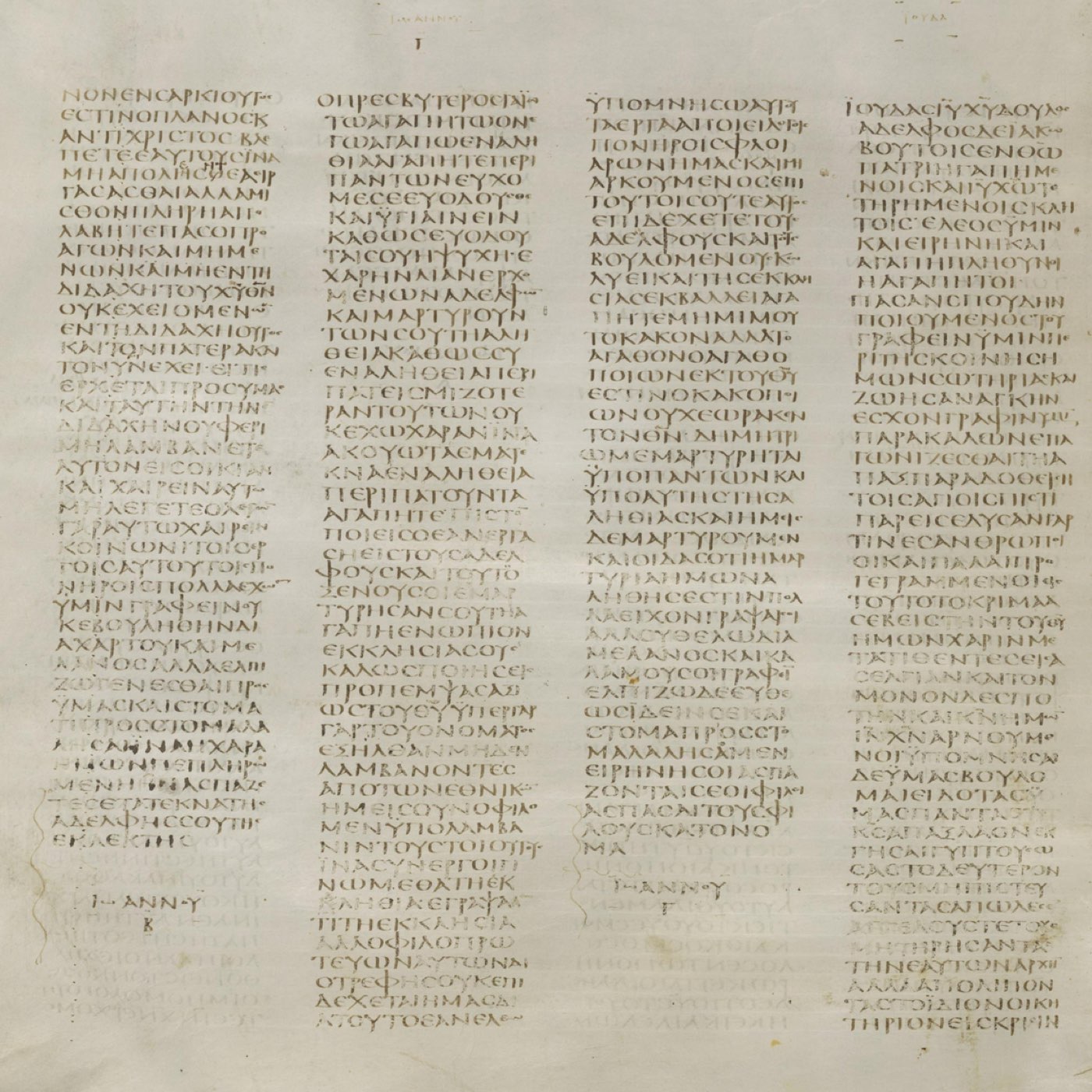
The shortest book in the Bible is a character study in triplicate. The aged John writes “to the beloved Gaius, whom I love in truth,” with the warmest personal wish in Scripture – “that all may go well with you and that you may be in good health, as it goes well with your soul” (3 John 1-2). Gaius’ ministry was the open door: he housed and provisioned the traveling missionaries, strangers included, sending them on “in a manner worthy of God.” In an age when the mission moved at the speed of hospitality, such men were its infrastructure: “we ought to support people like these, that we may be fellow workers for the truth” (3 John 5-8).
Diotrephes ran the opposite program. John’s description needs no updating in any century of church life: he “likes to put himself first, and does not acknowledge our authority… talking wicked nonsense against us,” refusing the missionaries and excommunicating those who welcomed them (3 John 9-10). Not a heretic, so far as the letter says – just a man for whom the church had become a stage. “Do not imitate evil but imitate good” is John’s whole counter-strategy.
Demetrius gets the third portrait, one line long and threefold: “well spoken of by everyone – and from the truth itself” (3 John 12) – likely the letter’s carrier, commended into a congregation where welcome had become contested. Three names, one house church, every congregation since: the letter is a mirror the reader is meant to look into and choose a portrait.
In the New Testament
- The third letter of John
- The kindred warning of 2 John about welcome and truth (2 John 7-11)
Key Locations
- Asia Minor The peninsula of modern Turkey -- Paul's mission field, Peter's readers, and the seven churches of Revelation.
- Ephesus The great city of Asia -- Artemis' temple, Paul's three-year ministry, and the first church of Revelation.