
Asia Minor
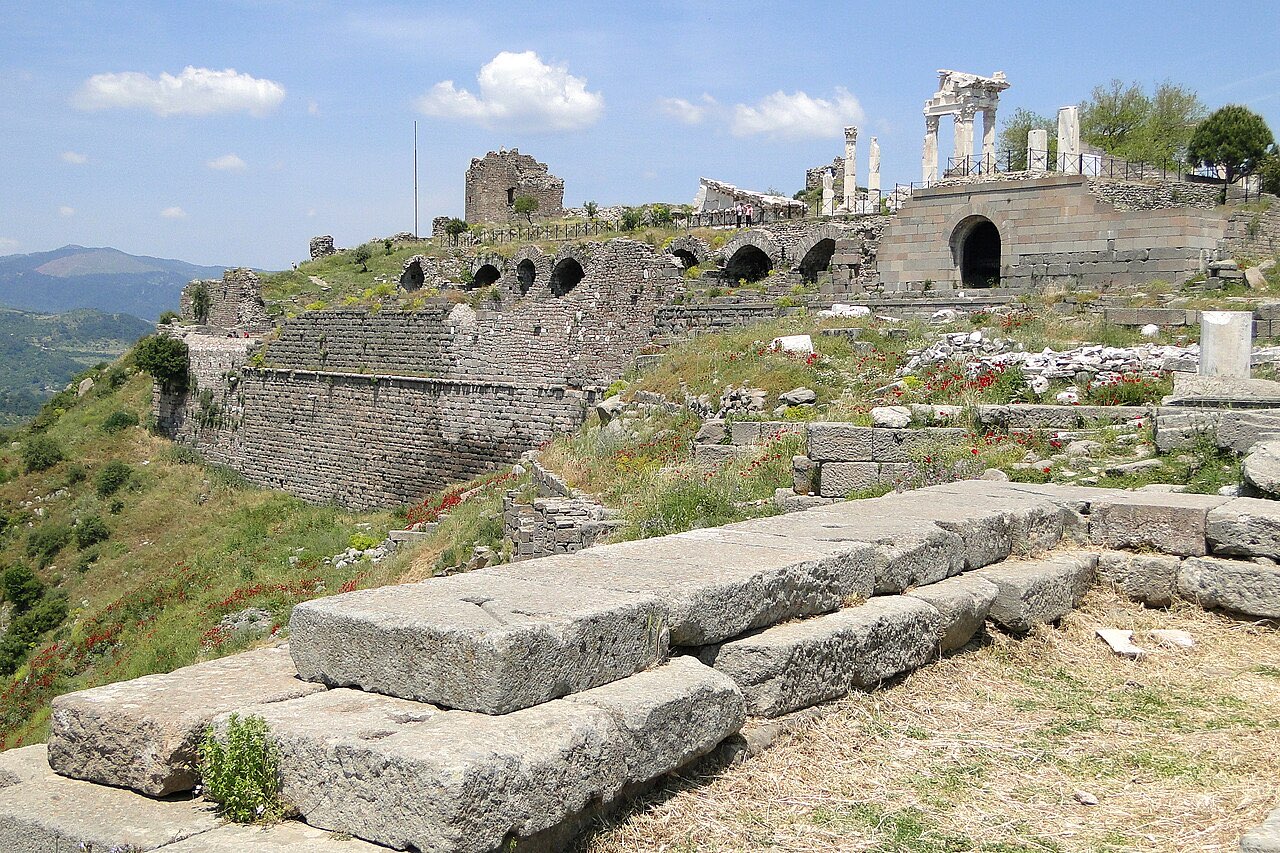
Asia Minor is the great peninsula of modern Turkey, bridging Europe and the East. Rome carved it into provinces whose names fill the New Testament’s address lines – Asia on the Aegean coast with Ephesus at its head, Galatia on the plateau, and the “Pontus, Cappadocia, Bithynia” of Peter’s greeting (1 Peter 1:1). Natives of this peninsula heard the gospel on day one, at Pentecost (Acts 2:9-10), and no region on earth received more of the New Testament’s mail.
Paul crisscrossed it on all three journeys, and from his Ephesian base “all the residents of Asia heard the word of the Lord” (Acts 19:10). Peter wrote both his letters to its scattered believers, “elect exiles” under mounting social pressure (1 Peter 1:1). John’s ministry settled at Ephesus, and the Revelation opens with the risen Christ walking among seven lampstands – seven real cities on a Roman postal circuit: Ephesus, Smyrna, Pergamum, Thyatira, Sardis, Philadelphia, and Laodicea (Revelation 1-3). Each letter reads the church through its town: lukewarm Laodicea’s tepid aqueduct water, wealthy Sardis asleep behind “impregnable” walls twice fallen, Pergamum in the shadow of the imperial cult’s altars.
By the second century this peninsula was the most Christianized region in the world – the proving ground where letters written to first-century towns became Scripture for every century since.
In the New Testament
- Pentecost pilgrims from its provinces (Acts 2:9-10)
- Paul’s journeys across it (Acts 13-14; 16:6-8; 19)
- Peter’s letters to its exiles (1 Peter 1:1; 2 Peter 3:1)
- The seven churches (Revelation 1:4, 11; 2-3)