
Phoebe
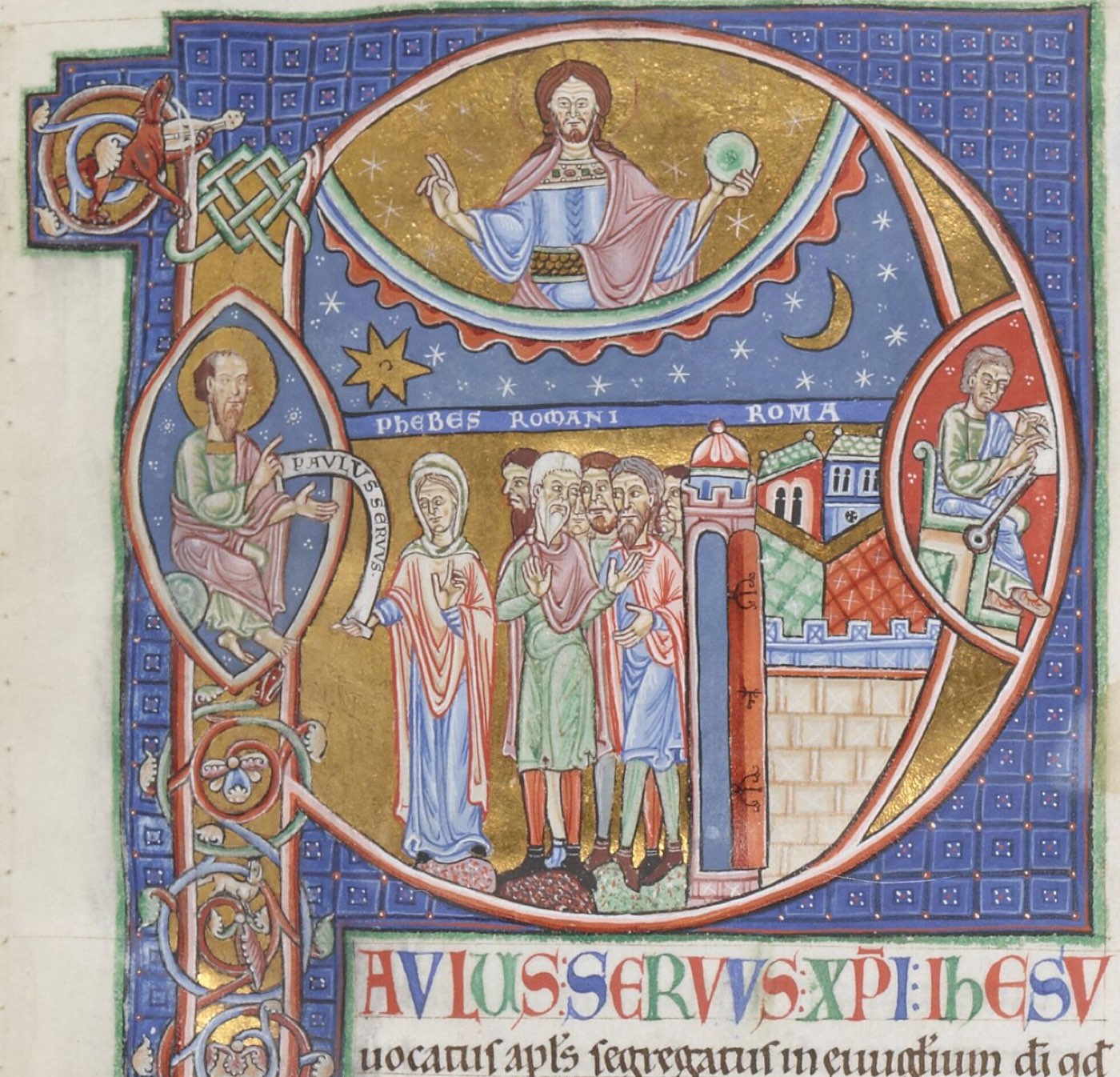
The most influential letter in Christian history traveled in a woman’s luggage. Paul opens Romans 16 with her credentials: “I commend to you our sister Phoebe, a diakonos of the church at Cenchreae” – deacon of the congregation at Corinth’s eastern port – “that you may welcome her in the Lord… and help her in whatever she may need from you, for she has been a patron of many and of myself as well” (Romans 16:1-2).
Each word carries weight. Diakonos is the same title Paul uses for himself and Timothy; whatever its exact shape at Cenchreae, it names recognized ministry. Prostatis – patron, benefactor – marks her as a woman of means and standing who had put both at the church’s service. And the commendation itself is what ancient letter-carriers received: by every ordinary convention, Phoebe delivered Romans to the capital, which likely also made her its first reader aloud and first answerer of questions about it – justification by faith, the olive tree, the mercies of God, explained in Roman house churches by the deacon from Cenchreae.
She heads the New Testament’s longest greeting list, in which Paul goes on to salute a striking number of women by name – Prisca, Mary, Junia, Tryphaena, Tryphosa, Persis, and more – a roll call that quietly documents how much of the early mission ran on such shoulders as hers.
In the New Testament
- Commended as deacon, patron, and (by convention) letter-bearer (Romans 16:1-2)