
The Scribes and Pharisees
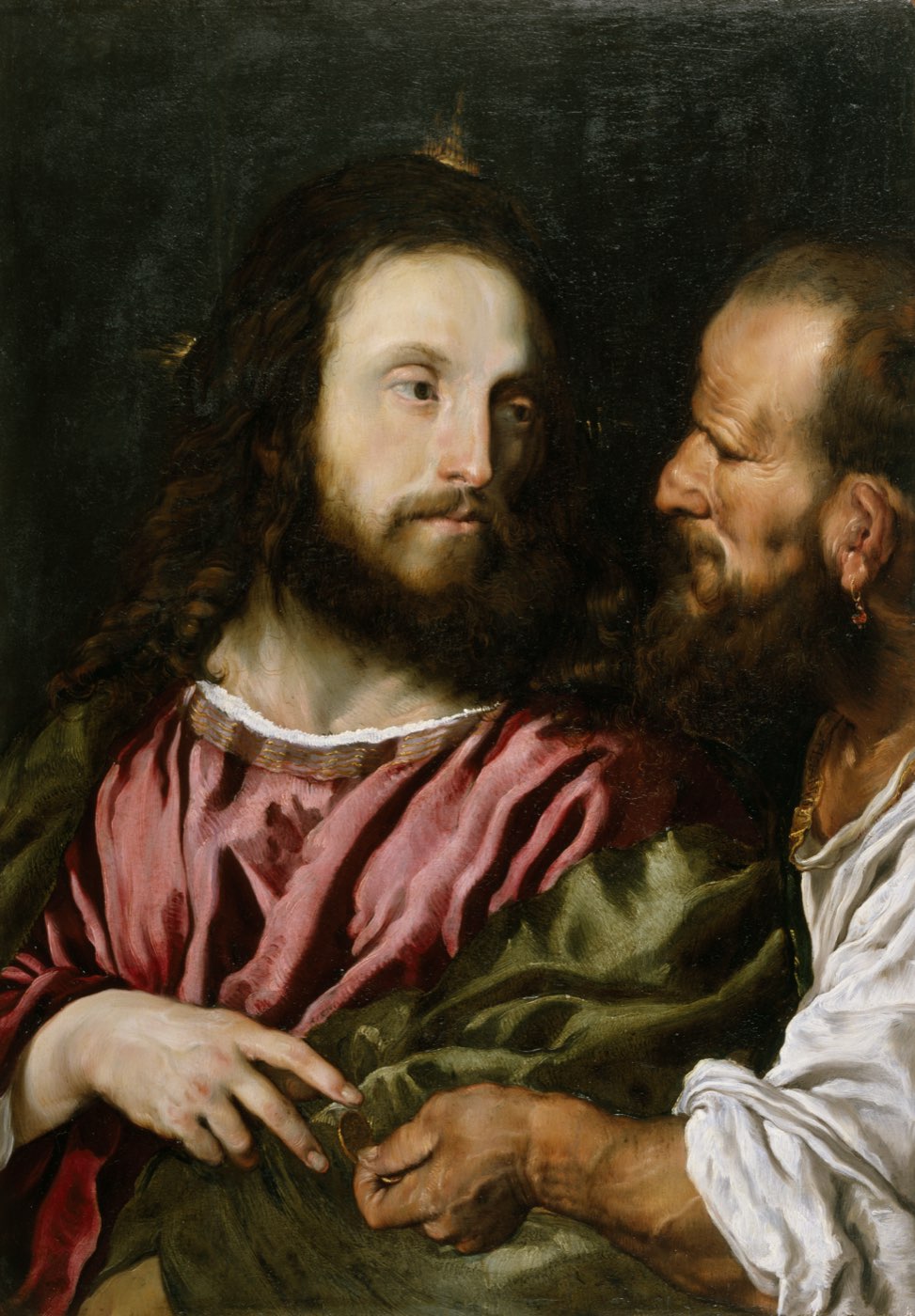
The Pharisees (“separated ones”) were not villains by profession. They were a lay renewal movement – perhaps six thousand strong – devoted to applying God’s law to all of life, guarding it with a “fence” of oral tradition. The scribes were the trained experts in that law, many of them Pharisees. Ordinary people respected them deeply; they believed in resurrection, angels, and judgment (unlike the Sadducees), and on paper they were the party closest to Jesus.
That is precisely why the collisions were so fierce. Jesus kept breaking their fence at its proudest posts – Sabbath rules, hand-washing, tithing mint and dill – to expose what the fence had come to hide: “you have neglected the weightier matters of the law: justice and mercy and faithfulness” (Matthew 23:23). The Seven Woes of Matthew 23 are not a rejection of holiness but of holiness turned performance: cups clean outside and greedy inside, tombs whitewashed. They watched him, tested him with trick questions about taxes and divorce, and finally helped hand him over.
Yet the Gospels refuse a caricature. Nicodemus and Joseph of Arimathea came from their ranks; Gamaliel counseled patience; and the movement’s fiercest young star, Saul of Tarsus, became the apostle Paul – who never stopped calling himself “a Pharisee, a son of Pharisees” (Acts 23:6).
In the New Testament
- Sabbath and purity controversies (Mark 2:23-3:6; 7:1-13)
- Test questions: taxes, divorce, signs (Matthew 22:15-22; 19:3; 16:1)
- The Seven Woes (Matthew 23)
- Pharisees who believed (John 3:1; 19:38-39; Acts 5:34; 15:5; 23:6)
Key Locations
- Galilee The northern hill region where Jesus grew up, based his ministry, and did most of his teaching.
- Jerusalem The holy city -- David's capital, the temple's home, the stage of the crucifixion, resurrection, and Pentecost.
- The Temple in Jerusalem The center of Israel's worship, rebuilt on a massive scale by Herod the Great.