
Nicodemus
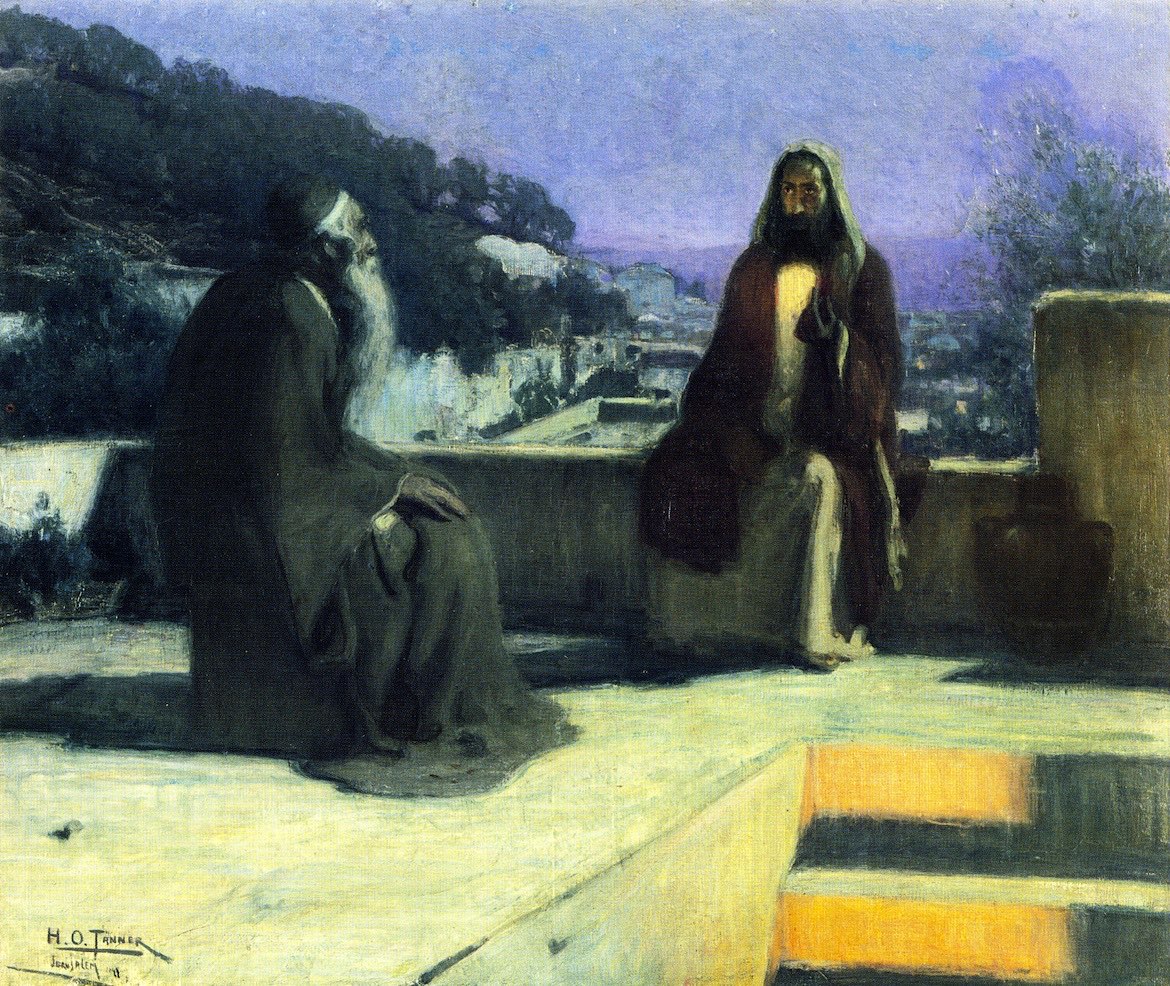
Nicodemus had everything his world could confer – Pharisee, member of the Sanhedrin, “the teacher of Israel” – and he came to Jesus by night, respectful and cautious: “Rabbi, we know that you are a teacher come from God” (John 3:1-2). The conversation that followed went entirely over his head on purpose. Born again? “How can a man be born when he is old?” To Israel’s teacher Jesus spoke the syllabus he had missed: new birth by the Spirit, the serpent lifted in the wilderness, and the verse that became the gospel’s front door – “For God so loved the world, that he gave his only Son…” (John 3:16).
John tracks Nicodemus’ slow walk into the light across his Gospel. At the Sanhedrin he risks a lawyer’s objection – “Does our law judge a man without first giving him a hearing?” – and takes the sneer for it: “Are you from Galilee too?” (John 7:50-52). Then, on the darkest afternoon, when the public disciples had scattered, the night visitor came out in broad daylight: Nicodemus brought seventy-five pounds of myrrh and aloes – a royal quantity – and with Joseph of Arimathea bound the body of Jesus and laid it in the garden tomb (John 19:39-42).
He is never quoted again, and needs no lines. The man who asked how anyone could be born again is the Gospels’ own answer: slowly, sometimes – but truly.
In the New Testament
- The night conversation (John 3:1-21)
- The objection at the council (John 7:45-52)
- The burial with Joseph of Arimathea (John 19:38-42)
Key Locations
- Jerusalem The holy city -- David's capital, the temple's home, the stage of the crucifixion, resurrection, and Pentecost.
- Golgotha / Calvary "The Place of the Skull" outside the city wall, where Jesus was crucified.
- The Garden Tomb The new rock-hewn tomb of Joseph of Arimathea, found empty on the third day.