
Lydia
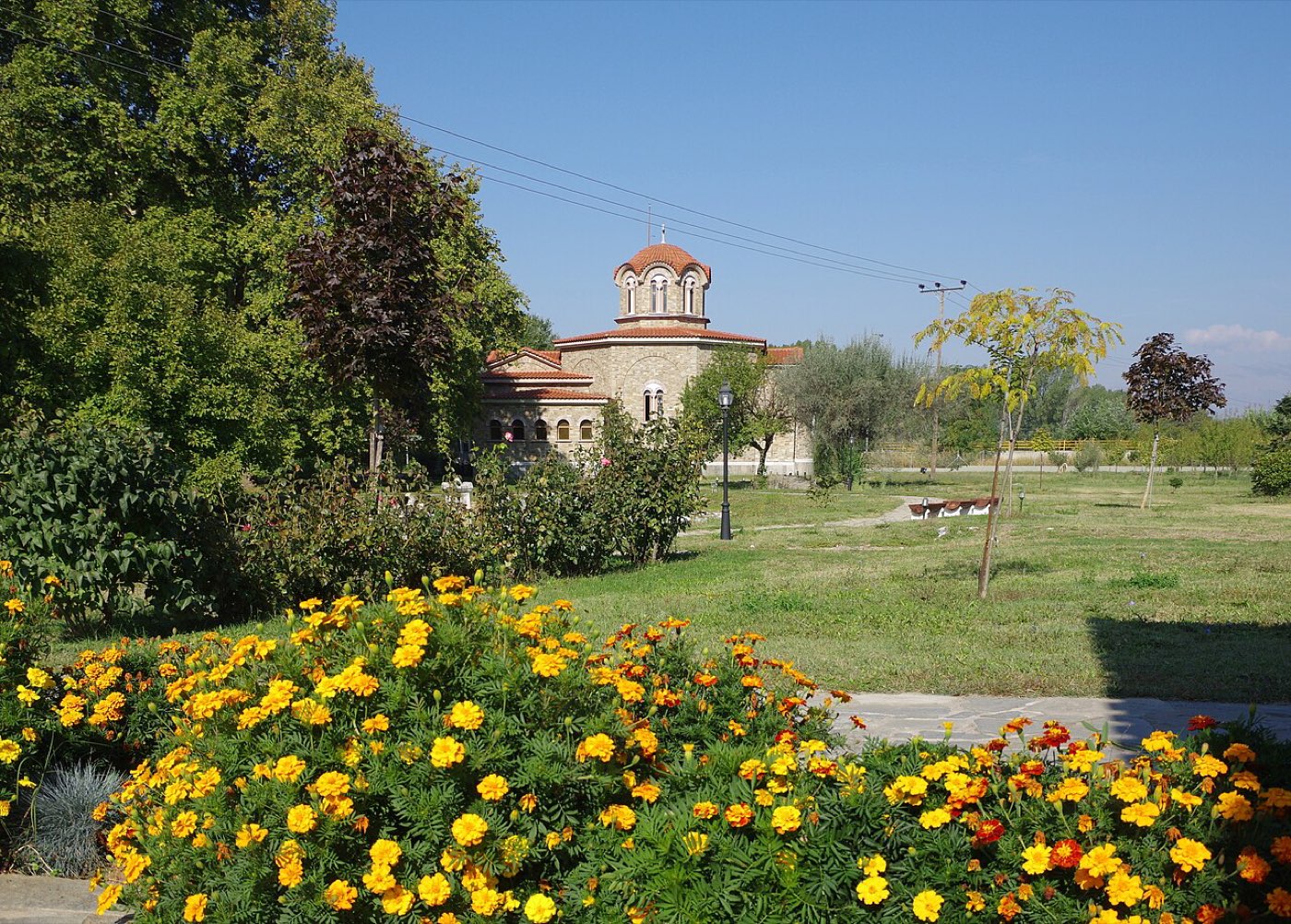
Philippi evidently lacked the ten Jewish men needed for a synagogue, so on the Sabbath the seekers met outside the gate by the river – and that is where Paul’s Macedonian mission actually began: not with the man of the vision but with a gathering of women (Acts 16:13). Among them sat a businesswoman from Thyatira in Asia Minor, “a seller of purple goods” – the luxury dye trade – and “a worshiper of God”: a Gentile drawn to Israel’s Lord.
Luke describes her conversion with a phrase that has anchored a thousand sermons on grace: “The Lord opened her heart to pay attention to what was said by Paul” (Acts 16:14). Paul spoke; God opened; Lydia believed – the whole order of salvation in one riverside sentence. She was baptized with her household, and her faith immediately took its lifelong shape, hospitality with insistence: “If you have judged me to be faithful to the Lord, come to my house and stay. And she prevailed upon us” (Acts 16:15).
Her home became the Philippian church’s first meeting place – it was to Lydia’s house that Paul and Silas went straight from prison to encourage the brothers (Acts 16:40). Europe’s first congregation, the one that would later fund Paul’s whole mission, started in the guest rooms of a merchant woman the Lord had opened.
In the New Testament
- The riverside conversion and baptism (Acts 16:11-15)
- Her house, the church’s first home (Acts 16:40)
Key Locations
- Philippi The Roman colony in Macedonia -- Lydia, the jailer, the midnight hymns, and Paul's most joyful letter.
- Asia Minor The peninsula of modern Turkey -- Paul's mission field, Peter's readers, and the seven churches of Revelation.