
Judas Iscariot
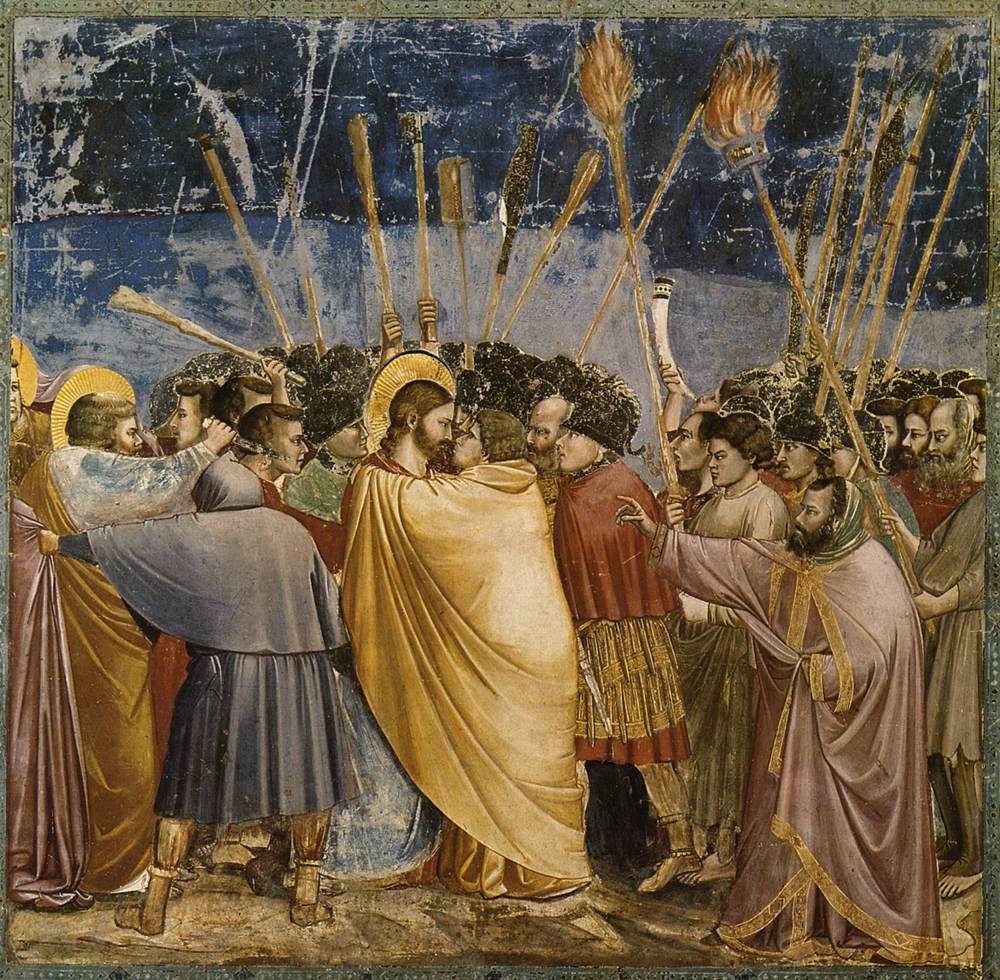
He was one of the Twelve – chosen after a night of prayer, sent out to preach and heal with the rest, trusted enough to carry the money bag (which, John notes acidly, he pilfered, John 12:6). The Gospels never explain him fully: greed is named (thirty pieces of silver – the compensation price of a slave, Exodus 21:32), Satan’s entry is named (Luke 22:3), and prophecy is fulfilled (Psalm 41:9, “he who ate my bread has lifted his heel against me”), yet Judas remains the New Testament’s darkest mystery: how a man could share three years of that company and choose this.
Jesus knew, and said so at the table – “one of you will betray me” – and still washed Judas’ feet, still handed him the morsel of honor. “And it was night” when he went out (John 13:21-30). In Gethsemane he chose the tenderest gesture in the culture for his signal: “the one I will kiss is the man.” Jesus’ reply held the door open to the last: “Friend, do what you came to do” (Matthew 26:47-50).
The morning after, Judas “changed his mind,” hurled the silver into the temple, confessed “I have sinned by betraying innocent blood” – to priests who shrugged – and hanged himself (Matthew 27:3-10). The tradition’s sorrow is that his remorse never became repentance: Peter’s failure that same night was as real, and Peter brought his back to Jesus. The blood money bought a burial field for strangers, and the church filled the empty office with Matthias (Acts 1:15-26).
In the New Testament
- The bargain (Matthew 26:14-16; Luke 22:3-6)
- The morsel and the night (John 13:21-30)
- The kiss and the arrest (Matthew 26:47-50)
- Remorse, death, and replacement (Matthew 27:3-10; Acts 1:15-26)
Key Locations
- The Upper Room The large furnished room in Jerusalem where the Last Supper was eaten and the disciples waited for Pentecost.
- Gethsemane The olive grove at the foot of the Mount of Olives where Jesus prayed in agony and was arrested.
- Jerusalem The holy city -- David's capital, the temple's home, the stage of the crucifixion, resurrection, and Pentecost.