
Joseph of Arimathea
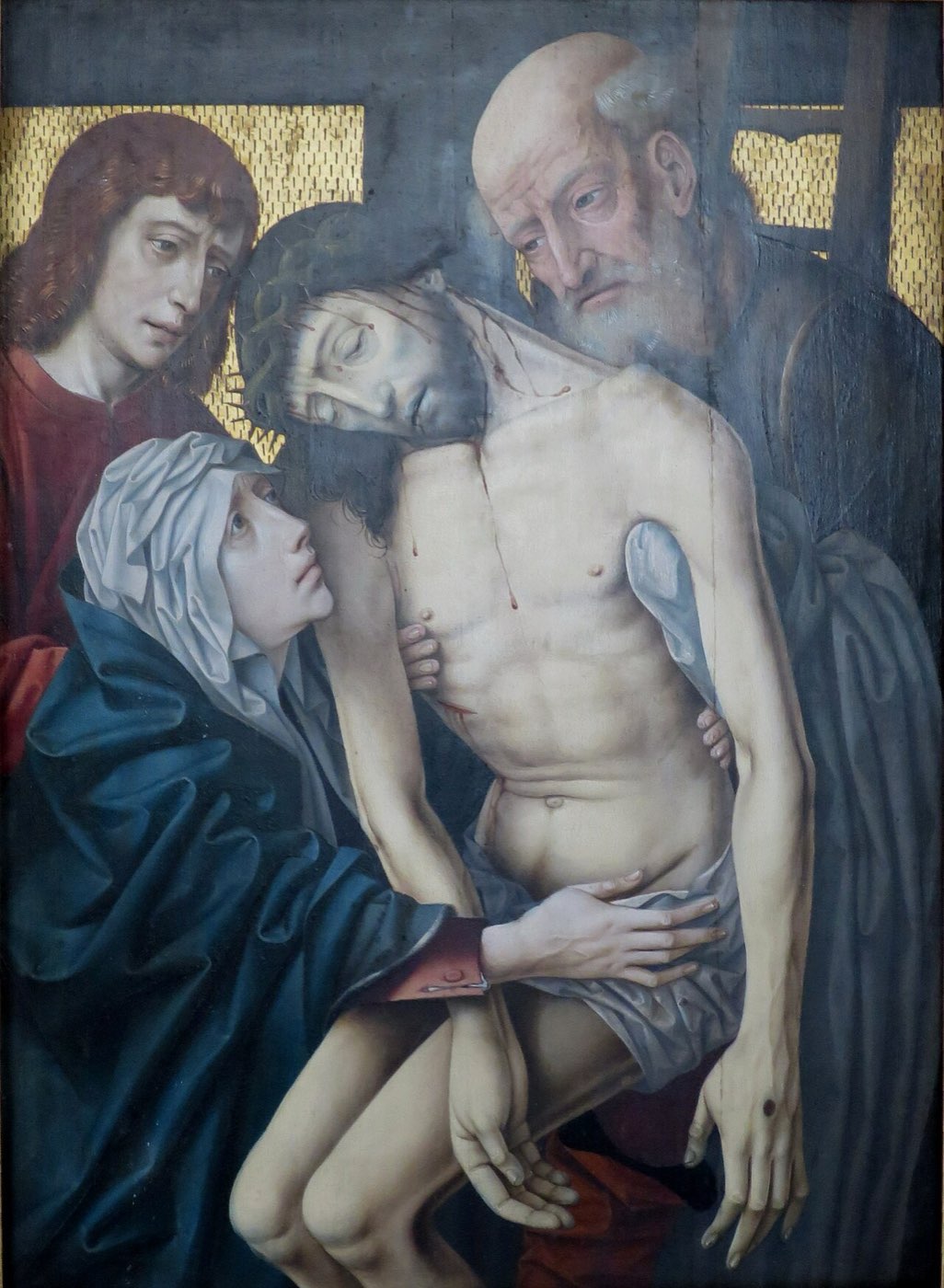
Each Gospel adds a stroke to his portrait: rich (Matthew), “a respected member of the council… looking for the kingdom of God” (Mark), “a good and righteous man, who had not consented to their decision” (Luke), “a disciple of Jesus, but secretly, for fear of the Jews” (John). Joseph of Arimathea had managed the difficult trick of following Jesus without it costing him anything – until the afternoon it could no longer be secret and safe at the same time.
He chose the worst possible moment to go public, which is to say the best. With Jesus dead, the movement scattered, and association now pure liability, Joseph “took courage and went to Pilate and asked for the body of Jesus” (Mark 15:43) – a request that outed him to the governor, the council, and history at once. With Nicodemus, his fellow secret believer, he wrapped the body with a royal weight of spices and laid it in his own new rock-hewn tomb before the Sabbath fell (John 19:38-42).
He thereby fulfilled a prophecy he could not have been consulting – “with a rich man in his death” (Isaiah 53:9) – and provided the resurrection with what it required: a known, sealed, findable tomb belonging to a named public figure. The secret disciple’s one open act became load-bearing for the gospel itself.
In the New Testament
- The request, the burial, the new tomb (Matthew 27:57-61; Mark 15:42-47; Luke 23:50-56; John 19:38-42)
Key Locations
- Golgotha / Calvary "The Place of the Skull" outside the city wall, where Jesus was crucified.
- The Garden Tomb The new rock-hewn tomb of Joseph of Arimathea, found empty on the third day.
- Jerusalem The holy city -- David's capital, the temple's home, the stage of the crucifixion, resurrection, and Pentecost.