
Gabriel
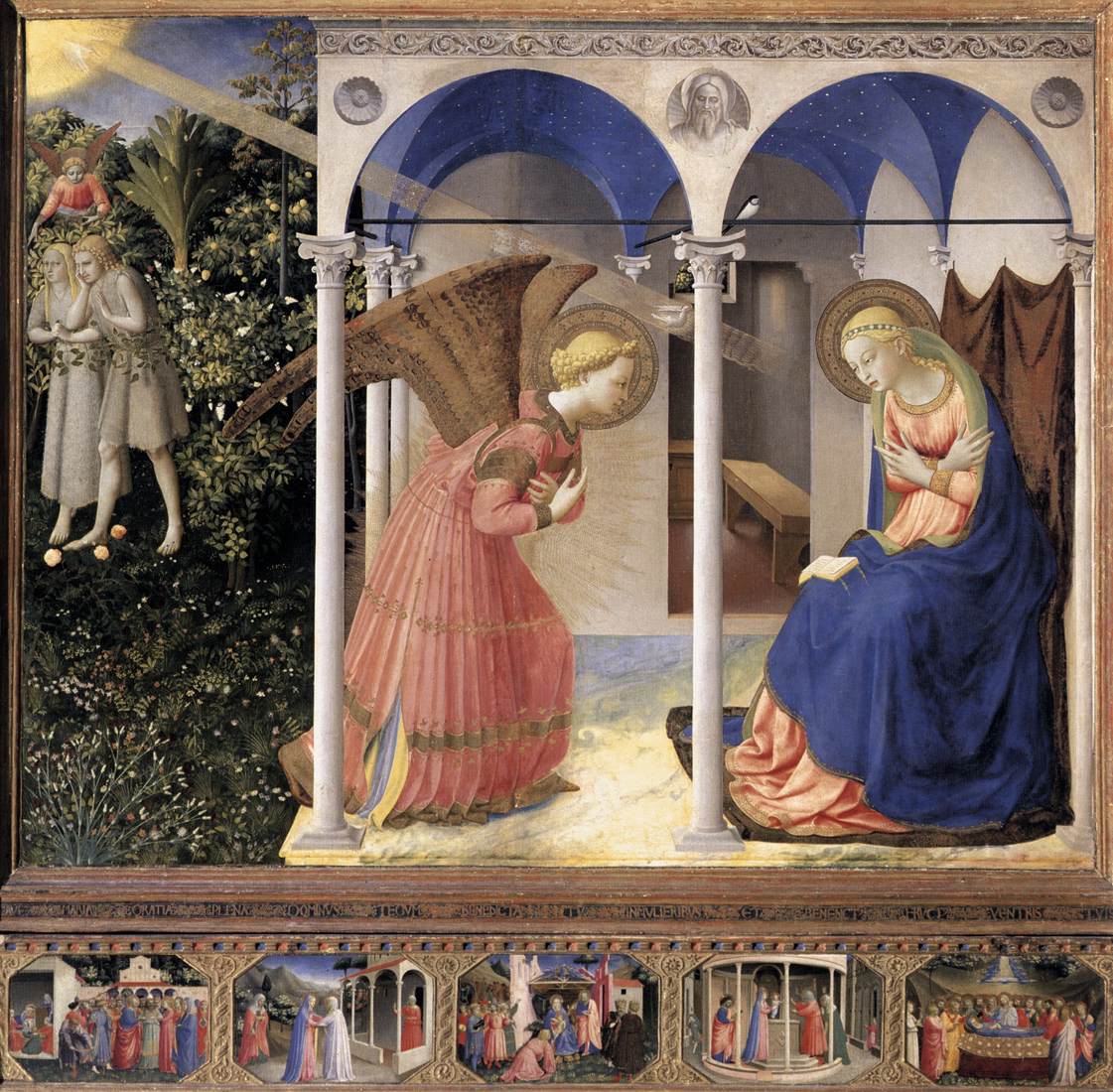
Only two angels are named in the Bible’s canonical books, and Gabriel is the messenger. He appears first to Daniel, interpreting visions of the end and delivering the seventy-weeks prophecy that set Israel counting toward Messiah (Daniel 8-9). So when Gabriel steps into Luke’s Gospel four hundred silent years later, the very name announces that the prophetic clock has struck.
He introduces himself with a job description: “I am Gabriel. I stand in the presence of God, and I was sent to speak to you and to bring you this good news” (Luke 1:19). Two errands, six months apart: to an old priest at the temple’s altar of incense, the promise of John; to a young woman in Nazareth, the announcement that has echoed through every Christmas since – “you will conceive in your womb and bear a son, and you shall call his name Jesus… the Holy Spirit will come upon you… nothing will be impossible with God” (Luke 1:26-38).
The two receptions make the story’s quiet lesson. Zechariah, the professional clergyman in the holiest workplace on earth, asked for proof and was silenced; Mary, the village girl, asked her question in faith and was honored. Gabriel delivers; how the word is received is up to the hearer.
In the New Testament
- The announcement to Zechariah (Luke 1:8-20)
- The annunciation to Mary (Luke 1:26-38)
- Old Testament background: Daniel 8:15-27; 9:20-27
Key Locations
- The Temple in Jerusalem The center of Israel's worship, rebuilt on a massive scale by Herod the Great.
- Nazareth The small Galilean hill town where Jesus grew up, so obscure it is never named in the Old Testament.