
Epaphras
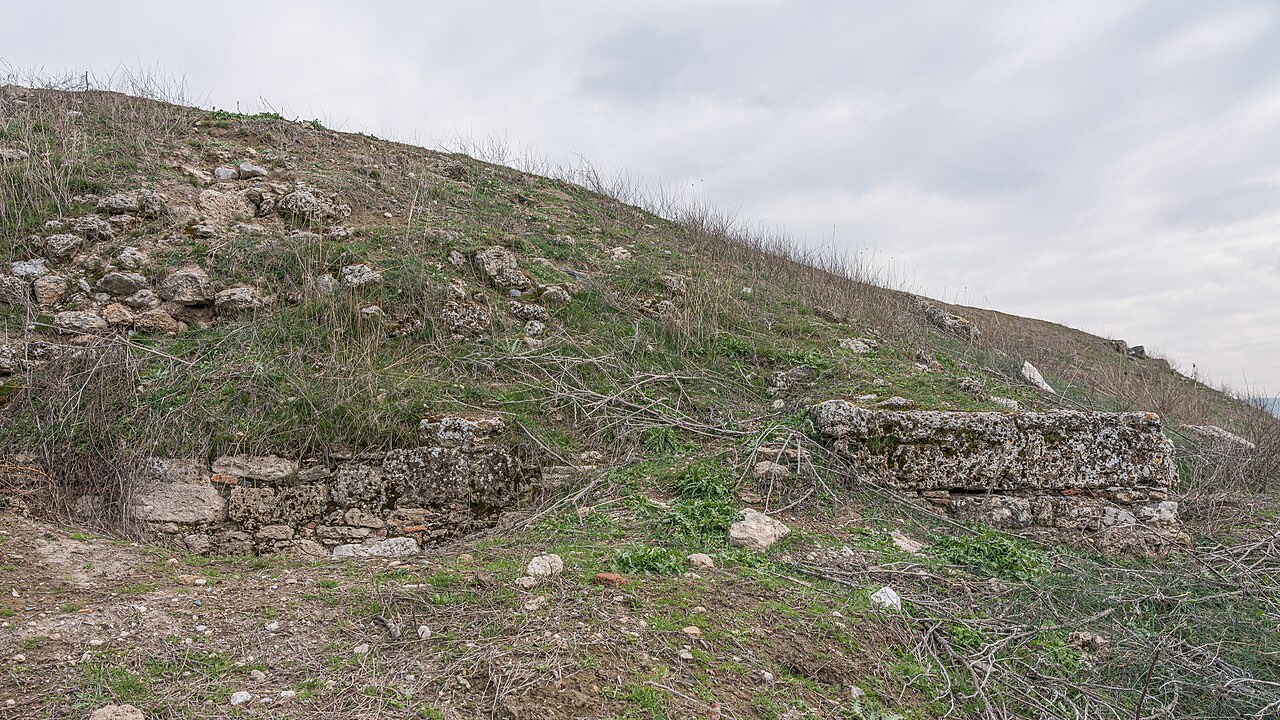
Paul never visited Colossae; Epaphras is the reason it heard the gospel anyway. A Colossian himself, apparently converted during Paul’s years in Ephesus, he carried the message the hundred miles home up the Lycus valley: “you learned it from Epaphras our beloved fellow servant. He is a faithful minister of Christ on your behalf” (Colossians 1:7). The valley’s other churches, Laodicea and Hierapolis, seem to have been his work too (Colossians 4:13). One local believer, evangelized in the big city, quietly accounted for three congregations.
When strange teaching crept into Colossae, Epaphras did not write the corrective letter – he traveled to Rome and fetched the man who could, bringing Paul the report that produced Colossians. And there he stayed, sharing the apostle’s confinement closely enough that Philemon 23 calls him “my fellow prisoner.”
His enduring portrait is a single verse, the New Testament’s job description for intercessors: “Epaphras, who is one of you… always struggling on your behalf in his prayers, that you may stand mature and fully assured in all the will of God” (Colossians 4:12) – the word is the agony-word, an athlete’s straining. Church planter, crisis courier, fellow prisoner; and what Paul chose to certify was how hard the man prayed: “I bear him witness that he has worked hard for you.”
In the New Testament
- Founder and faithful minister (Colossians 1:7-8)
- The wrestler in prayer (Colossians 4:12-13)
- Fellow prisoner (Philemon 23)