
Colossae
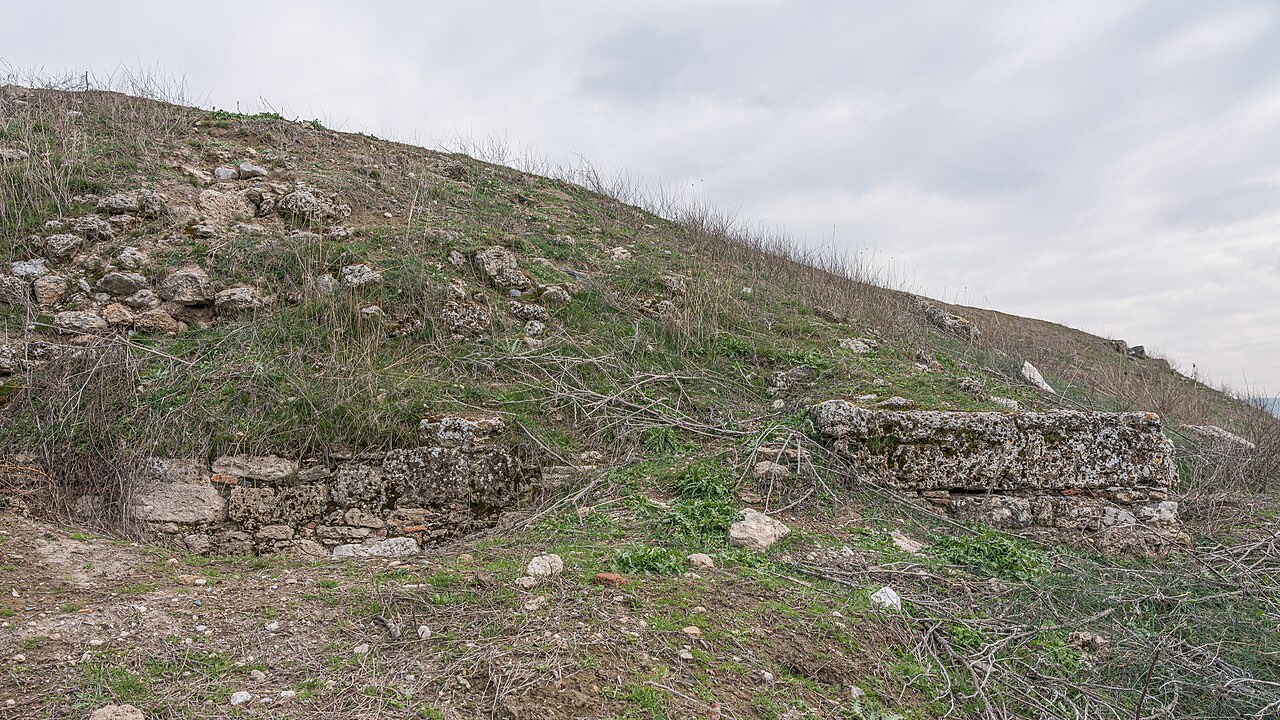
Colossae sat in the Lycus river valley a hundred miles inland from Ephesus, the little sister of its neighbors Laodicea and Hierapolis (Colossians 4:13). Once notable for its wool trade, by Paul’s day it was a fading town – and Paul himself had never been there. The church was planted by Epaphras, a Colossian converted during Paul’s Ephesian years, who carried the gospel home up the valley (Colossians 1:7; Acts 19:10).
Word came back to the imprisoned Paul of a strange teaching taking root – a blend of ascetic rules, visionary experiences, and the veneration of angelic powers. His answer is the most concentrated Christology he ever wrote: Christ “the image of the invisible God,” in whom all things were created, in whom “all the fullness of God was pleased to dwell,” who disarmed the rulers and authorities at the cross (Colossians 1:15-20; 2:13-15). Against a philosophy of shadows Paul set a single sufficiency: “you have been filled in him.”
The same courier bundle carried the tiny letter to Philemon, a Colossian householder, sending back the runaway Onesimus “no longer as a bondservant but… a beloved brother.” The town itself was wrecked by an earthquake within a few years and never truly recovered; its mound remains one of the last major New Testament sites still awaiting the spade – while the letter written to its little church keeps filling the world.
In the New Testament
- Epaphras and the founding of the church (Colossians 1:3-8; 4:12-13)
- The letter to the Colossians
- Philemon and Onesimus of Colossae (Philemon; Colossians 4:9)