
Barnabas
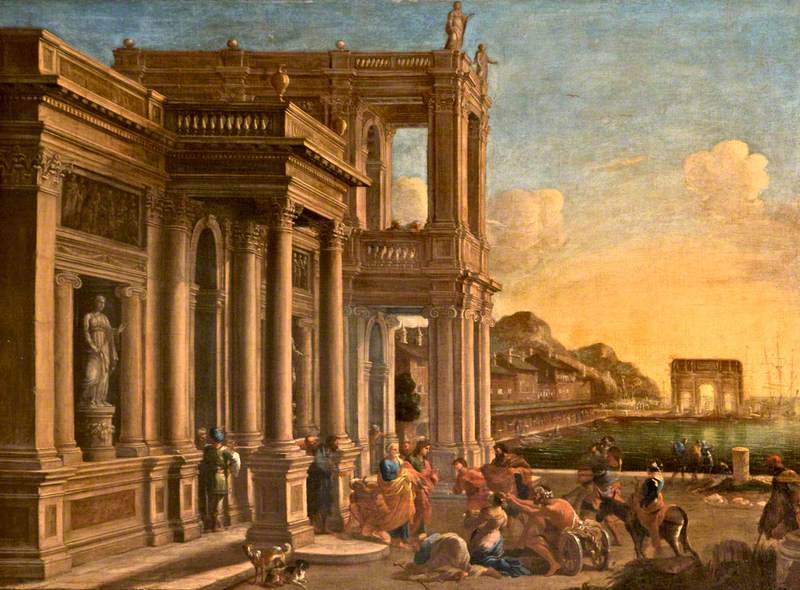
His given name was Joseph, a Levite from Cyprus; the apostles renamed him for his effect on people: Barnabas, “son of encouragement.” He enters Acts selling a field and laying the money at the apostles’ feet (Acts 4:36-37), and every later appearance repeats the shape of that first one: giving somebody else his standing.
When the converted Saul reached Jerusalem and the disciples “were all afraid of him,” it was Barnabas who took the risk, walked him in, and vouched for him (Acts 9:26-27). Sent to inspect the suspicious new Gentile church at Antioch, he “saw the grace of God, and was glad” – Luke pauses for a rare character reference: “he was a good man, full of the Holy Spirit and of faith” – and his next move was to fetch Saul from Tarsus to share the work (Acts 11:22-26). On the first missionary journey they sailed as “Barnabas and Saul”; somewhere in Cyprus the billing flipped to “Paul and Barnabas,” and the senior partner apparently never said a word about it.
His last scene is a quarrel that proves the nickname. Paul refused to take John Mark, the deserter of the first journey; Barnabas insisted on the second chance, “and there arose a sharp disagreement” – so they split, Barnabas taking Mark to Cyprus (Acts 15:36-39). The investment paid: years later Paul himself wrote, “Get Mark… he is very useful to me” (2 Timothy 4:11). Encouragers rarely get the last word; they get the results.
In the New Testament
- The generous Levite (Acts 4:36-37)
- Sponsor of Saul; builder of Antioch (Acts 9:26-27; 11:19-30)
- The first missionary journey (Acts 13-14)
- The council, the Antioch lapse, and the Mark dispute (Acts 15; Galatians 2:13)
Key Locations
- Cyprus Barnabas' home island and the first stop of the first missionary journey.
- Antioch The great city on the Orontes where believers were first called Christians and Paul's missions were launched.
- Jerusalem The holy city -- David's capital, the temple's home, the stage of the crucifixion, resurrection, and Pentecost.
- Lystra The Lycaonian town that hailed Paul as a god, then stoned him -- and gave him Timothy.