
Antioch
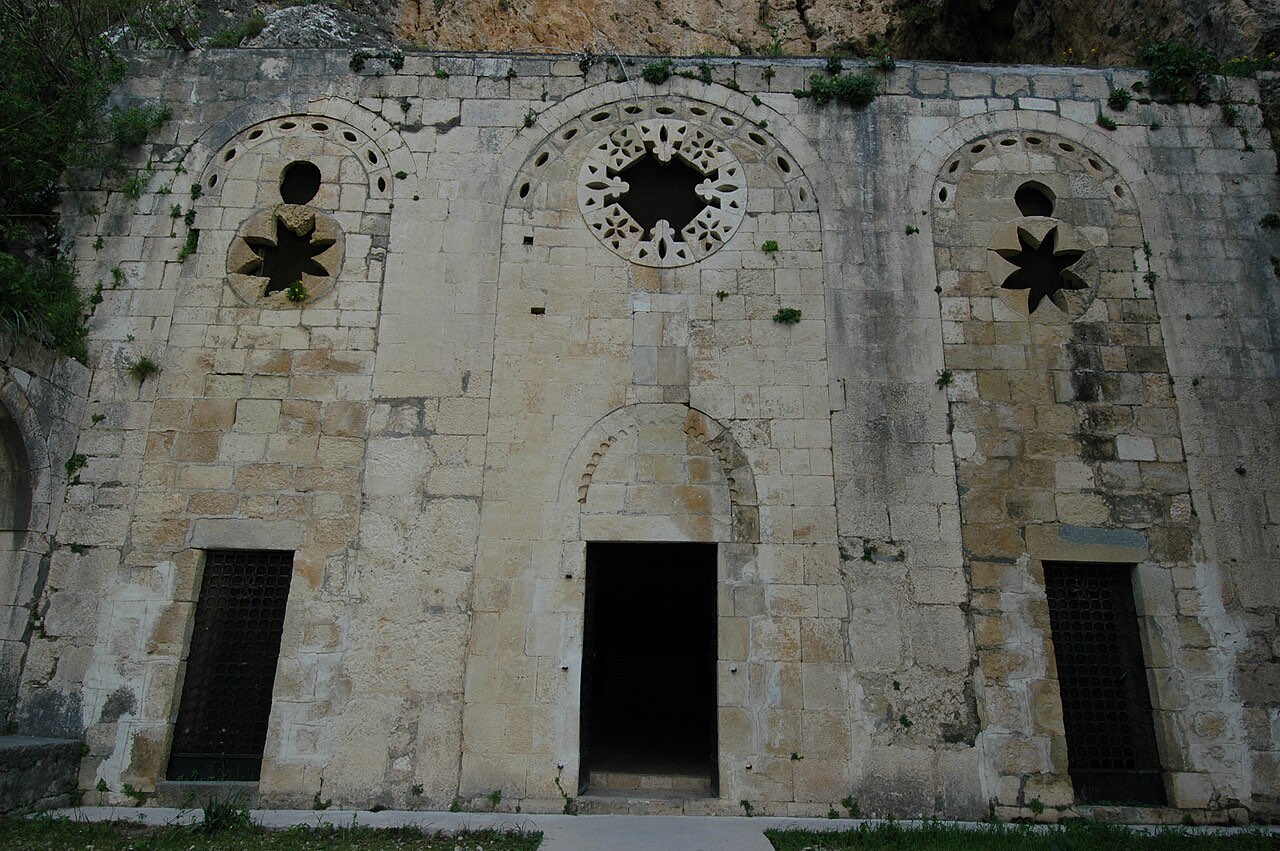
Antioch on the Orontes was the third city of the Roman Empire, after Rome and Alexandria – half a million people, Greek in culture, Syrian in location, notorious for its pleasures and famous for its size. When persecution scattered the Jerusalem believers, some of them arrived here and did something new: they preached Jesus not only to Jews but to Greeks, “and a great number who believed turned to the Lord” (Acts 11:19-21).
Antioch became the church’s second capital, and in some ways its first frontier town. Barnabas fetched Saul from Tarsus to help teach the swelling congregation; the mixed community needed a new name, and got one – “in Antioch the disciples were first called Christians” (Acts 11:26). The church’s leadership list reads like the empire in miniature: a Cypriot Levite, a man called Niger, a Cyrenian, a courtier of Herod’s, and a Pharisee from Tarsus (Acts 13:1). While they worshiped and fasted, the Spirit said, “Set apart for me Barnabas and Saul” – and every missionary journey in Acts sails from Antioch’s port and reports back to Antioch’s church (Acts 13-14; 15:36-41; 18:22-23).
It was also here that the gospel’s biggest fight broke out – whether Gentile believers must keep the law – carried from Antioch to the Jerusalem council and back with the liberating answer (Acts 15). Paul’s public confrontation of Peter over table fellowship happened at Antioch too (Galatians 2:11-14): this city kept forcing the church to decide what grace really meant.
In the New Testament
- The first Gentile-majority church; “Christians” coined (Acts 11:19-26)
- Famine relief sent from Antioch (Acts 11:27-30)
- The sending of Barnabas and Saul (Acts 13:1-3)
- The circumcision controversy and the council’s letter (Acts 14:26-15:35)
- Paul confronts Peter at Antioch (Galatians 2:11-14)