
Lystra
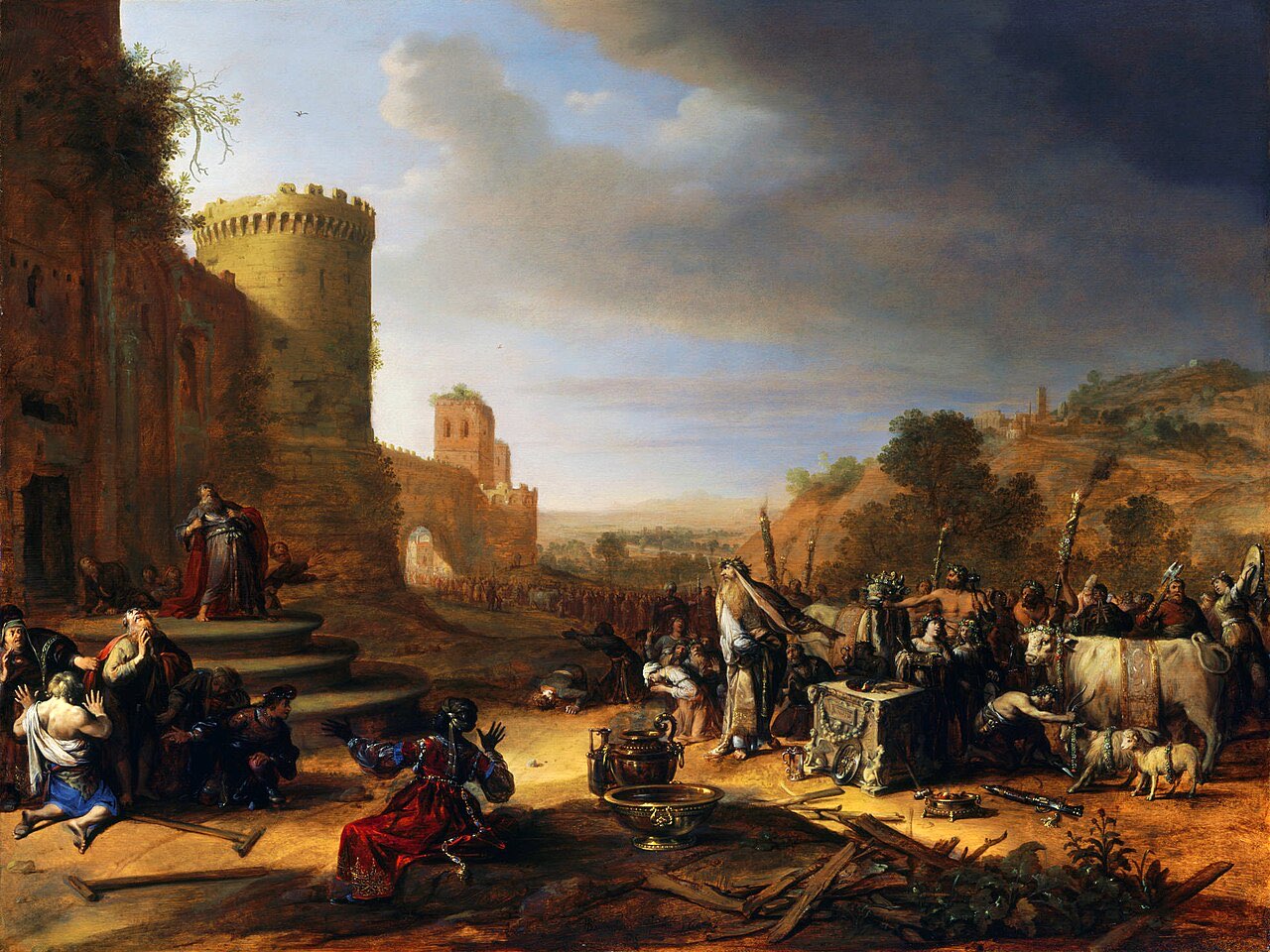
Lystra was a minor Roman colony on the Lycaonian plain, off the main roads and largely untouched by the synagogue network – when Paul preached here, he was addressing raw paganism for the first time. The results were chaotic. After Paul healed a man lame from birth, the crowds shouted in their own Lycaonian dialect, “The gods have come down to us in the likeness of men!” – Barnabas was Zeus, Paul was Hermes, and the priest of Zeus arrived with oxen and garlands to sacrifice to them. The apostles tore their garments and barely restrained the crowd with the region’s first natural-theology sermon: turn from these vain things to the living God who gives “rains and fruitful seasons” (Acts 14:8-18).
The same crowd, worked over by agitators from Antioch and Iconium, then stoned Paul and dragged him out of the city as dead. He got up, walked back in, and left for Derbe the next day (Acts 14:19-20) – the episode behind “once I was stoned” (2 Corinthians 11:25) and the marks of Jesus he carried on his body (Galatians 6:17).
Lystra’s finest gift came later: on the return visit Paul found there a young disciple named Timothy, son of a believing Jewish mother and a Greek father, and took him along (Acts 16:1-3). The town that stoned Paul supplied his dearest coworker – a boy who had likely watched the stoning, and followed anyway (2 Timothy 3:10-11).
In the New Testament
- The healing, the attempted sacrifice, and the stoning (Acts 14:8-20)
- Timothy of Lystra joins Paul (Acts 16:1-3)
- Paul reminds Timothy of what happened there (2 Timothy 3:10-11)