
Apollos
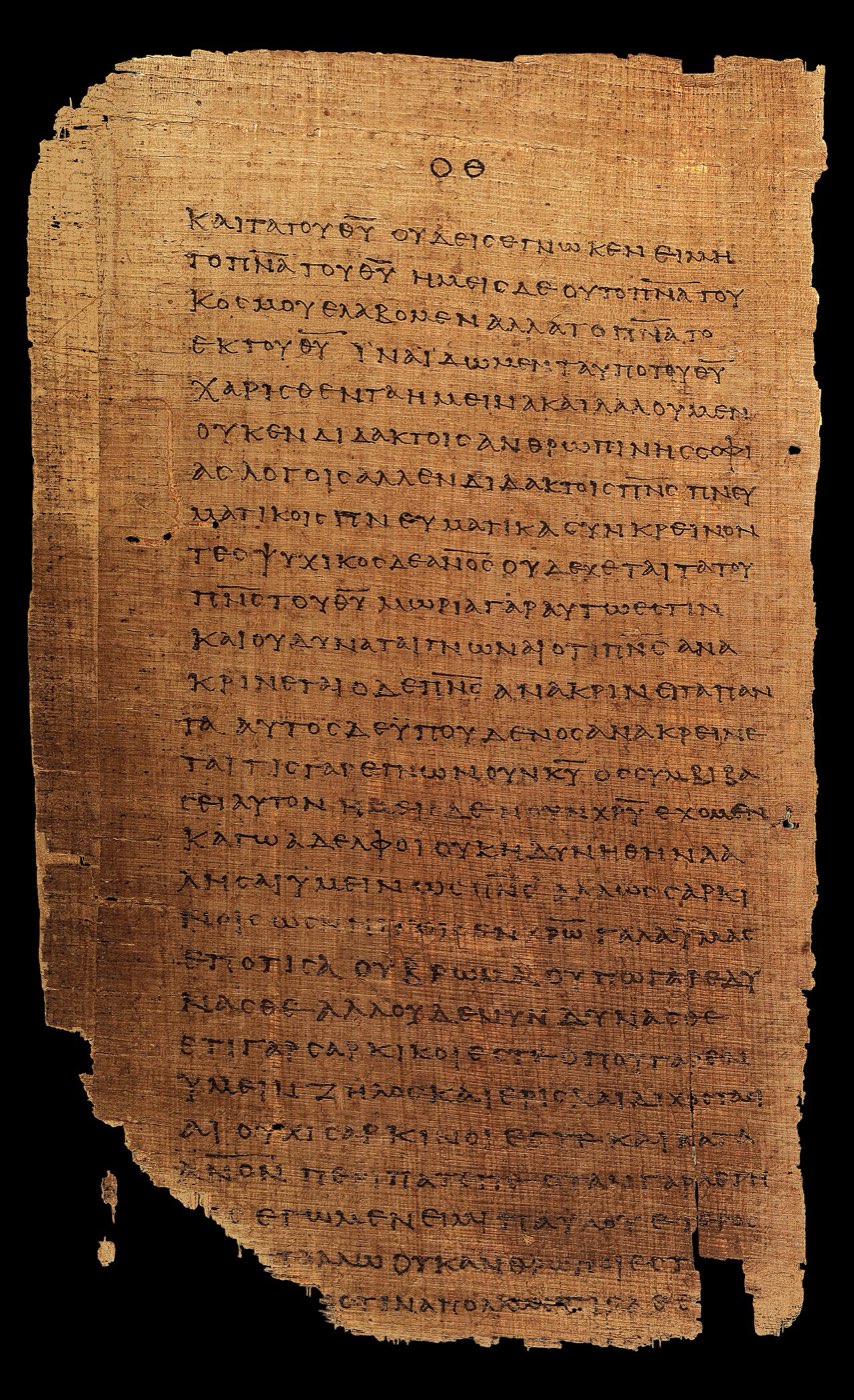
He arrived in Ephesus trailing superlatives: “a Jew… a native of Alexandria, an eloquent man, competent in the Scriptures… fervent in spirit” – and incomplete, knowing “only the baptism of John” (Acts 18:24-25). Alexandria’s synagogue culture had given him rhetoric and the Septuagint; Priscilla and Aquila, hearing him preach, gave him the rest, privately and kindly: “they took him aside and explained to him the way of God more accurately.” The great talent’s willingness to be taught by two tentmakers is the hinge of his story.
Fully equipped, he crossed to Corinth with letters of recommendation and “greatly helped those who through grace had believed, for he powerfully refuted the Jews in public, showing by the Scriptures that the Christ was Jesus” (Acts 18:27-28). He was so effective that Corinth’s faction-makers drafted him into their party games – “I follow Paul,” “I follow Apollos” – a rivalry the principals themselves refused. Paul’s verdict on their partnership is the New Testament’s model of ministry teamwork: “I planted, Apollos watered, but God gave the growth… he who plants and he who waters are one” (1 Corinthians 3:4-9), and Paul later urged him warmly to revisit Corinth (1 Corinthians 16:12).
His eloquence and Alexandrian pedigree have made him many scholars’ favorite guess for the anonymous author of Hebrews – unprovable, but the sermon-letter’s polished Greek and Septuagint mastery fit the man Luke describes.
In the New Testament
- Instructed at Ephesus (Acts 18:24-26)
- Powerful ministry at Corinth (Acts 18:27-28)
- Factions refused; partnership affirmed (1 Corinthians 1:12; 3:4-9; 16:12; Titus 3:13)