
Week 46: Memory Verse
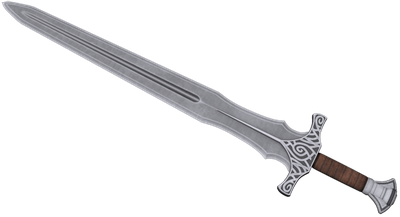
Hebrews 4:12 is the Bible’s most vivid description of its own power. The word of God is not an inert text to be studied at a safe distance but a living agent that reads its readers. The author uses surgical imagery — a two-edged sword that cuts between soul and spirit, joints and marrow — to convey the terrifying precision with which God’s word penetrates human self-deception. You do not simply interpret Scripture; Scripture interprets you.
The context makes this even more pointed. The author has just warned against the example of Israel in the wilderness, who heard God’s word and refused to obey (Hebrews 3:7-4:11). The warning is that hearing without obeying is not merely ineffective — it is dangerous, because the same word that offers rest also exposes rebellion. The verse functions as both promise and warning: the word that heals is also the word that wounds, and no thought or intention is hidden from its gaze. For the reader willing to be exposed, this is the best possible news. For the reader determined to hide, it is the most frightening.
Connections This Week
- Day 2 — The author introduces this verse in the context of the Sabbath rest and the urgency of hearing God's voice today, warning that the word that promises rest also exposes unbelief
- Day 1 — The comparison of Jesus to Moses in Hebrews 3 sets up the warning: if Israel failed to enter rest because they hardened their hearts against God's word, how much greater is the danger of ignoring the word spoken through Christ
- Day 5 — Melchizedek's priesthood in Hebrews 7 demonstrates the same principle at work: the word of God reshapes categories, replacing the Levitical system with something older, higher, and permanent
Discussion
Comments are powered by GitHub Discussions. To post, sign in with your GitHub account using the link below the reaction icons.