
Week 45: Memory Verse
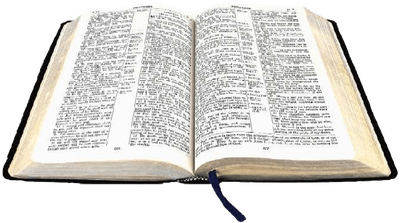
Second Timothy 3:16-17 is the New Testament’s foundational statement about the nature and purpose of Scripture. The word theopneustos — “God-breathed” — appears nowhere else in the Bible. Paul is not saying that God dictated words but that Scripture originates from God’s own creative breath, the same breath that brought the world into being (Genesis 2:7, Psalm 33:6). This gives Scripture its unique authority: it is not merely human reflection on divine things but divine communication through human authors.
What is equally striking is Paul’s emphasis on the purpose of Scripture. It is not given for academic study or theological debate alone but for four practical functions: teaching (what is true), reproof (what is wrong), correction (how to get right), and training in righteousness (how to stay right). The goal is not information but formation — that the person of God may be “complete” and “equipped.” Paul writes this as his last letter, knowing death is near (2 Timothy 4:6). His final legacy to Timothy is not a system of theology but a direction: stay in the Scriptures, and they will make you into everything God intends.
Connections This Week
- Day 2 — Paul writes these words to Timothy in the context of warning about difficult times, where the reliability of Scripture stands as the antidote to deception and moral decay
- Day 3 — Paul's farewell in 2 Timothy 4, where he declares 'I have fought the good fight,' flows directly from his confidence in the Scripture that sustained him through every trial
- Day 4 — The opening of Hebrews, declaring that God has spoken through his Son, extends this principle: the God who breathed out Scripture has now spoken his final word in Christ
Discussion
Comments are powered by GitHub Discussions. To post, sign in with your GitHub account using the link below the reaction icons.