
Simon of Cyrene
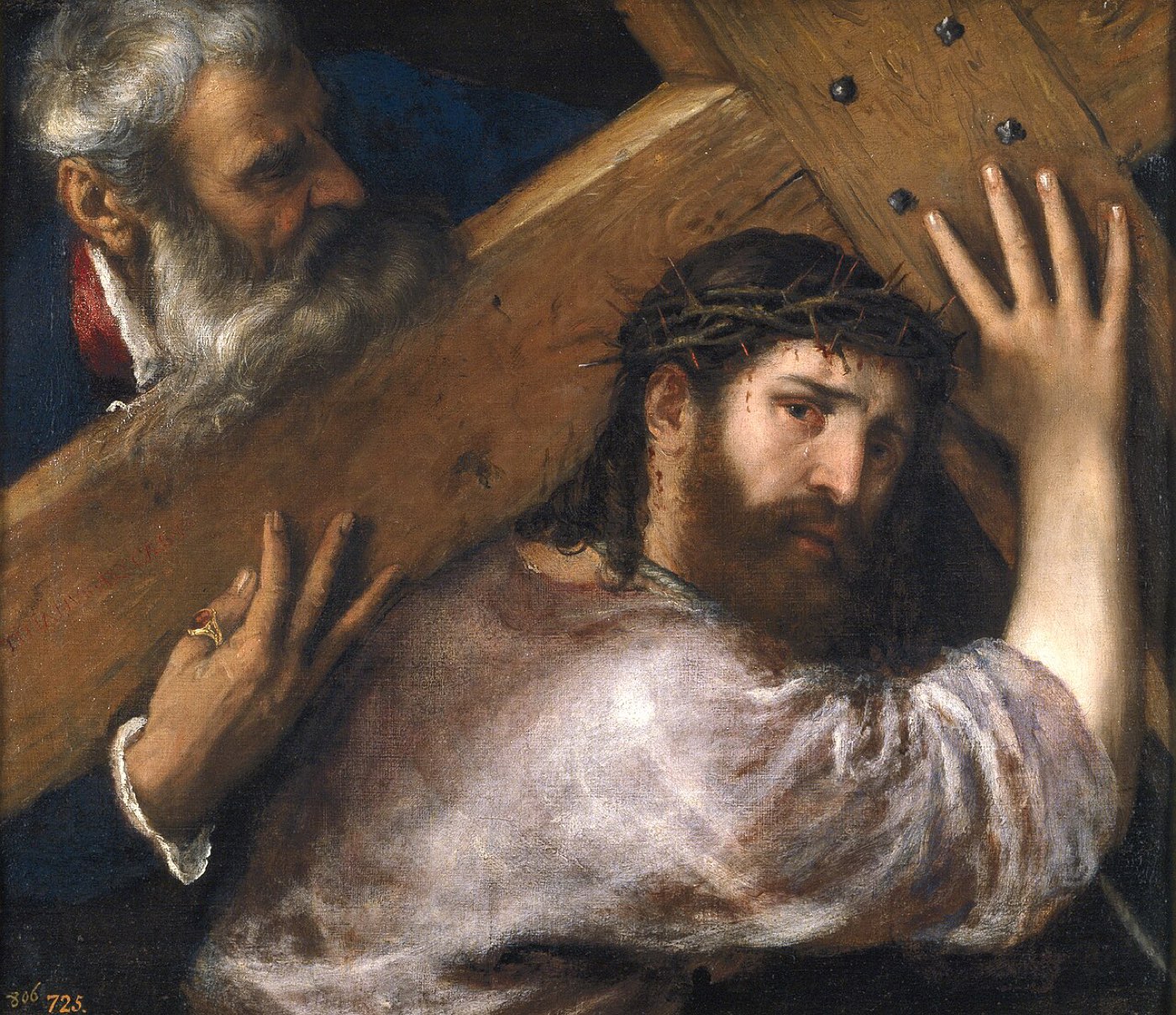
He was a pilgrim with terrible timing: Simon, from Cyrene in North Africa, “coming in from the country” as the execution detail passed, when a soldier’s spear-tap conscripted him under Rome’s right of requisition. “They compelled a passerby… to carry his cross” (Mark 15:21). The scourged prisoner could no longer manage the beam; a stranger’s shoulders were volunteered.
Mark identifies him for his readers with a striking aside: “the father of Alexander and Rufus” – names that only make sense if Mark’s Roman audience knew the sons. Paul greets a Rufus “chosen in the Lord” and his mother at Rome (Romans 16:13); many readers ancient and modern have connected the dots: the man forced into the Passion seems to have founded a family in the faith. What began as compulsion apparently ended as discipleship.
The church has always seen its own portrait in him. Jesus had said, “If anyone would come after me, let him deny himself and take up his cross and follow me” (Mark 8:34) – and the first person ever to do it literally was a bystander who did not choose it, walking behind Jesus under the weight of his cross. Grace has conscripted people at roadsides ever since.
In the New Testament
- Compelled to carry the cross (Matthew 27:32; Mark 15:21; Luke 23:26)
- The possible family trail: Rufus at Rome (Romans 16:13); men of Cyrene in the church (Acts 11:20; 13:1)
Key Locations
- Golgotha / Calvary "The Place of the Skull" outside the city wall, where Jesus was crucified.
- Jerusalem The holy city -- David's capital, the temple's home, the stage of the crucifixion, resurrection, and Pentecost.