
The Shepherds
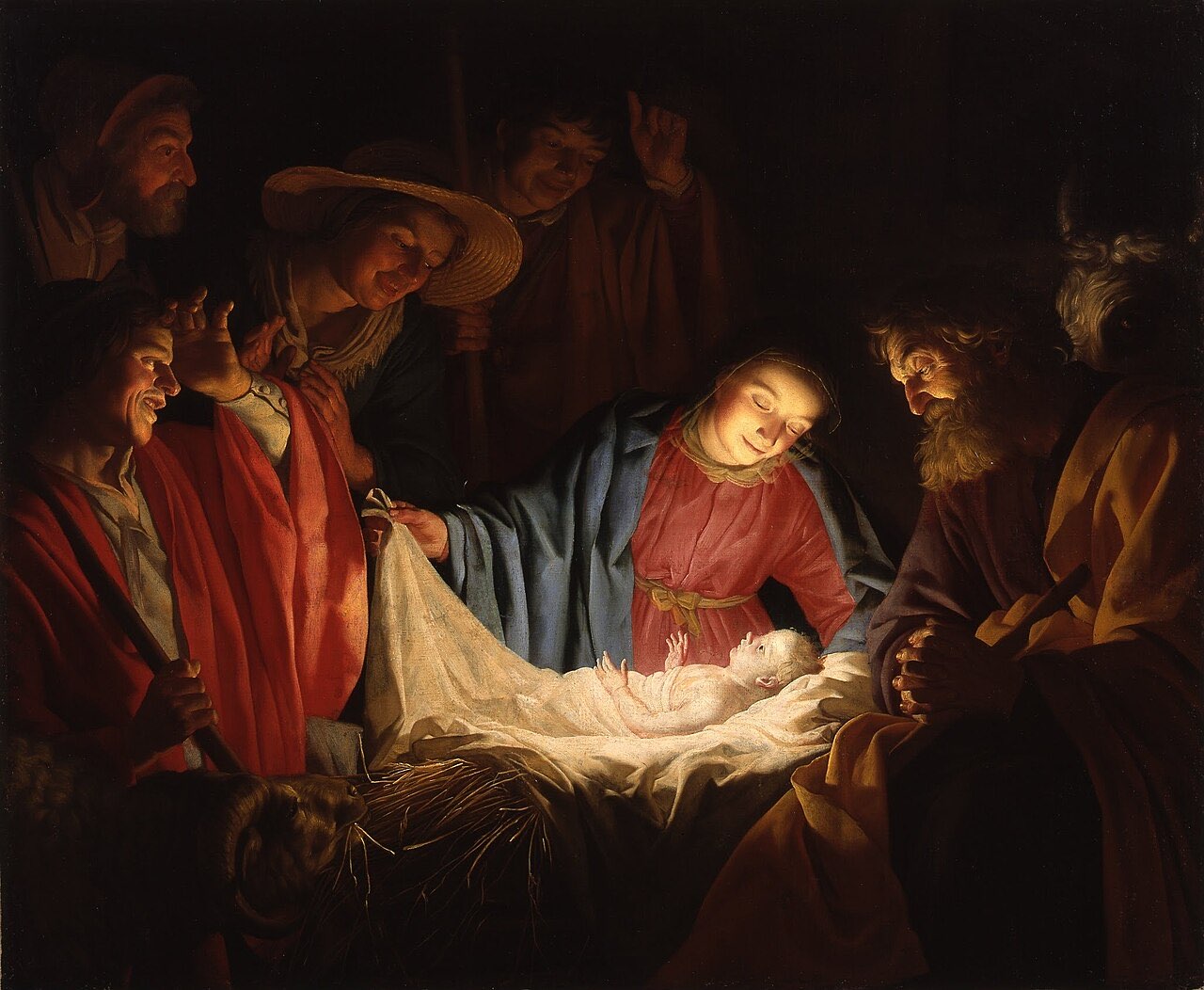
When the most important birth in history was announced, the invitation list bypassed Herod’s palace, the temple establishment, and Rome itself, and went to men watching sheep in the dark. Shepherds ranked low in first-century esteem – outdoor laborers whose work kept them from ritual niceties – and they are exactly whom the angel addressed: “Fear not, for behold, I bring you good news of great joy that will be for all the people. For unto you is born this day in the city of David a Savior, who is Christ the Lord” (Luke 2:10-11).
The sign fit the audience: not a crown but a manger – a feeding trough these working men would recognize with their eyes shut. They went “with haste,” found everything as promised, told what they had been told, and headed back to the flocks “glorifying and praising God” (Luke 2:16-20). The Gospel’s first evangelists were sheep-keepers reporting a Lamb.
There is an old suggestion, impossible to prove and lovely to consider, that flocks pastured near Bethlehem supplied the temple’s sacrifices – in which case the men who kept lambs for the altar were first to see the Lamb of God. Either way, Luke’s point stands: from the first night, this Savior belonged to ordinary people on the night shift.
In the New Testament
- The announcement and the sign (Luke 2:8-14)
- The visit to the manger and the first telling (Luke 2:15-20)
Key Locations
- Bethlehem The city of David, where Jesus was born in fulfillment of Micah's prophecy.