
The Poor Widow
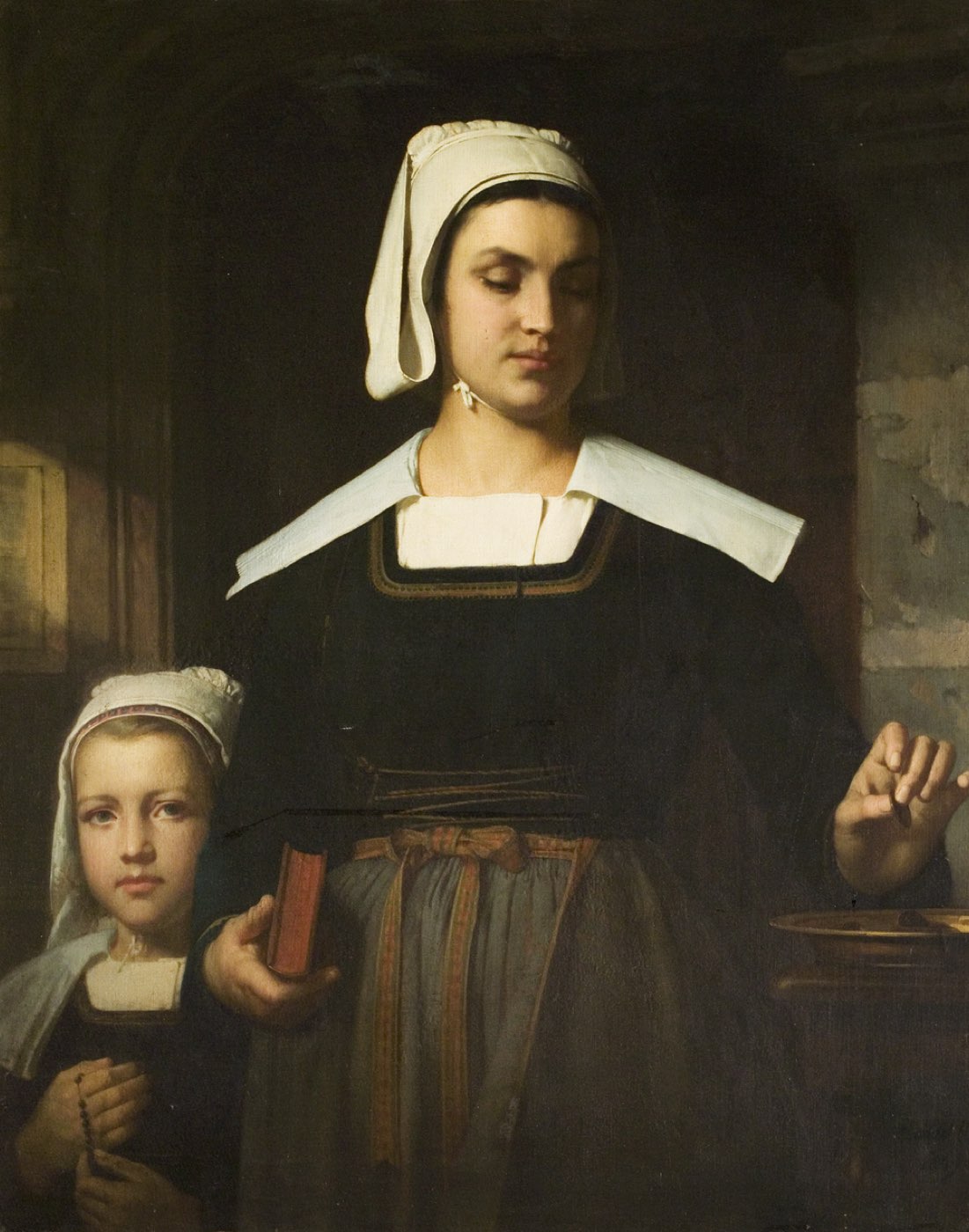
It was Passion Week, and Jesus had just finished flaying the scribes who “devour widows’ houses and for a pretense make long prayers” (Mark 12:40). Then he sat down opposite the treasury and watched the offerings – rich donors putting in large sums with satisfying clatter into the trumpet-shaped chests – until a poor widow dropped in “two small copper coins, which make a penny” (Mark 12:41-42). Two lepta: the smallest coins in circulation, together worth a laborer’s few minutes.
Jesus called the disciples over for the Gospels’ only audited offering: “this poor widow has put in more than all those who are contributing… For they all contributed out of their abundance, but she out of her poverty has put in everything she had, all she had to live on” (Mark 12:43-44). Heaven’s accounting measures not the gift but the remainder – and hers was zero.
She never learns she was seen; she walks out of Scripture as anonymously as she entered, having preached, without a word, the sermon Jesus chose as his last public commentary before leaving the temple forever. In the shadow of chests she could barely reach, a widow out-gave the establishment that was devouring widows’ houses.
In the New Testament
- The widow’s offering (Mark 12:41-44; Luke 21:1-4)
Key Locations
- The Temple in Jerusalem The center of Israel's worship, rebuilt on a massive scale by Herod the Great.