
The Pharisee and the Tax Collector
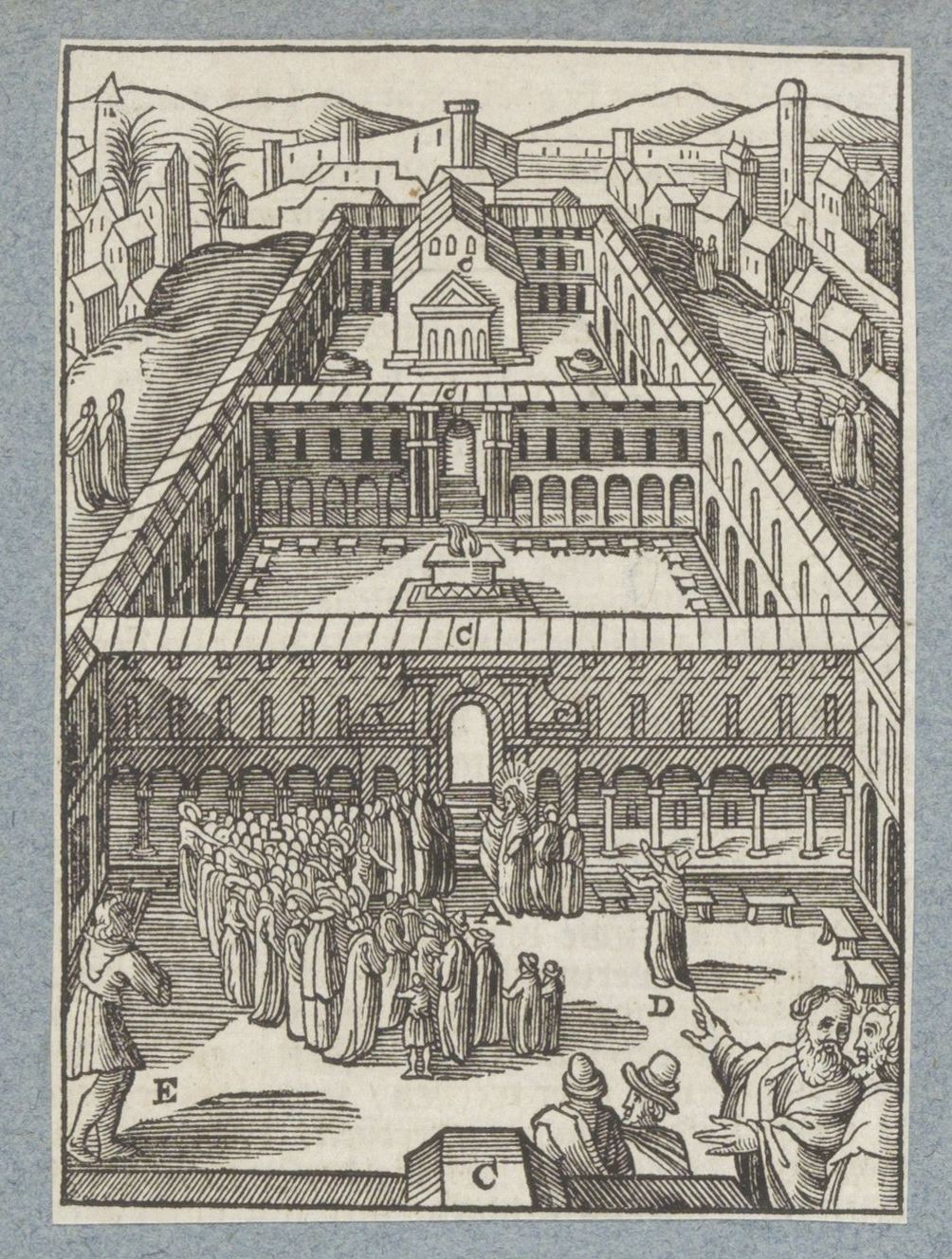
Luke labels the target audience before the story starts: “He also told this parable to some who trusted in themselves that they were righteous, and treated others with contempt” (Luke 18:9). Two men went up to the temple to pray – the most respected figure in the culture, and the most despised.
The Pharisee’s prayer is a masterpiece of self-congratulation addressed to God: “God, I thank you that I am not like other men, extortioners, unjust, adulterers, or even like this tax collector” – prayer as press release, with a competitor comparison built in. His resume was real: fasting twice a week and tithing everything went beyond the law’s demands. The tax collector, “standing far off, would not even lift up his eyes to heaven, but beat his breast, saying, ‘God, be merciful to me, a sinner!’” – seven words in the Greek, no achievements, no comparisons, only a plea that God’s mercy would cover him specifically (Luke 18:10-13).
Jesus’ verdict overturned every assumption in the room: “I tell you, this man went down to his house justified, rather than the other.” Justified – Paul’s great courtroom word, spoken by Jesus over a praying crook who brought nothing but need. “For everyone who exalts himself will be humbled, but the one who humbles himself will be exalted” (Luke 18:14). The parable is the doctrine of justification by faith told as a two-character play.
In the New Testament
- The parable of the Pharisee and the tax collector (Luke 18:9-14)
Key Locations
- The Temple in Jerusalem The center of Israel's worship, rebuilt on a massive scale by Herod the Great.