
The Paralytic's Friends
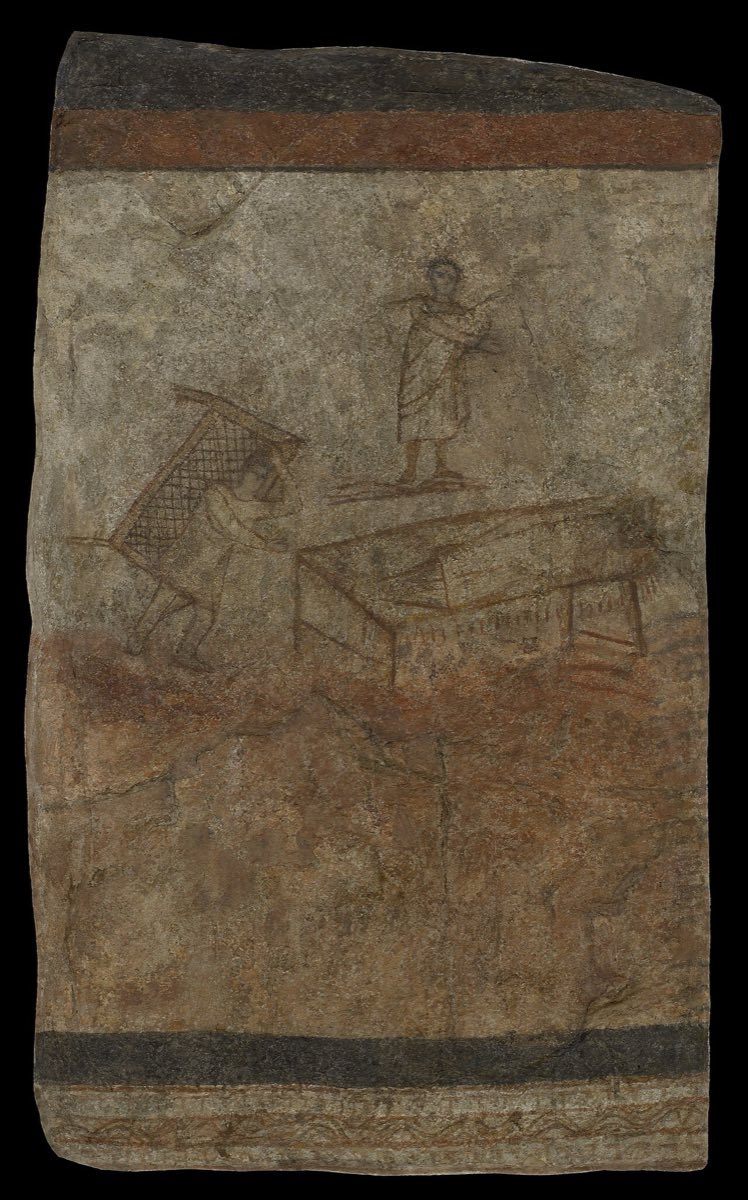
They have no names, no lines, and one of the Gospels’ greatest compliments. When Jesus taught in a packed Capernaum house, four men arrived carrying a paralyzed friend on his mat – too late for the door, and unwilling to accept it. They hauled him up the outside stair, “removed the roof above him, and when they had made an opening, they let down the bed” – dirt, tiles, and daylight raining on the sermon below (Mark 2:1-4).
Mark’s next clause is the heart of the story: “And when Jesus saw their faith, he said to the paralytic, ‘Son, your sins are forgiven.’” The faith Jesus honored was corporate – four stretcher-bearers’ worth of stubborn, sweating, property-damaging conviction that if they could just get their friend to Jesus, Jesus would do the rest. The scribes’ silent objection (“Who can forgive sins but God alone?”) turned the healing into a proof: “that you may know that the Son of Man has authority on earth to forgive sins – I say to you, rise, pick up your bed, and go home” (Mark 2:5-12).
The friends model something every small group and every praying parent recognizes: carrying someone who cannot come on his own, and refusing to be stopped by a crowd or a ceiling. The oldest surviving Christian depiction of the scene, painted on a house-church wall within two centuries of the event, shows the ending they made possible: a man walking home with his bed on his back.
In the New Testament
- The healing of the paralytic (Mark 2:1-12; Matthew 9:1-8; Luke 5:17-26)
Key Locations
- Capernaum The fishing town on the lake's north shore that became Jesus' adopted home base.