
The Man Born Blind
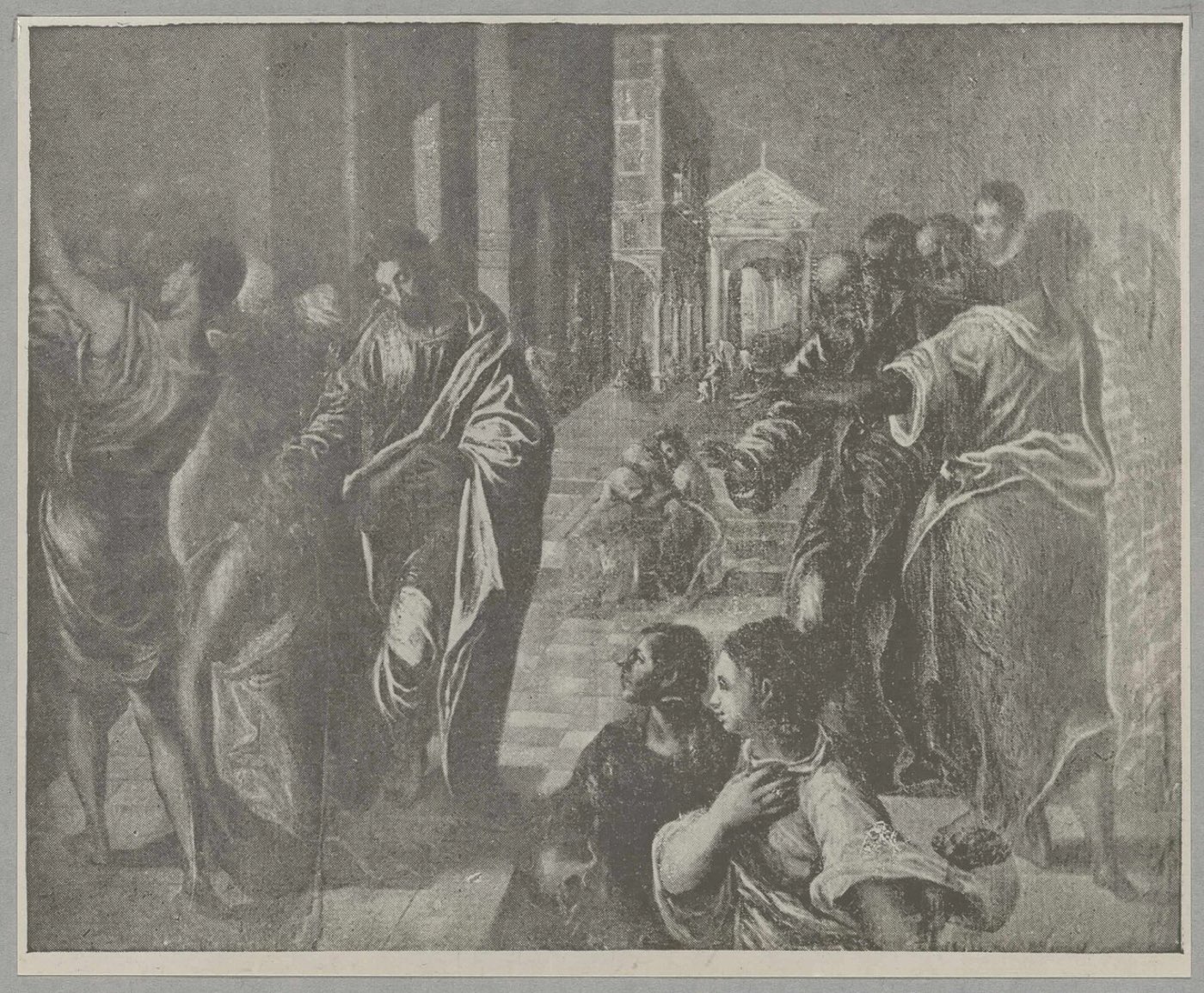
The disciples saw a theological puzzle: “Rabbi, who sinned, this man or his parents, that he was born blind?” Jesus refused the whole question – “It was not that this man sinned, or his parents, but that the works of God might be displayed in him” – then made mud, anointed his eyes, and sent him to wash in the pool called Sent (John 9:1-7). He came back seeing, and his troubles began.
John 9 is the Gospels’ courtroom comedy. The Pharisees interrogate him twice; his frightened parents plead the ancient equivalent of the Fifth (“he is of age; ask him”); and with every round the beggar grows bolder while the experts grow blinder. His testimony never overreaches: “Whether he is a sinner I do not know. One thing I know: I was blind, and now I see.” By the second hearing he is lecturing the theologians – “Why, this is an amazing thing! You do not know where he comes from, and yet he opened my eyes” – and they excommunicate him for it (John 9:24-34).
Cast out of the synagogue, he was sought out by Jesus – the Gospels’ pattern in miniature – and given the one thing better than sight: “‘Do you believe in the Son of Man?’… ‘Lord, I believe,’ and he worshiped him” (John 9:35-38). The chapter closes on Jesus’ verdict over the whole proceeding: the blind man sees, and the seeing have chosen blindness.
In the New Testament
- The healing and the trial (John 9)
Key Locations
- The Pool of Siloam The pool at the south end of Jerusalem where the man born blind washed and came back seeing.
- Jerusalem The holy city -- David's capital, the temple's home, the stage of the crucifixion, resurrection, and Pentecost.