
The Magi
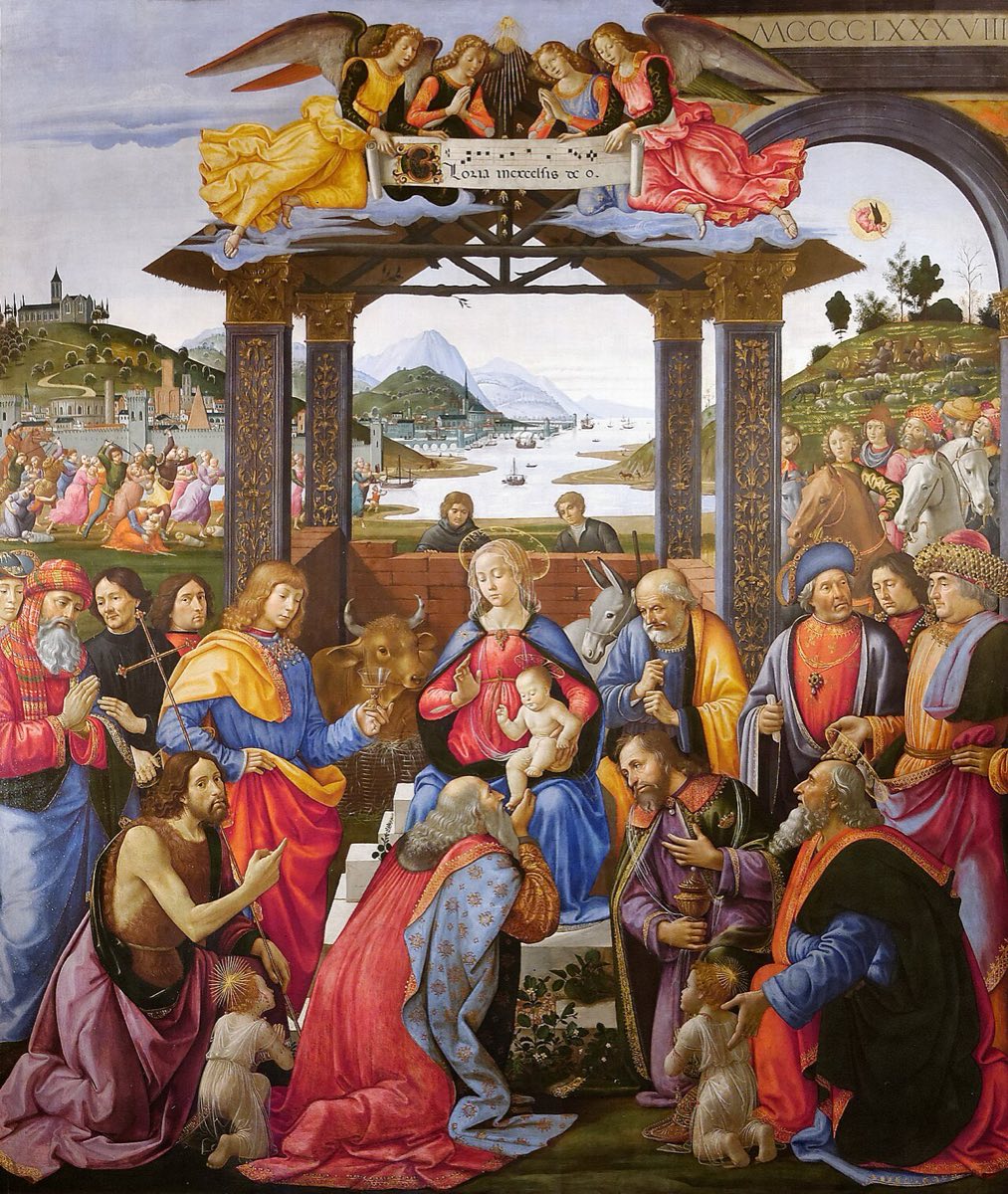
Matthew calls them magoi – the scholar-caste of the East, likely from Persia or Babylon, students of stars and texts. Centuries earlier, Babylon had hosted a Jewish exile named Daniel, chief of just such wise men; whatever they knew of “the king of the Jews,” they knew enough to cross hundreds of miles of desert when the star rose. Tradition made them three kings named Caspar, Melchior, and Balthazar; Matthew counts only their gifts.
Their arrival is thick with irony. The Gentile astrologers came to worship Israel’s king; Israel’s chief priests, asked where Messiah would be born, quoted Micah 5:2 flawlessly – and stayed home. Herod, “troubled, and all Jerusalem with him,” reached for a knife. The star led the travelers to a house in Bethlehem, “and going into the house, they saw the child with Mary his mother, and they fell down and worshiped him” (Matthew 2:11). Gold, frankincense, and myrrh have been read since the church’s earliest centuries as a sermon in three gifts: royalty, deity, and a death anticipated.
Warned in a dream, “they departed to their own country by another way” (Matthew 2:12) – the first of millions of Gentiles to come to Israel’s Messiah, and a down payment on Isaiah’s promise that nations would come to his light.
In the New Testament
- The star, the search, and the worship (Matthew 2:1-12)
- The prophecy they unwittingly fulfilled (Isaiah 60:1-6; Psalm 72:10-11)