
James, the Brother of the Lord
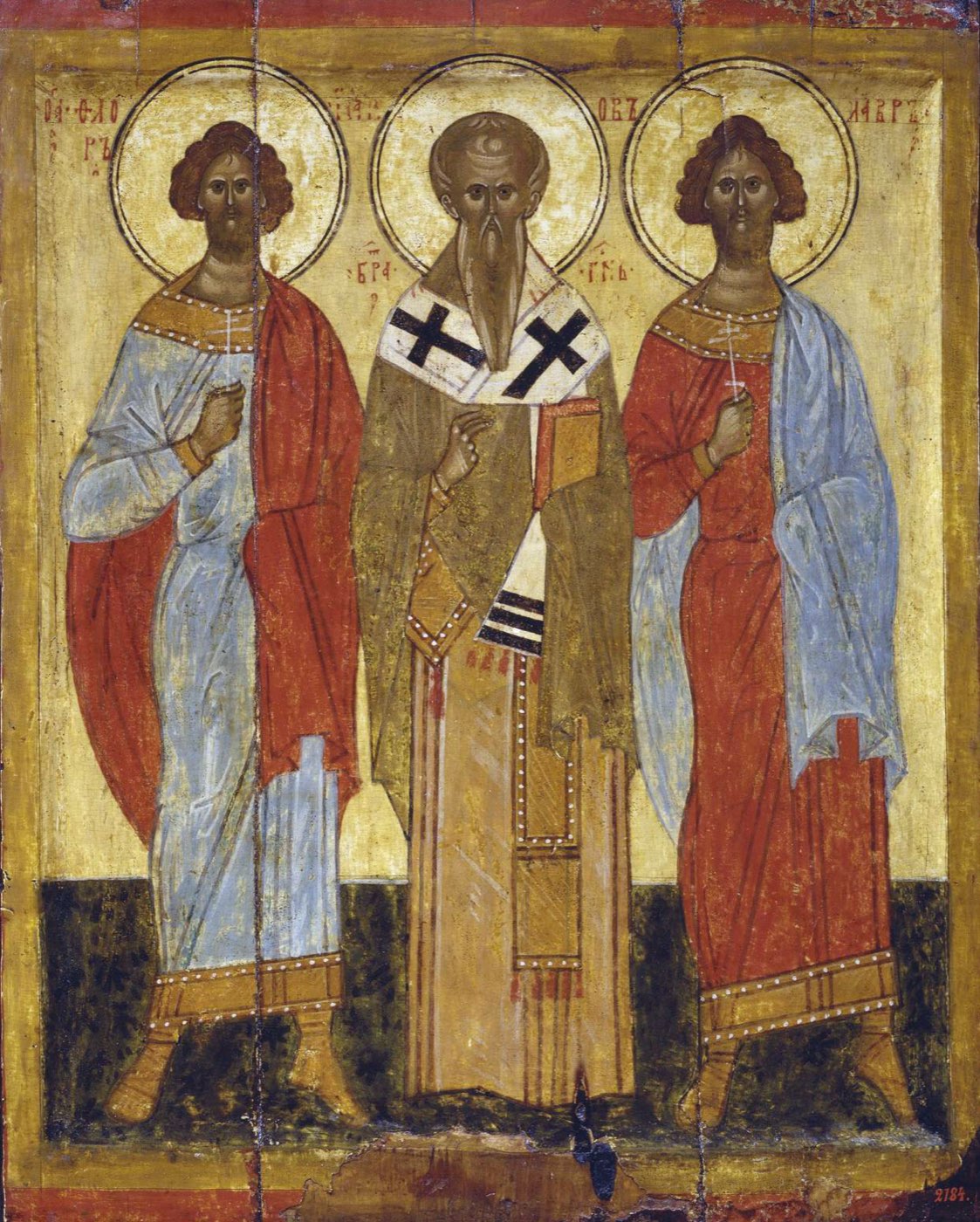
He grew up in the same Nazareth house and did not believe. The Gospels file James among the brothers who thought Jesus was out of his mind and taunted him to go make a name in Judea – “for not even his brothers believed in him” (Mark 3:21; John 7:3-5). What changed him is stated in five words in the church’s oldest creed: “then he appeared to James” (1 Corinthians 15:7). A private Easter appearance for the skeptical brother, and everything after follows from it.
He rose to lead the Jerusalem church – the “pillar” Paul consulted (Galatians 1:19; 2:9), the chairman whose verdict settled the Gentile question at the council: “we should not trouble those of the Gentiles who turn to God” (Acts 15:13-21), the elder statesman who received Paul’s final collection visit (Acts 21:18). History called him “James the Just” for his praying and his fairness; Josephus records his martyrdom by stoning in AD 62, a killing so unpopular it cost the high priest his office.
His letter opens with the family’s whole theology compressed into a title: “James, a servant of God and of the Lord Jesus Christ” – the brother claims no kinship, only service. What follows is the New Testament’s book of applied wisdom: trials and endurance, the tongue, partiality, “faith apart from works is dead,” the prayer of the righteous. The man who once doubted at close range spent his life insisting that believing must be visible.
In the New Testament
- The unbelieving brother (Mark 6:3; John 7:5)
- The resurrection appearance (1 Corinthians 15:7)
- Pillar and council chairman (Acts 15:13-21; Galatians 2:9)
- The letter of James