
Herodias and Salome
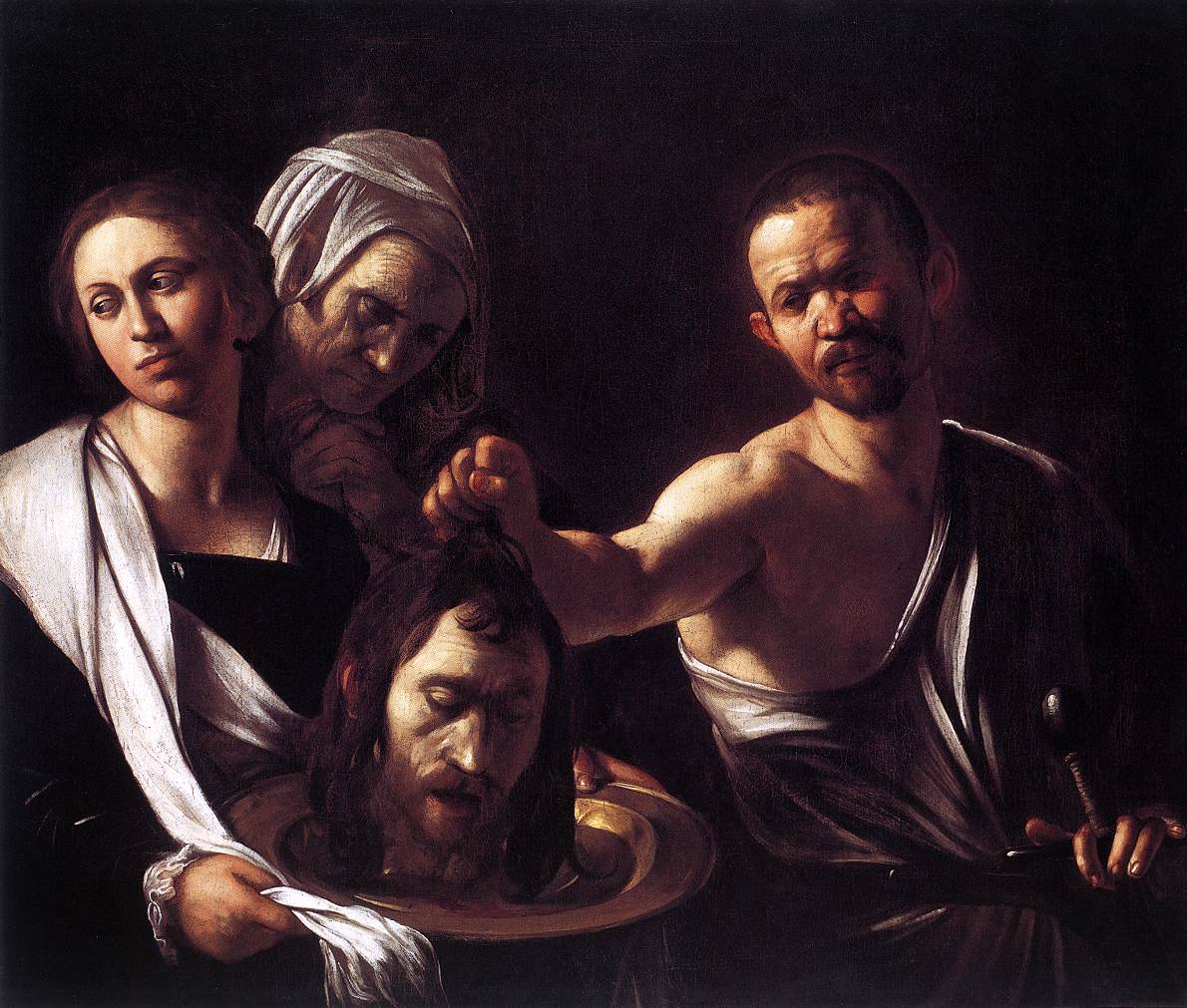
Herodias had traded one Herod for another – leaving Herod’s son Philip to marry his half-brother Antipas – and John the Baptist said publicly what everyone knew privately: “It is not lawful for you to have your brother’s wife” (Mark 6:18). Antipas imprisoned John; Herodias wanted him dead, “but she could not,” because her husband feared and half-revered the prophet. So she waited for her opportunity, and Mark tells us she recognized it when it came.
At Antipas’ birthday banquet, her daughter – unnamed in Scripture, called Salome by Josephus – danced, and the delighted, wine-warmed king swore an oath before his court: anything, up to half my kingdom. The girl went out with the question every child asks – “What shall I ask?” – and her mother had the answer loaded: “The head of John the Baptist.” Back she came with the demand made crueler by its garnish: “at once… on a platter” (Mark 6:21-25). Antipas was “exceedingly sorry” and did it anyway, and John’s head was handed to the girl, and the girl gave it to her mother.
The story is Scripture’s cold case study in how sin compounds: an unlawful marriage defended by an imprisonment, an imprisonment ended by an oath, an oath honored above a life. Righteousness imprisoned can still speak; that was the problem Herodias solved her way.
In the New Testament
- The grudge, the dance, and the beheading (Mark 6:17-29; Matthew 14:3-12)
Key Locations
- Machaerus Herod's clifftop fortress east of the Dead Sea, where John the Baptist was imprisoned and beheaded.