
Herod Agrippa I
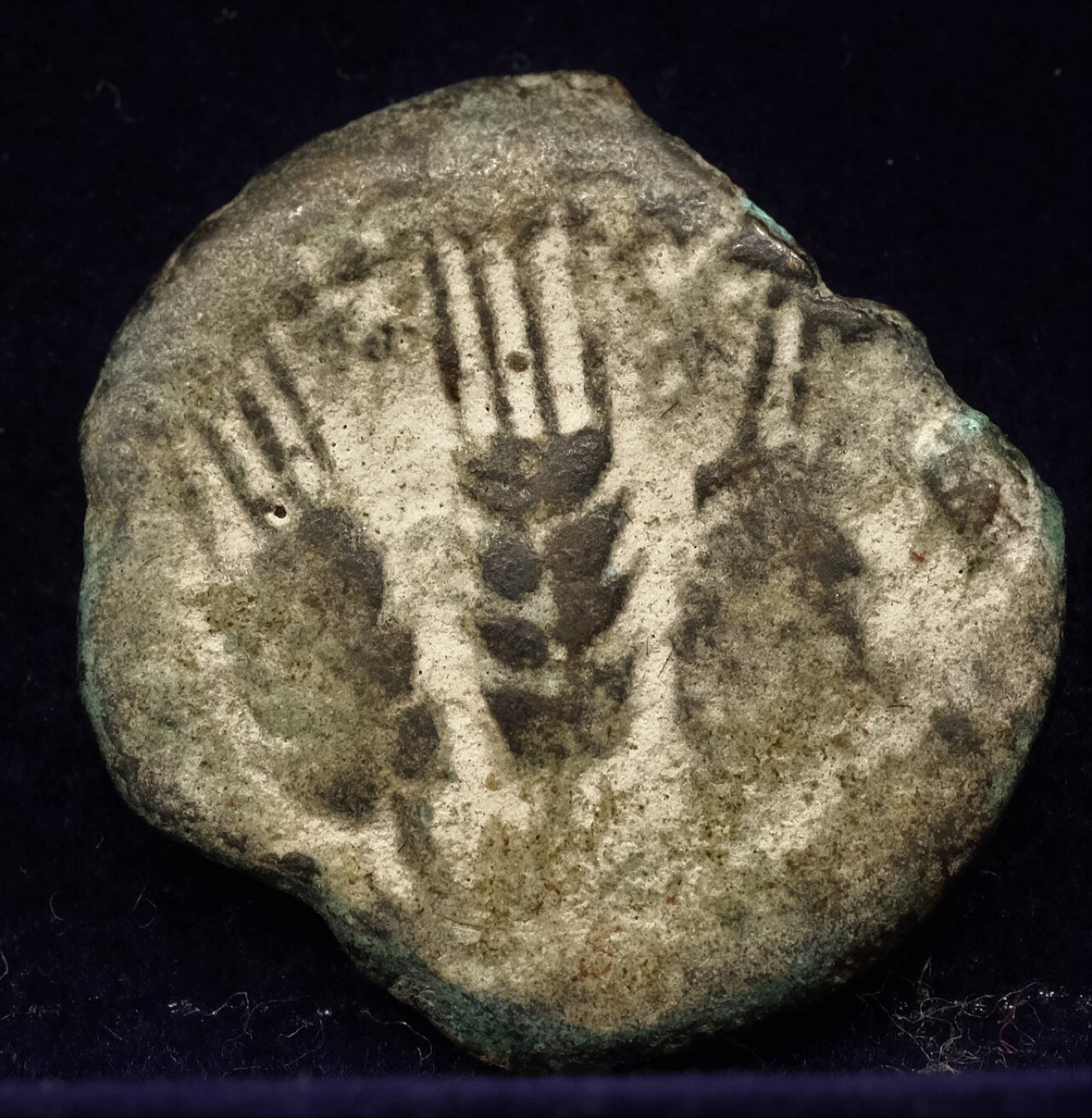
Grandson of Herod the Great, raised in Rome as a companion of future emperors, Agrippa parlayed friendship with Caligula and Claudius into the biggest Herodian portfolio since his grandfather: by AD 41 he ruled virtually the whole ancestral kingdom. At home he played the pious Jewish monarch with real skill – and found that persecuting the church polled well. “He killed James the brother of John with the sword, and when he saw that it pleased the Jews, he proceeded to arrest Peter also” (Acts 12:1-3).
Peter’s rescue by an angel on the eve of execution turned the king’s spectacle into farce – the guards were executed instead – and Luke’s next scene finishes the arc. At Caesarea, robed in silver (Josephus supplies the detail of the garment flashing in the morning sun), Agrippa accepted the crowd’s acclamation: “The voice of a god, and not of a man!” “Immediately an angel of the Lord struck him down, because he did not give God the glory, and he was eaten by worms and breathed his last” (Acts 12:20-23). Josephus independently records the same event – the owl-omen, the five days of agony – in AD 44.
Luke’s very next sentence is the epitaph that matters: “But the word of God increased and multiplied” (Acts 12:24). The king who fed on applause died; the message he tried to behead kept growing. His son, Agrippa II, would later hear that message from Paul in the same city.
In the New Testament
- The martyrdom of James; Peter’s arrest and escape (Acts 12:1-19)
- The oration and the judgment (Acts 12:20-24)
Key Locations
- Jerusalem The holy city -- David's capital, the temple's home, the stage of the crucifixion, resurrection, and Pentecost.
- Caesarea Maritima Herod's harbor city, Rome's capital in Judea -- home of Cornelius, Philip, and Paul's two-year imprisonment.