
Gamaliel
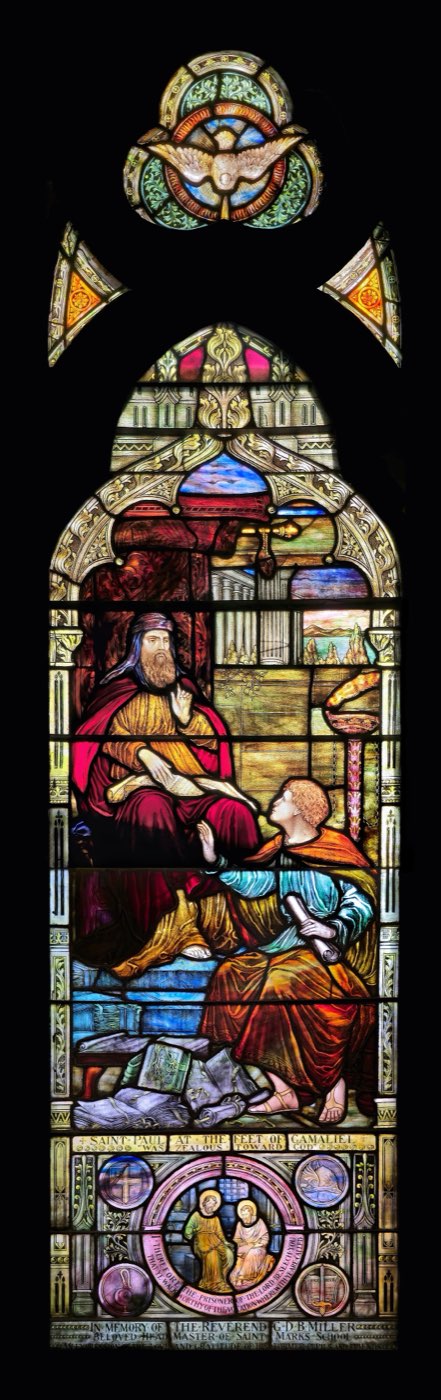
Gamaliel the Elder was the leading Pharisee of his generation – grandson (by tradition) of the great Hillel, “a teacher of the law held in honor by all the people” (Acts 5:34), remembered in the Mishnah with the epitaph that when he died, “the glory of the Torah ceased.” Luke shows him at the Sanhedrin’s most murderous moment, when the council, enraged by the apostles’ preaching, “were desirous to kill them.”
His counsel is one of Scripture’s classic speeches of prudence. Citing two failed messianic movements – Theudas and Judas the Galilean, whose followers scattered when their leaders died – he proposed a test with teeth: “keep away from these men and let them alone, for if this plan or this undertaking is of man, it will fail; but if it is of God, you will not be able to overthrow them. You might even be found opposing God!” (Acts 5:35-39). The council took his advice down a notch – they beat the apostles first – but the church survived its most dangerous early hour partly on a Pharisee’s caution.
His most famous legacy sat in his classroom: “I am a Jew… educated at the feet of Gamaliel according to the strict manner of the law of our fathers,” Paul told the Jerusalem mob (Acts 22:3). The teacher urged waiting to see whether the movement was of God; his student became the proof.
In the New Testament
- The counsel to the Sanhedrin (Acts 5:33-42)
- Paul’s teacher (Acts 22:3)
Key Locations
- Jerusalem The holy city -- David's capital, the temple's home, the stage of the crucifixion, resurrection, and Pentecost.
- The Temple in Jerusalem The center of Israel's worship, rebuilt on a massive scale by Herod the Great.