
Gallio
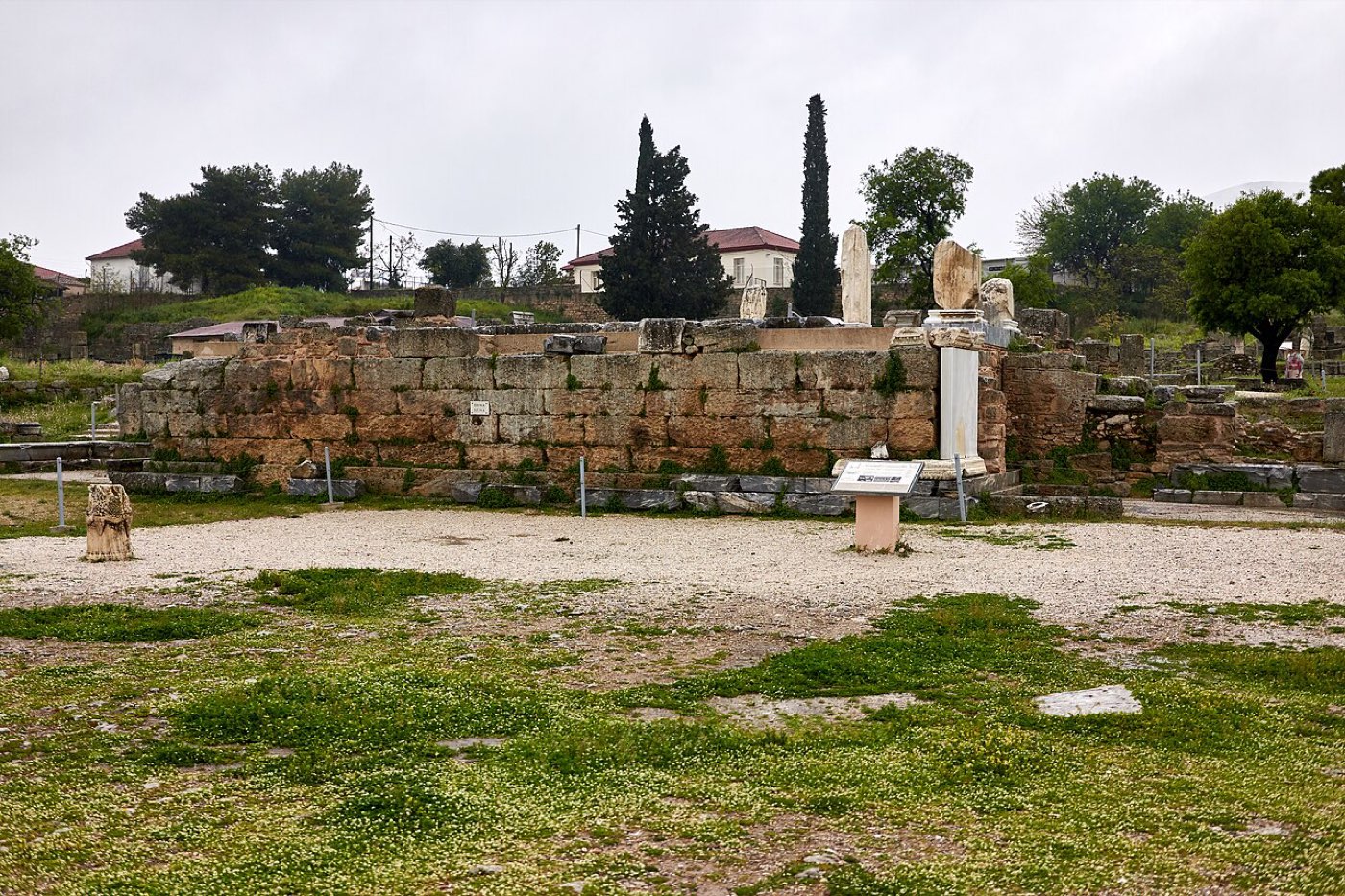
Lucius Junius Gallio was Roman aristocracy at its most polished – brother of the philosopher Seneca, who dedicated books to him and praised his charm. An inscription found at Delphi dates his proconsulship of Achaia to AD 51-52, making Gallio’s bench the sturdiest date-peg in all New Testament chronology: nearly every timeline of Paul’s life is calibrated to this man’s term of office.
The case itself took him minutes. Corinth’s synagogue leaders hauled Paul before the tribunal – the stone bema still stands in the forum – charging that he persuaded people “to worship God contrary to the law.” Gallio did not even let Paul open his mouth: “If it were a matter of wrongdoing or vicious crime… But since it is a matter of questions about words and names and your own law, see to it yourselves. I refuse to be a judge of these things. And he drove them from the tribunal” (Acts 18:12-16). When the crowd beat Sosthenes the synagogue ruler in front of the bench, “Gallio paid no attention to any of this.”
His indifference was providence’s shelter: a Roman proconsul – and Seneca’s brother, no less – had ruled Christianity an internal Jewish matter, outside criminal law. The precedent protected the mission for a decade, and Paul stayed in Corinth “many days longer.” God can use a judge’s engagement; that day he used a judge’s shrug.
In the New Testament
- The hearing before Gallio (Acts 18:12-17)
Key Locations
- Corinth The rich, rough port on the isthmus where Paul stayed eighteen months and wrote his hardest pastoral letters.